Vitamin D deficiency is more common in Pakistan than many people think, and a lot of adults don’t even know they have it. According to various studies, roughly 70–90% of the population might be deficient. You might be wondering why the numbers are so high. This may be due to limited sunlight exposure and inadequate dietary intake. Even if you eat well, you could still have vitamin D deficiency, which can leave you feeling tired and low on energy.
The solution? Supporting optimal vitamin D levels is not complicated. Simple lifestyle habits and vitamin D supplementation can make a big difference. For example, you should aim for at least 20 minutes of sunlight daily and include foods like fatty fish, egg yolk, and fortified dairy products in your diet. Alongside, a quality multivitamin supplement can make maintaining your vitamin D levels easier by helping bridge nutritional gaps effectively. But why does a monthly daily supplementation routine work better than random supplements? Let’s explore!
Why Vitamin D Matters More Than You Think
Vitamin D plays several important roles in your body, beyond bone health. For example, vitamin D helps your body absorb calcium properly, which is essential for strong bones and teeth. Other roles that vitamin D plays in your body are:
- Supporting immune function
- Maintaining muscle strength
- Promoting overall wellness
- Helping the body function at its best every day
When you have a vitamin D deficiency, your body may not perform at its best. Most people overlook low levels until they experience noticeable vitamin D deficiency symptoms.
Common Signs of Vitamin D Deficiency in Adults
Some of the common signs of vitamin D deficiency include:
- Tiredness and low energy levels
- Weakness of muscles
- Bone and joint issues
- Decreased immunity and getting sick more often
- Depression and anxiety in severe cases
To identify a vitamin D deficiency, a serum 25-hydroxyvitamin D [25(OH)D] blood test is performed. If your levels are significantly low, it is important to consult a doctor for the right treatment plan.
Once your vitamin D levels are tested, a structured supplementation routine, such as a monthly vitamin D dose combined with daily nutritional support, may help maintain consistent levels over time.
Why Random Supplements May Not Be Effective
You start taking vitamin D supplements and then forget about them. The problem lies in inconsistent supplementation, which leads to inadequate nutritional support. Vitamin D is not something you should take randomly and expect lasting benefits. For adults who need support, a better approach is to think in two steps:
- Targeted monthly support
- Daily maintenance
That combination is what makes the difference.
Why a Monthly Daily Supplement Plan Works Better
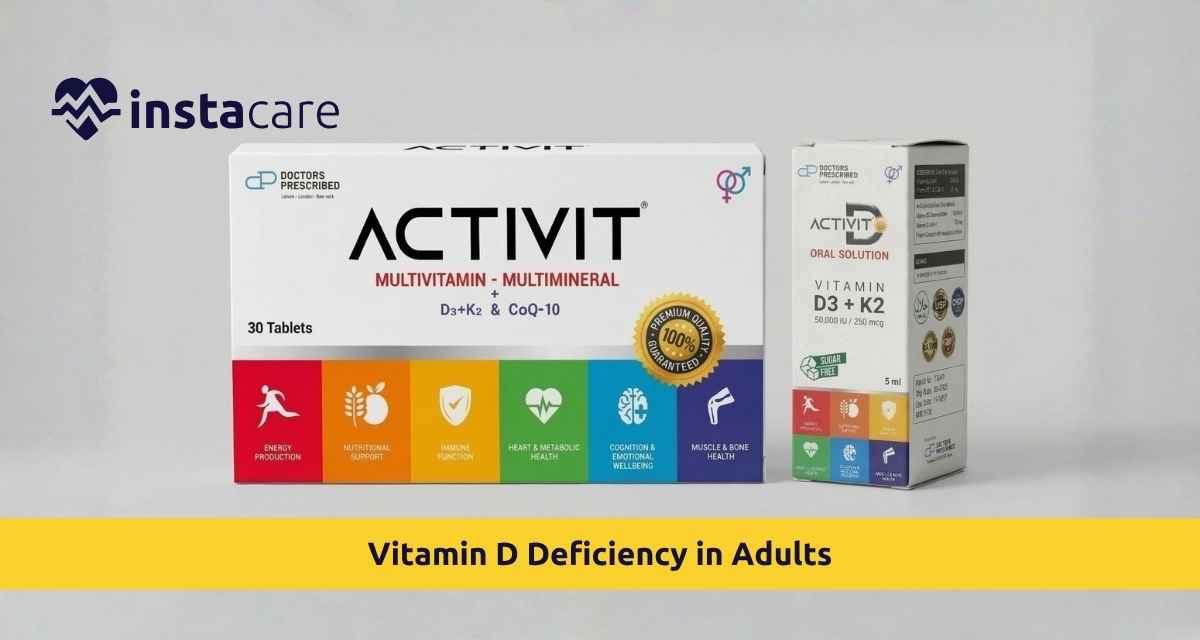
A monthly oral vitamin D supplement, combined with a daily multivitamin containing vitamin D3, can be an effective way to support healthy vitamin D levels. Some supplementation plans include a monthly vitamin D3 dose along with a daily multivitamin that provides vitamin D and other essential nutrients to support overall wellness. Instead of depending only on daily vitamin D tablets, which many people forget, or only taking a high dose occasionally without any follow-up, this approach gives you both:
- A stronger monthly starting point
- Steady daily nutritional support throughout the month
Think of it this way: the monthly dose helps address low vitamin D levels, while the daily multivitamin supports consistency throughout the month.
Monthly Vitamin D Support
A monthly vitamin D oral dose can be an easy way to support vitamin D levels. It typically provides:
- Vitamin D3 (Cholecalciferol) a highly bioavailable form of vitamin D that supports calcium absorption
- Vitamin K2 (MK-7) which helps direct calcium to the bones
⚠ Note: High-dose vitamin D supplementation (such as monthly doses) should only be taken under medical supervision.
This approach provides a structured starting point instead of relying on irregular supplementation.
Daily Multivitamin Support
Monthly support is helpful, but consistency matters even more. After a monthly dose, daily multivitamin supplementation helps maintain nutritional balance. A good multivitamin provides vitamin D along with essential vitamins and minerals that support overall health. This is important because modern diets often result in multiple nutritional gaps, not just one deficiency. This daily step helps maintain consistency, which is key for long-term vitamin D support.
Who Can Benefit from Vitamin D Supplements?
You can benefit from vitamin D supplements if you are:
- Adults with low sun exposure
- Office workers who spend most of the day indoors
- People with busy schedules who want a simple wellness plan
- Adults with dietary limitations
- Adults focused on bone health
- Anyone who wants a more consistent approach instead of random supplement use
Final Thoughts
The biggest challenge for adults is not just low vitamin D levels, it’s consistency and choosing the right supplementation approach. A structured monthly and daily supplement routine can be more practical than random supplementation. However, individual needs may vary, so it is always recommended to consult a healthcare professional before starting any supplementation plan.