Food is not merely fuel, it is important to health, vitality and psychological well-being in general. A nutritious diet with appropriate amounts of nutrients contributes towards growth, immunity and well-being in the long term. Nonetheless, when there is a myriad of diet trends and contradicting information on the internet, it can be difficult to know what really a balanced diet is.
Balanced diet does not mean that some foods and fad exercise are restricted. Instead, it is devoted to diversity, balance, and healthy choices that may please your body every day. With a balanced diet plan in a day, you can be energetic, prevent chronic diseases and healthy lifestyle.
What Is a Balanced Diet?
The diet balance is a combination of all the required nutrients in the right ratios. Components of a balanced diet are carbohydrates, fat, proteins, water, minerals, fibres and Vitamins. Each of these components has its own functions: carbohydrates are the sources of energy, proteins are tissues builders and healing factors, and fats are the adherents of the brain and hormones. Vitamins and minerals regulate the body processes, fibre helps in the digestion process and water keeps the body hydrated.
A Balanced diet chart can be used to balance the amount of food and cover each group of food. It is adaptable, long-term and can be adapted to all ages and lifestyles of people.
Key Components of a Balanced Diet
Carbohydrates:
- The body gets the main energy source.
- Whole grains that contain slow-release energy and which aid in maintaining the blood sugar level includes oats, brown rice, quinoa, and whole wheat.
Proteins:
- Reasoned to build and repair muscles, skin and organs.
- Such sources include lean meats, fish, eggs, dairy, legumes and nuts.
Healthy Fats:
- Hormone production and nutrient intake are very essential in the way the brain works.
- Include olive oil, avocado, nuts and seeds and fatty fish that are good sources of omega-3 fatty acids.
Vitamins and Minerals:
- Improve immunity, bone, metabolic and total body activity.
- A lot of fruits, vegetables, dairy and whole grains.
Fiber:
- Promotes intestinal and good digestion.
- Assistance in cholesterol and healthy weight regulation.
Water:
- Important in the maintenance of hydration, nutrient transportation, temperature and organ activities.
- Do your best to drink 8-10 glasses of water daily.
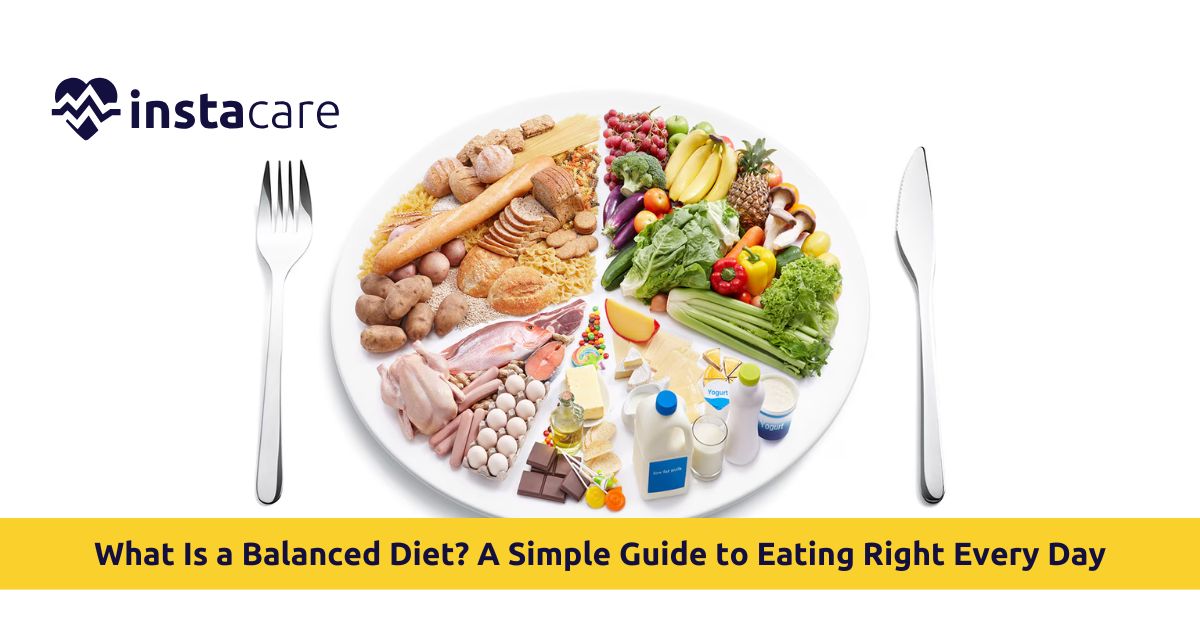
Food Groups in a Balanced Diet
The balanced diet is composed of the following of all major groups foods:
- Grains: Whole grains also provide energy and fiber and also the essential B vitamins. Examples: oats, whole wheat bread, brown rice.
- Fruits and Vegetables: These are products that are rich in vitamins, minerals and antioxidants that reduce the risk of contracting chronic diseases and boost immunity.
- Proteins: Lean meat, fish, eggs, legumes and dairy are involved in building up of muscles and repair of tissues.
- Healthy Fats: Nuts, seeds, avocados, olive oil and fatty fish aids in maintaining the brain and the heart healthy.
- Dairy or Fortified Substitutes: This is rich in vitamin D and calcium to make the bones strong.
Consumption of all types of foods will ensure that the body is well nourished in terms of growth, energy and repair.
Read More: Benefits of Diet Plan for Ramazan
Importance of a Balanced Diet
So the advantages of taking a Daily balanced diet plan are numerous:
- Eats Healthy: Eats that are in the right amounts and proportions of the nutrients will prevent overeating.
- Enhances Immunity: Vitamins and minerals in fruits, vegetables and proteins increase the immunity.
- Gets the Brain Going: Healthy fats and proteins are beneficial in enhancing memory, attention and thinking skills.
- Reduces the threat of chronic Diseases: It prevents heart disease, diabetes, obesity, and certain cancers.
- Smart Gut: Whole grain food regulates bowel movement and maintains a healthy gut.
- Improves Mood and Sleep: Healthy diets have been linked with a high mood and sleep pattern.
Balanced diet for adults is in terms of long-term health whereas in Balanced diet for children it assists in growth and development of the brain. Beneficial are the foods that contain high levels of nutrients but contain fewer calories to enable the elderly to regulate their energy levels without developing deficiencies.
What Happens When Your Diet Is Not Balanced?
Poor nutrition can result in a list of health issues:
- Deficiency of nutrients: Vitamin and mineral deficit might lead to anemia, weak bones, loss of hair and hormonal disorders.
- Weight Problems: Unhealthy foods have many calories which could on the one hand lead to obesity, and on the other hand lead to under nutrition and fatigue as well as muscle loss.
- Weakened Immunity Lack of protein, vitamins and mineral may expose the body to infections.
- Gastrointestinal Issues: Low fibre intakes can cause constipation, intestinal unhealthiest and bloating.
- Chronic Diseases: Processed food, high sugar, unhealthy fats pose great probability of risking heart diseases, diabetes and other forms of cancers.
Balanced Diet for Different Age Groups
- Children: Require high in nutrient foods, to boost development, bone development, and brain functioning. Note down proteins, calcium, iron and vitamins.
- Adults: The energy, support of metabolism, and prevention of chronic diseases are the priorities of a healthy diet of adults. Consume additional fiber and lean protein products as well as healthy fats.
- Older Adults: Elderly people demand fewer calories and nutrients of high level. One should also pay attention to such groups of food as calcium, vitamin D, protein, and antioxidant-containing foods that serve to keep the bones strong and prevent age-related deficiencies.
- Pregnant Women: Fetes requires balanced diet in its growth. Enrich the child and the health of the mother with protein, iron, calcium and folate and omega-3 fatty acids.
Tips to Maintain a Balanced Diet Daily
Practical ways of eating a balance diet:
- Planning your meals in advance gets rid of bad choices.
- It is always good to have an array of all-coloured vegetables and fruits on the table.
- Always take water, herbal teas or water infused.
- Restrict the number of foods consumed.
- Limit processed products, sweet juices and snacks which contain high amounts of fats.
- Insert healthy snacks such as nuts, fruits or yogurt.
- You are supposed to eat when you feel hungry and not because you are used to eating.
Lifestyle Healthy Eating Habits:
- Home cook as much as you can.
- In case you have not eaten breakfast, do not waste the energy and concentration.
- Do physical exercises to supplement the healthy diet.
Balanced Diet for Weight Management
A Balanced diet for weight loss includes high-nutrient foods and regulated caloric value. Whole grains, low fat protein source, vegetables, fruits, and fats can be useful in keeping one full, reducing desires, and normalizing blood sugar levels. It is a healthy method of losing weight and preserving lean muscle mass over the extreme diets and is a sustainable solution.
Common Myths About a Balanced Diet
- Myth: Healthy food is dull
- Fact: The dishes can be tasty and taste good using herbs and spices and by cooking them properly.
- Myth: Carbohydrates are bad
- Fact: Whole carbohydrates are needed to give energy and give good health.
- Myth: Supplements substitute food
- Fact: Whole foods are foods that contain the nutrients in an understandable form that is not synthetic and that is most readily absorbed.
- Myth: Healthy eating is costly
- Fact: Fruits, vegetables, eggs, lentils and grains are affordable and healthy during season.
Conclusion
Properly balanced diet is the origin of health and well-being on the long term. It provides nutrients needed in the body to make it gain energy, growth, immunity and clarity of mind. A balanced diet may ensure prevention of chronic diseases, maintaining within a healthy range of weights, and ensuring that your body and brain can work to their best capacity by having all the large food groups in their respective ratios..
A good balance of dieting on a daily basis includes eating well, budgeting time and considering the needs of your body, among other factors. Remember that it has nothing to do with strictness or perfection, but with sameness, variety and moderation. By adapting the balanced nutrition, you will be able to ensure your body that special support, enhance the quality of your life, and possess the sustainable method with Balanced diet for a healthy lifestyle.
Please book an appointment with the best Nutritionist in Lahore, Karachi, Islamabad and all major cities of Pakistan through Instacare, or call our helpline 03171777509 to find a certified doctor for your illness.
Disclamer
this is test disclamer