What Are Whiteheads?
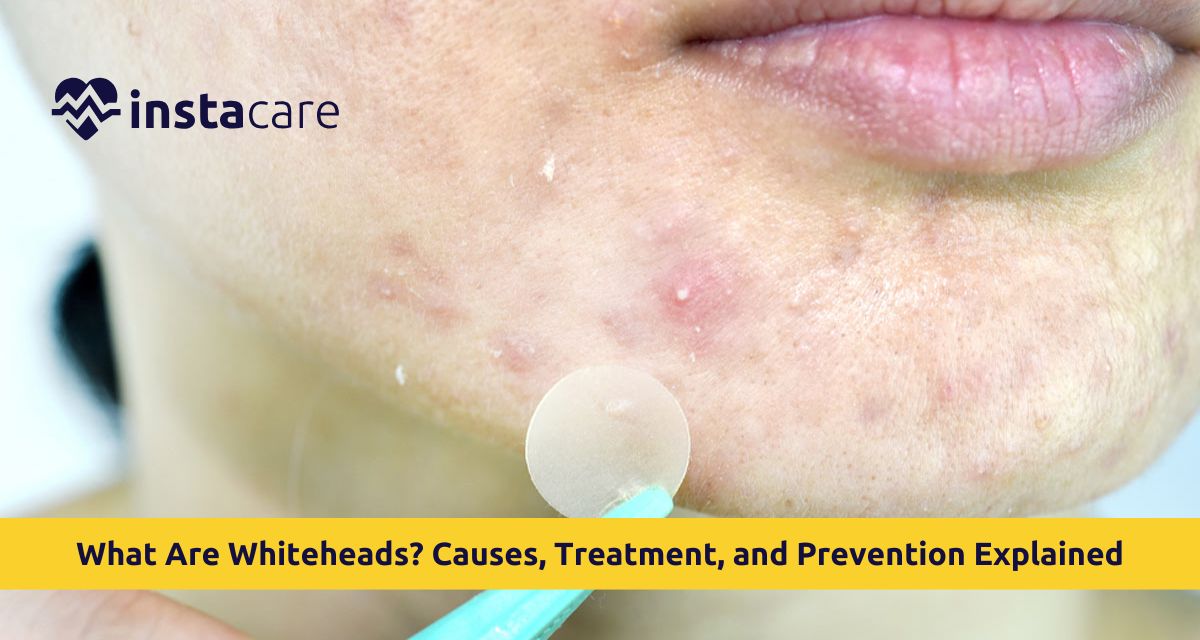
Whiteheads are a kind of acne called comedonal acne. These develop if pores get clogged due to extra oil, also known as sebum, alongside dead skin and germs. In contrast to blackheads, they stay shut on top, keeping buildup trapped below. Because of this, they look pale or match the tone of your skin. These spots don’t swell much, so they rarely hurt or turn red, unless disturbed. Pimples often show up on oily parts such as the nose, chin, or forehead, commonly referred to as whiteheads on face, because those areas make more sebum.
Causes of Whiteheads
Finding out why whiteheads appear helps control and stop them. Various reasons can combine, blocking skin pores and causing spots. Common causes include:
- Too much sebum occurs mainly in oily or mixed skin types
- Buildup of old skin cells
- Hormone shifts at puberty, also during periods or when stressed
- Use of comedogenic skincare or makeup products
- Poor cleansing habits
- Environmental contamination plus dampness
If pores get blocked, buildup inside forms clogged pores whiteheads, these show up as small bumps on the surface. While blockage stays trapped, it becomes noticeable due to swelling under the skin layer.
Common Areas Where Whiteheads Appear
Whiteheads usually appear where oil glands are more densely packed. Typical areas include:
- Small white bumps appear on the bridge of the nose, often near edges or at the very end, commonly known as whiteheads on nose
- Small white bumps under the skin, usually seen on the chin due to shifting hormone levels, referred to as whiteheads on chin
- Forehead and jawline
- Cheeks
- Now and then across the chest, also on shoulders, sometimes extending to the back
The location of whiteheads may suggest what’s behind them, hormonal shifts or leftover residue from skincare items.
Whiteheads vs Blackheads
While both involve comedonal acne, whiteheads appear differently from blackheads due to how they form. Whiteheads happen if a pore stays shut, locking oil plus waste under the skin. Blackheads appear when the opening is exposed, air reaches the gunk inside, causing it to darken. Key differences include:
- Whiteheads form when pores are blocked, whereas blackheads occur if the pore stays open
- Whiteheads look pale or match your skin tone
- Blackheads look dark because they react with air
- Whiteheads can be tricky to remove without causing harm
Knowing this distinction supports suitable ways for whiteheads treatment.
How to Treat Whiteheads?
Treating whiteheads takes time, steady effort along with proper skincare products. The aim? Clearing blocked pores while minimizing excess oil plus encouraging natural skin renewal. Effective how to get rid of whiteheads strategies include:
- Gentle cleaning each morning, also at night
- Choose skin-friendly items that won’t clog pores
- Incorporating chemical exfoliants
- Avoid rough scrubs, these can upset your skin’s balance
Topical solutions help clear whiteheads removal effectively, if applied properly.
Read More: What To Do About Blackheads On Breasts?
Home Care and Skincare Tips
Daily routines affect how often whiteheads appear. Small changes may help reduce them. Helpful tips include:
- Clean your face using a gentle wash that matches skin’s natural balance
- Exfoliate 2–3 times weekly to remove dead skin cells
- Try treatments with salicylic acid for whiteheads, this ingredient gets into pores while breaking down excess oil
- Use oil-free moisturisers to support your skin’s protective layer
- Clean off makeup completely before bed
Persistent skincare at home aids lasting management of whiteheads while reducing chances of return.
How to Prevent Whiteheads
Catching issues early beats fixing them later, for acne, that’s key. A steady routine cuts down flare-ups over time. Effective whiteheads prevention strategies include:
- Wash your skin regularly, yet avoid doing it too much
- Avoid thick or oily skin items
- Cleaning pillowcases often, also handling makeup brushes routinely
- Managing stress levels
- Maintaining a balanced diet; staying properly hydrated
Regular care helps keep pores clear while improving general skin condition.
When to See a Dermatologist?
Now and then, whiteheads happen, but if they stick around or spread, it’s best to see a specialist. See a skin doctor when:
- Whiteheads often resist standard medications
- Outbreaks intensify or turn red due to irritation
- Acne results in discolored spots or scarring
- Whiteheads can lower confidence or impact mood
A skin doctor might suggest special creams, clinic sessions, or personalized routines to help your skin improve.
Conclusion
Whiteheads often appear, yet they can be handled well with proper awareness plus routine attention. Knowing what triggers them, alongside using suitable remedies while sticking to smart daily routines, helps many cut down flare-ups. For those facing rare spots or frequent ones alike, steady effort combined with mild practices leads to better-looking skin eventually.
Please book an appointment with the best Dermatologist in Lahore, Karachi, Islamabad and all major cities of Pakistan through Instacare, or call our helpline 03171777509 to find a certified doctor for your illness.