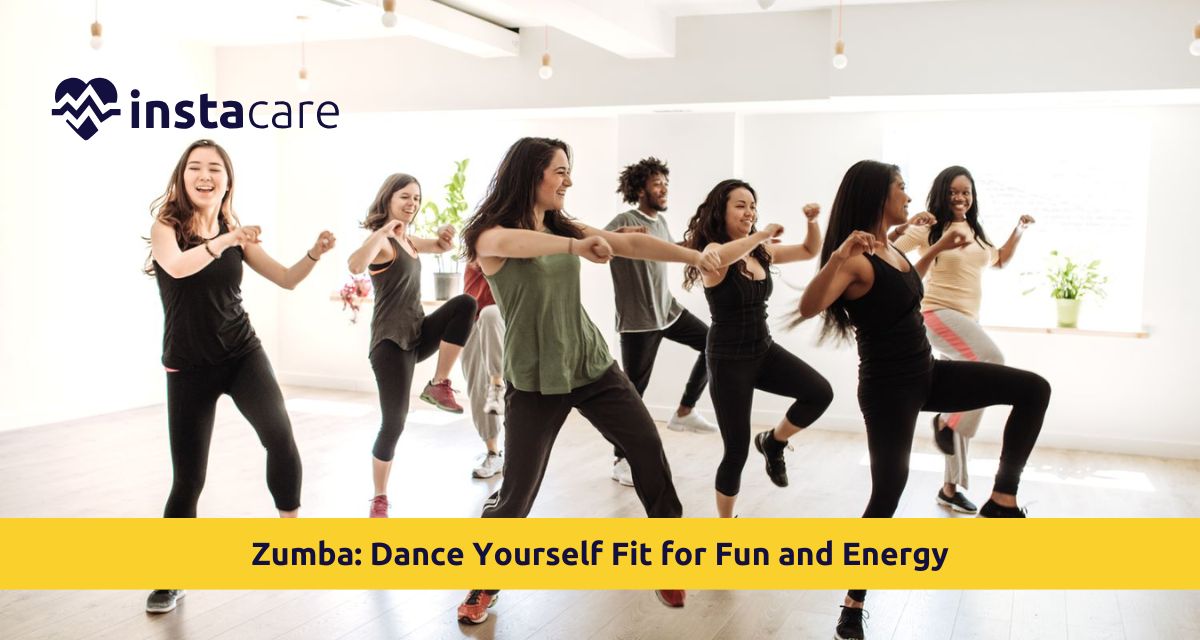
What started out as a spontaneous dance lesson by Alberto "Beto" Pérez has turned into a bonafide worldwide cultural phenomenon across age, fitness, and dancing skill. Zumba's magic lies in the ability to conceal a tough workout beneath the guise of a party, with dancers unaware of getting fit as they burn up calories and tone their muscles.
What is Zumba?
Zumba is an aerobic fitness class with international and Latin music and energetic dance moves. Having been developed in the 1990s, the exercise program has brought on board the salsa, merengue, cumbia, reggaeton, and other Zumba dance styles into a easy-to-perform workout program more akin to partying than exercising.
The roots of Zumba are four broad principles: technique, music, choreography, and leadership. In contrast with the conventional dance courses with an emphasis on flawless execution, Zumba emphasizes movement and fun over perfection. Zumba choreography is choreographed in sync with the beat and energy of the music with steps programmed to engage several muscle groups without compromising the rhythm and spirit of Latin dance.
Each 45-60 minutes class includes warm-up, complete workout, and cool-down. The Zumba music playlist incorporates diverse Latin American rhythms and others from other regions to acquaint students with rich musical heritage and provide a great workout.
Read More: 9 Best Ways To Reduce Belly Fat
What Makes Zumba Unique
Zumba is unique due to its cultural validity with global appeal. Unlike intimidating health club atmospheres, Zumba offers an embracing setting where error is tolerated as a learning experience. The party-like atmosphere offers an opportunity to unwind, put aside gym fear, and gain confidence.
The program encourages a sense of belonging naturally. The shared experience of new steps, laughing at mistakes, and basking in accomplishment is creating relationships more so than in a dance studio. Exercise programs most frequently emphasize benefit to the body, but Zumba also accrues emotional, mental, and social benefit through the intervention of music, movement, and social connection.
Types of Zumba Classes
- Zumba Fitness (Original): This energetic music mix with easy steps in this traditional format is perfect for instructing beginning Zumba steps for beginners through intermediate-level participants.
- Zumba Gold: Created specifically as Zumba for seniors and individuals with physical disabilities, the format uses low-impact steps without sacrificing the entertainment element, with a focus on balance, flexibility, and light cardiovascular conditioning.
- Zumba Toning: Incorporates light weights to offer resistance training for dance moves, blending muscle conditioning into the groovy rhythmic workout.
- Aqua Zumba: Taking the party to the swimming pool, this variation uses water resistance training with no added strain on the joints, allowing movement for those who have joint issues.
- Strong by Zumba: This version combines high-intensity interval training with music that incorporates bodyweight training and strength exercise without sacrificing the energetic frequency of Zumba.
- Virtual Choices: Availability of Zumba online classes has exposed this exercise to in-home trainers with room for flexibility depending on the busy schedule and maintaining contact with the instructor.
Health & Fitness Benefits of Zumba
Cardiovascular and Weight Loss Benefits
Zumba rhythmic movement is excellent cardiovascular conditioning. Caloric burn for Zumba calories burned range 400-600 per session depending on intensity and weight of the participants. Zumba for weight loss also promotes great results since it comprises strength training and cardio exercise using a lot of muscles simultaneously and boosting metabolism.
Physical Improvements
It requires complex dance movement to challenge proprioception, balance, and coordination, enhancing daily function and reducing the risk of falls. Whole-body movement facilitates flexibility and joint mobility as a secondary effect of dynamic stretching from the exercises.
Mental and Social Wellness
The Zumba health benefits extend further than physical aspects. Habitual classes reduce stress hormones and raise endorphins, contributing to improved mood and reduced anxiety. The cognitive exercise of mastering new choreography enhances mental sharpness and memory. Social contact provides social support and contact that reduces isolation and increases body acceptance and self-esteem.
Who Can Do Zumba
Zumba introduces new starters in a straightforward way with basic steps that can be purchased in stages. Adjustments and direction by the teachers in a pleasant competition-free atmosphere where new starters are allowed to move at their own pace are provided.
Zumba Gold and modified classes provide the exercise to older adults who seek fun exercise experiences. Modified adaptations preserve joint integrity with a substantial health advantage. The majority of styles provide physical disabilities access through chair-based formats and modified choreography.
Volunteers with exercise training report Zumba as demanding and empowering, whereas weight watchers appreciate the enjoyment and functionality that guarantees long-term success.
Zumba vs. Other Exercise
Zumba vs Aerobics
Comparison of Zumba vs aerobics reveals some fundamental differences. Aerobics is based on repetition, choreographed dance for cardiovascular health. Zumba incorporates cultural dance, choreography diversity, and festive atmosphere that some people enjoy more. Aerobics has high cardiovascular improvement and readability but offers diversity in cultures, imagination, and bonding.
Zumba vs Other Exercise Options
As compared to technical perfection-goal-oriented formal training for dance, Zumba provides movement, fun, and health success. Body training provides quantifiable success without social and fun elements that provide success for Zumba. Running and cycling are excellent cardiovascular advantages but dull, while diversity of choreography and socializing in Zumba provide mental challenge.
Getting Started
Trained Zumba instructor training ensures effective, healthy, and enjoyable lessons. Professionally trained instructors are provided with comprehensive education in music interpretation, fundamentals of choreography, class planning, and safety procedures. When selecting classes, make sure that the teachers are certified and that they create inviting and supportive classes.
Beginners must get in early, wear loose athletic attire and support shoes. Dance along with the music, not necessarily perfectly at the start—nobody is perfect to start. Perfection isn't as important as doing it consistently, with most people finding 2-3 times a week to be of greatest use for an effective Zumba fitness routine.
Conclusion
Zumba is a movement fitness with exercise not always having to be boring and intimidating. By uniting cultural celebration with responsible exercise practice, Zumba offers a healthy form of fitness to address physical, mental, and social wellness requirements.
The brilliance of this exercise dance fitness program is that it's adaptable and inclusive. You're a new exerciser, a maturing adult seeking enjoyment to begin exercising, or a competitive athlete in search of something different, Zumba's got it for you. The Zumba benefits far surpass calorie burn per session, building members' self-esteem, cross-cultural awareness, social connections, and positive exercise relationships.
Please book an appointment with the best Physiotherapist in Lahore, Karachi, Islamabad, and all major cities of Pakistan through InstaCare, or call our helpline at 03171777509 to find the verified doctor for your disease.