Achieving balance within bodily functions often depends on a single overlooked element, magnesium plays that role quietly. Through more than three hundred processes, it supports tasks like converting food into energy while strengthening bones over time. In many developed nations, close to fifty percent of grown individuals lack sufficient levels, which may lead to persistent issues down the line. Awareness of its contributions, followed by mindful consumption, tends to result in steadier long-term well-being.
What is Magnesium?
Fourth on the list of minerals inside humans stands magnesium, active in countless enzyme-driven tasks. Production does not happen within the organism; outside sources like food or added forms fill the need. Stored mostly in bone, muscle, and non-rigid tissues, it supports signals along nerves, movement in muscles, steady heartbeat, defense mechanisms, and skeletal strength. Balance is managed internally, though present-day eating habits and daily routines frequently fall short of supplying enough.
Various Benefits of Magnesium
Boosted Energy Creation and Body Processes
At the smallest building blocks of life, magnesium supports a compound called ATP, which fuels every cell. When levels fall short, the body struggles to make energy efficiently. Tiredness lingers; movement feels heavier. Efficiency drops when this element is missing.
- Activates ATP for cellular energy
- Supports mitochondrial function
- Enhances metabolic efficiency
- Reduces chronic fatigue symptoms
Heart Health and Blood Pressure Improvement
Heart health relies heavily on magnesium, which supports steady heartbeat patterns while influencing blood pressure control. This nutrient allows blood vessels to ease tension, promoting better flow of blood throughout the body. Research repeatedly links sufficient consumption with lower chances of developing heart-related conditions.
- Heart rhythm is balanced through natural processes
- Lowers blood pressure in hypertensive individuals
- Reduces risk of cardiovascular disease
- Prevents arterial calcification
Better Sleep and Less Stress
It is widely recognized that magnesium health benefits include supporting calmness through actions on nerve function. With influence over brain chemicals tied to rest, it helps ease mental tension. When taken as a supplement, changes in sleep depth may occur alongside shifts in how pressure is handled. This mineral adjusts signals involved in alertness, leading some to experience quieter nights.
Stronger Bones and Teeth
Though calcium often takes center stage in discussions about strong bones, magnesium holds just as critical a role. From early development onward, one key function of this element involves supporting how calcium moves into tissues. Vitamin D cannot perform its tasks without adequate levels present. Processes that build bone rely heavily on consistent availability of this nutrient. About six out of every ten magnesium units in the human body are stored within the skeletal system.
- Calcium uptake sees enhancement through better processing within the body
- Vitamin D becomes active to support strong bones
- Increases bone mineral density
- Reduces osteoporosis risk
Headache and Migraine Relief
When it comes to migraines, magnesium for migraines plays a notable role in easing symptoms and preventing episodes. Studies show many individuals experiencing these headaches carry insufficient amounts of the mineral. Boosting intake may lead to fewer occurrences and milder discomfort over time. This effect arises because the nutrient supports blood vessel relaxation while helping balance brain signaling pathways.
- Achieves a drop in migraine occurrence, reaching 41%
- Decreases headache intensity and duration
- Prevents tension headaches
- Regulates pain-related neurotransmitters
Read More: How Magnesium Maintains Your Healthy Heart Rhythm
Blood Sugar Control and Preventing Diabetes
Glucose metabolism relies heavily on magnesium, just as insulin sensitivity does. Into cells goes glucose, guided by insulin with assistance from this mineral, which also maintains stable blood sugar. Studies link greater dietary magnesium to lower chances of developing type 2 diabetes; without enough, the body struggles to respond to insulin properly.
Muscle Function and Exercise Performance
For athletes and those physically active, having enough magnesium makes a clear difference. When muscles work, this nutrient helps them tighten then release properly. Cramps may occur less often when levels are sufficient. Recovery after physical effort improves with consistent intake. During activity, absorbing magnesium supports endurance and reduces strain on tissues.
Mental Health and Mood Support
Scientists now see a clear role for magnesium in brain function. This element helps manage chemicals such as serotonin and dopamine by adjusting how the body reacts to pressure. When people consume enough of it, signs of worry and low mood tend to lessen. A lack of magnesium, however, often appears alongside emotional imbalances.
Signs of Magnesium Deficiency
Ahead of deeper complications, spotting magnesium deficiency proves useful. Muscle twitches or tightness, often in lower limbs, may appear first. Tiredness that continues after rest points toward imbalance. Heart rhythm changes, such as extra beats, signal internal shifts. Mood disturbances like unease or frustration can emerge. Sleep disruption becomes noticeable without clear cause.
Caution signals needing focus:
- Chronic muscle twitching or tremors
- Numbness and tingling in extremities
- Severe fatigue and weakness
- Mood changes and mental fog
- High blood pressure
- Worsening of premenstrual symptoms observed among females
Best Food Sources of Magnesium
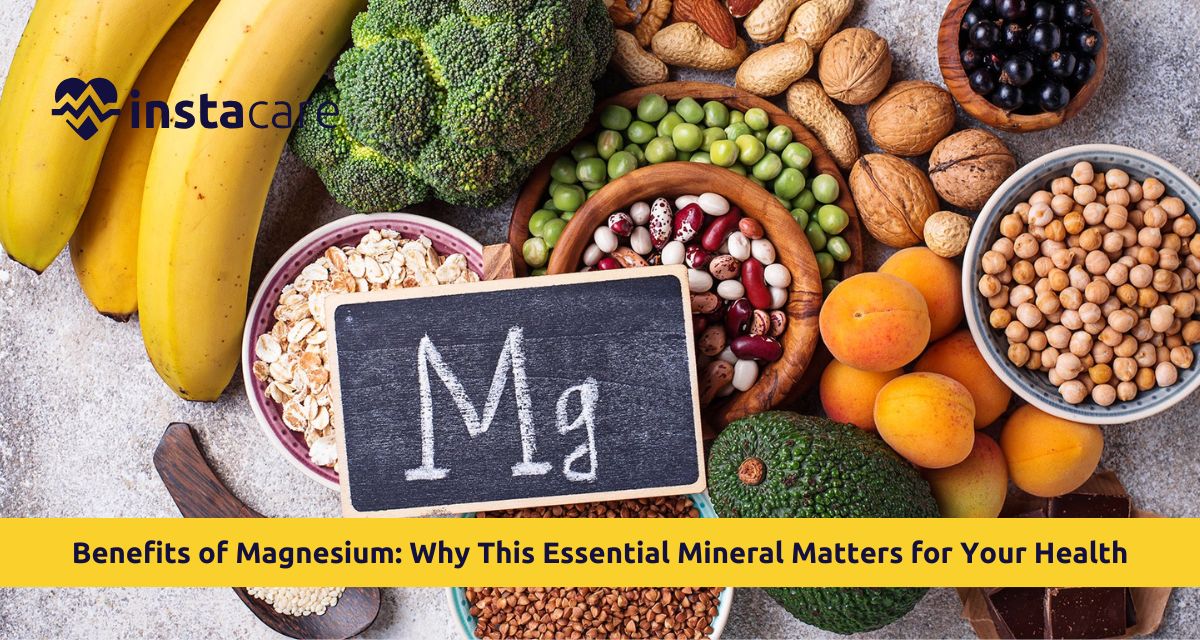
From food comes the most effective way to absorb magnesium, paired naturally with supporting nutrients. Among vegetables, dark greens stand out, spinach and Swiss chard deliver strong portions each time they are eaten. Instead of supplements, many choose nuts and seeds; pumpkin seeds, almonds, cashews bring not only high levels but also beneficial oils.
Top magnesium rich foods include:
- Each ounce of pumpkin seeds contains 150 milligrams
- Spinach (157mg per cooked cup)
- Black beans (120mg per cup)
- Dark chocolate (64mg per ounce)
- Avocados (58mg per medium fruit)
- Salmon (53mg per serving)
- Bananas (32mg per medium fruit)
Despite dietary challenges, whole grains bring notable contributions. Legumes follow closely, delivering substantial support through regular intake. Fatty fish enter the picture with a distinct profile of helpful elements. Dark chocolate rounds out the group, surprisingly rich despite its reputation. When meals fall short, magnesium supplements stand as a viable path forward. Yet magnesium absorption favors natural foods, where complexity enhances uptake.
Conclusion
A full picture of wellness often overlooks one key element, magnesium. Its role spans energy creation, balanced cardiac function, and even easing migraine episodes. Stronger bones also link back to consistent supply levels. Attention shifts once signs of low magnesium appear. Choices then form around magnesium rich foods or trusted supplemental forms. Risks remain rare if usage aligns with bodily needs, though magnesium side effects can occur with overuse. Long-term well-being may hinge on such quiet adjustments. Simple does not mean insignificant.
Please book an appointment with the best Nutritionist in Lahore, Karachi, Islamabad, and all major cities of Pakistan through InstaCare, or call our helpline at 03171777509 to find a verified doctor for your disease.