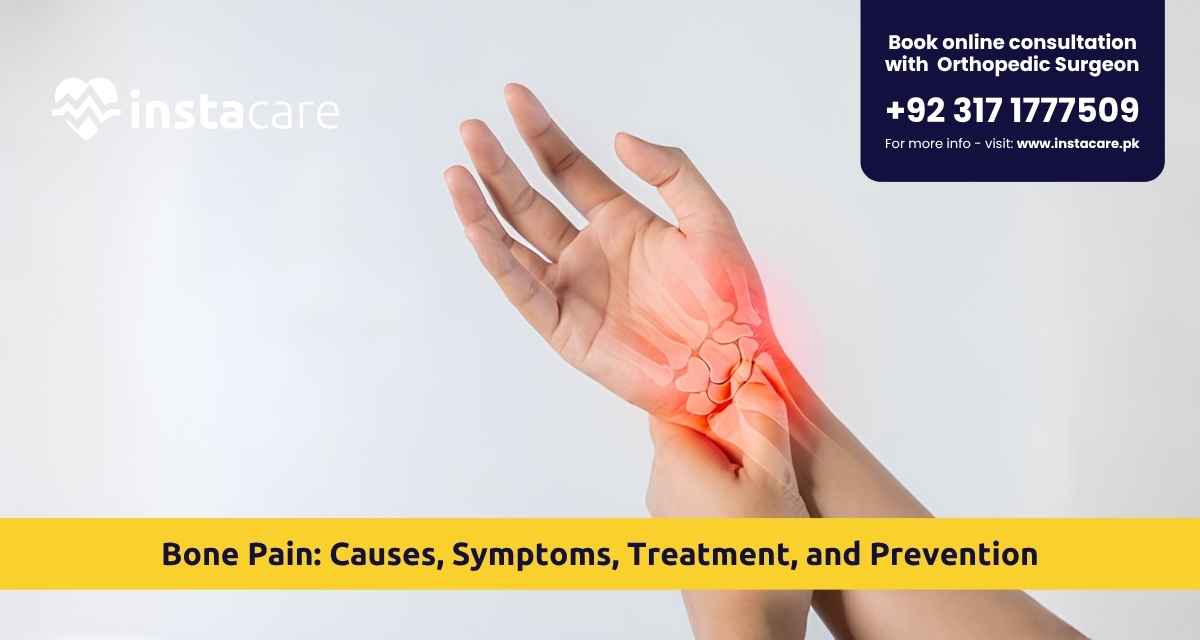
Bone pain that is occasional and not severe is not necessarily a cause for concern, but bone pain that is frequent and severe should always be evaluated. Knowing the causes of bone pain and other issues surrounding bone pain can help determine when to seek medical help.
What is Bone Pain?
Bone pain is the pain and discomfort felt in one or multiple bones in the body. Bone pain can be experienced in any bone and can be mild, severe, constant, or intermittent. Bone pain, unlike muscle pain, is felt even when you are not moving. Bone pain can also disrupt daily activities, sleep, and the overall quality of life.
What does Bone Pain Feel Like?
Usually, bone pain is described as one of the following:
- A deep and aching
- Sharp and stabbing
- Constant or tender
- Throbbing
- Worsening and throbbing with movement and pressure, but still felt while resting
- Swelling, redness, and limited movement may be experienced in the area of pain.
Common Causes of Bone Pain
There are many different causes and conditions associated with bone pain. Some causes and conditions are more serious and require long-term medical care, while others may be more benign and less serious.
Injuries and Fractures
Injury is one of the top reasons for painful bones.
This includes:
- Broken bones and stress fractures
- Bone bruises
- Sports injuries
- Falls and accidents
Pain from fractures is sudden, and severe, and usually swells with some movement difficulty of the affected area.
Osteoporosis
Initially, Osteoporosis causes no pain, but leads to thinning and weakening of the bones. From this diminished bone density, even the most trivial of falls may cause fractures. This condition may affect anyone who experiences significant bone loss, but is more common among the older population.
Bone Infections
While infections of almost any other tissue tend to cause only swelling and warmth in the affected area, infections of the bone cause even greater, and persistent, painful inflammation. Bone infections become critical and even life-threatening, so are best treated as soon as possible.
Arthritis Near the Bone
Osteoarthritis primarily affects the joints and leaves the surrounding bones mostly unchanged. However, inflammatory swelling of the joints can affect the surrounding bones, and the pain can be interpreted as originating from the bone itself.
The areas mostly affected are:
- Shoulder
- Spine
- Knees
- Hips
- Affected areas can also be attributed to minor injuries and some arthritis.
Vitamin and Mineral Deficiencies
Nutrient deficiencies also contribute to weakened bones and may cause discomfort. Some of these nutrients include:
- Calcium
- Vitamin D
- Phosphorus
- Overuse Injuries
Stress fractures form from repeated stress and the activity also leads to bone injury.
This is especially common in those who are:
- Runners
- Dancers
- Military personnel
- Athletes who play sports that are of a higher impact
Growth-Related Bone Pain
Increased activity and bone injury is common in younger patients, during periods of rapid growth.
This pain often targets:
- Legs
- Knees
- Thighs
- Calves
Generally, this pain happens in the evenings or during the night, but may go away when the growth period slows.
🩺 Book Lab Tests from Top Labs & Get Up to 35% OFF
Medical Conditions Related to Bone Health
There are several conditions that can weaken bones or disrupt the remodeling of bones. These longer-term, more persistent problems may cause chronic or recurring bone pain. These conditions may impact the strength, healing ability, or the mineral content of bones.
Symptoms That May Occur With Bone Pain
Depending on the reason for the bone pain, bone pain may occur with other symptoms such as:
- Swelling
- Bruising
- Redness
- Warm skin
- Difficulty walking
- Reduced range of motion
- Fever
- Fatigue
- Unintentional weight loss
- Night pain
The collection of symptoms may assist healthcare professionals in identifying the cause.
When Should You Consult with a Healthcare Professional?
While some aches and pains may resolve with rest, some symptoms may represent a more serious issue.
Consult a healthcare professional if bone pain:
- Is persistent
- Is worsening
- Is caused by significant trauma
- Restricts normal movement
- Is caused by swelling or a deformity
- Is caused by significant difficulty bearing weight
- Is accompanied by fever or chills
- Is caused by unintentional weight loss
- Summer during the night
- Early diagnosis may improve the outcome of treatment.
How Is Bone Pain Evaluated?
Evaluating bone pain may begin with a detailed history and a physical examination.
A healthcare provider may want to know:
- When did the pain begin?
- Where do you feel the pain?
- Have you had recent injuries?
- What is your level of activity?
- What are your other symptoms?
- What is your medical history?
Additional testing could consist of:
- X-ray imaging studies
- Advanced imaging studies
- Blood work
- Bone density testing
- Other tests based on the symptoms
Fractures, infections, and inflammation will be identified based on these tests.
Treatment for Bone Pain
Treatment for bone pain will be based on the cause of the pain.
Rest and Activity Changes
Patients will be asked to change activities that may be worsening the pain. Rest will be required if a bone was fractured or an injury was caused due to overuse.
Pain Relief
Depending on the condition, a healthcare provider may recommend medication to relieve pain and inflammation. All medications should be taken as recommended by a healthcare provider.
Physical Therapy
If an injury or a condition of a bone is altered, the function of that bone may be restored with therapy that consists of exercises to increase flexibility, strength, and balance. Physical therapy may also help prevent injuries that may occur in the future.
Nutritional Support
A diet that includes calcium, vitamin D, protein, magnesium, and phosphorus can help strengthen bones and help them heal.
Medical Procedures
Based on what an injury or condition of a bone may be, specialized treatment may be required and may include the repair of a bone fracture, an infection, or help with a condition of a bone that may involve a change in the structure of the bone.Treatment will be based on the condition.
Treatment for Bone Pain
Pain in bones is not always preventable, but there are causes of bone pain that can be avoided.
Stay Active
Strong bones help reduce the risk of pain in bones, and this is a result of regular weight-bearing exercises. Being physically active is a key part of a healthy lifestyle that reduces your risk of developing osteoporosis. Some types of physical activity are particularly useful for building and maintaining strong bones:
Weight-bearing activities such as:
- Walking
- Jogging
- Dancing
- Strength training
- Hiking
Good Diet
A good diet with plenty of nutrients, especially those that contribute to strong bones.
Prevent Falls
- Wear supportive shoes
- Clear walking areas of obstacles
- Use handrails when going up and down stairs
- Have enough light in your home so you can see where you are going
Maintain a Healthy Weight
Keeping an appropriate body weight reduces the stress on bones and joints.
Avoid Smoking
Avoid smoking. It can interfere with bone healing and can affect their strength.
Conclusion
Managing bone pain often means a healthy and active lifestyle to address the cause. The pain and condition will often worsen if you do not seek medical treatment. Bone pain can come from many different causes, slight to moderate bone pain is often not a cause for concern. Severe and persistent bone pain should always be evaluated by medical professionals. Stressing the importance of a healthy diet, active lifestyle, and prevention of injuries should be a priority as it aids in strong bones along with early treatment of any chronic bone pain.
Please book an appointment with the best Orthopedic Surgeon in Lahore, Karachi, Islamabad, and all major cities of Pakistan through InstaCare, or call our helpline at 03171777509 to find a verified doctor for your disease.