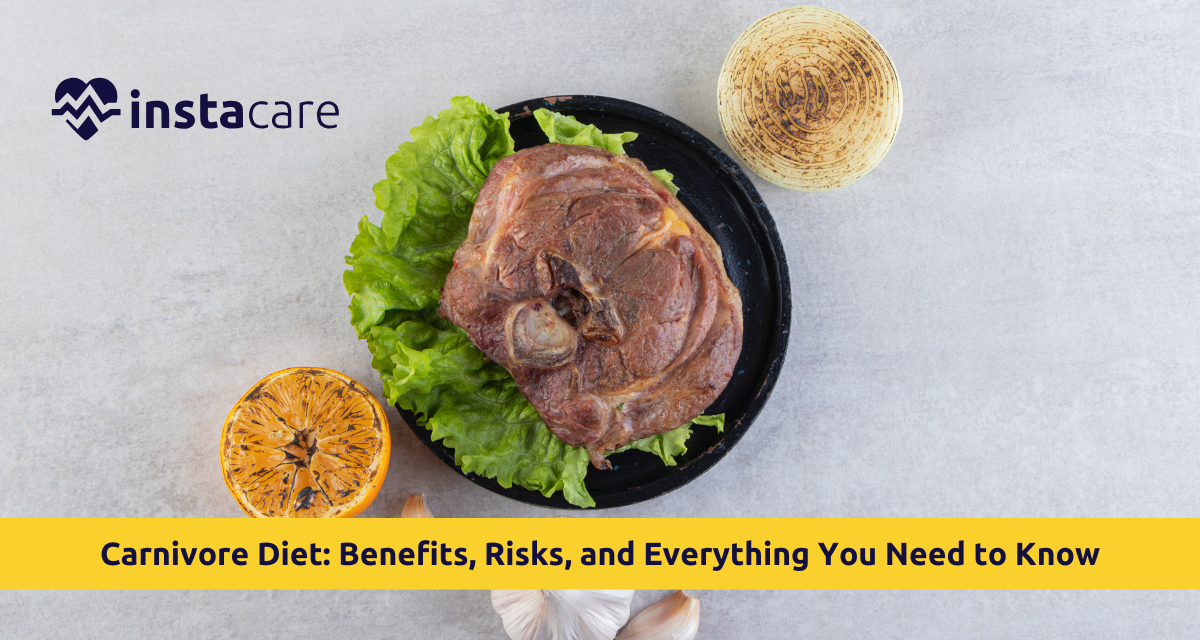
What Is the Carnivore Diet?
Carnivore diet is a high protein and high-fat diet that only consists of animal products. It also gets rid of all the vegetarian foods such as fruits, vegetables, grains, legumes, nuts and seeds.
Core Principle:
- Consume foods that have an animal origin.
This includes:
- Meat
- Fish
- Eggs
- Certain dairy products
- Animal fats
It is also known as a zero-carb or all-meat diet.
How the Carnivore Diet Works?
Carnivore eating diet operates by cutting down significantly on carbohydrates. Removal of carbs causes the body to lose its glucose-burning energy source, which becomes fat burning energy source, known as ketosis (then keto).
Key Mechanisms:
- Eradicates carbohydrates totally.
- Raises protein and fat consumption.
- May reduce insulin spikes
- Encourages fat burning
Some individuals lose weight very fast since it eliminates processed foods and sugars.
Potential Health Benefits of Carnivore Diet
The advocates note that the Carnivore diet benefits are few but scientific studies lack strong evidence.
Weight Loss
The Carnivore diet for weight loss might be effective because:
- Reduced calorie intake
- Higher levels of protein satiety.
- Normalized blood sugar level.
Simplicity
The diet itself is simple, no counting of calories and no complicated eating arrangements.
Lowered Inflammation (Reported)
Others complain of improvement in:
- Joint pain
- Autoimmune symptoms
- Digestive discomfort
Better Glycemic Control
Zero carbos reduce the spikes in blood sugar levels.
Mental Clarity
Other followers report to have a better concentration and energy.
The majority of the benefits are, however, not grounded on scientific trials over a long period but on personal reports.
Possible Risks and Side Effects of Carnivore Diet
Although it is popular, it has possible Carnivore diet side effects.
Nutrient Deficiencies
Getting rid of plant foods can cut down consumption of:
- Fiber
- Vitamin C
- Antioxidants
- Certain phytonutrients
Digestive Issues
- Constipation (because of fiber deficiency)
- Changes in gut microbiome
Increased Cholesterol
The high consumption of saturated fat can contribute to the LDL cholesterol in certain individuals.
Kidney Strain
People with kidney problems may not be appropriate with high protein intake.
Long-Term Health Concerns
- Little has been done to determine the long-term safety of this diet.
- Never make significant alterations in your diet.
Foods to Eat on the Carnivore Diet
Here is a simple list of a carnivore diet food:
Animal-Based Foods:
- Beef (steak, ground beef)
- Pork
- Lamb
- Chicken and turkey
Read More: 10 Hazards Of High Sugar Diet
Fish and seafood
- Eggs
- Organ meats (liver, heart)
- Bone broth
- Animal fats (tallow, lard)
Optional (Depending on Strictness):
- Butter
- Hard cheeses
- Heavy cream
Minimal and grass-fed meats are commonly suggested.
Foods to Avoid
The carnivore diet excludes any vegetable foods.
Avoid:
- Fruits
- Vegetables
- Grains
- Legumes
- Nuts and seeds
- Sugary foods
- Processed snacks
- Vegetable oils
Even the slightest portions of carbs are usually avoided.
Sample Carnivore Diet Meal Plan
An example of a Carnivore diet meal plan is the following:
Breakfast:
- 3 eggs cooked in butter
- Bacon strips
Lunch:
- Grilled ribeye steak
- Bone broth
- Snack (Optional):
- Hard-boiled eggs
- Cheese slices
Dinner:
- Baked salmon with butter
- Ground beef patty
Hydration is significant- water and electrolyte-rich fluids are promoted.
Who Should and Shouldn’t Try the Carnivore Diet?
May Consider (having medical advice):
- Patients having some autoimmune disorder.
- Individuals who want to get rid of diets in the short run.
- The insulin-resistant individuals.
Should Avoid:
- Pregnant or breast feeding women.
- Kidney disease patients.
- Individuals at risk of heart disease.
- Individuals who require high-fibre diets.
Strongly advised is the medical supervision.
Tips for Beginners
In case you intend to try it:
- Begin with a slow reduction of carbs.
- Focus on high-quality meats
- Stay hydrated
- Monitor cholesterol levels
- Watch for digestive changes
- Look at short term trial rather than permanent dedication.
First of all, there may be transition symptoms such as fatigue (keto flu).
Carnivore Diet vs Keto Diet
Carnivore diet vs keto can be used to understand differences.
Carnivore Diet:
- 100% animal products
- Zero carbohydrates
- No plant foods
- Highly restrictive
Keto Diet:
- Low-carb (not zero)
- Contains vegetables, nuts, and seeds.
- Focuses on ketosis
- More flexible
Keto is deemed to be healthier and generally more sustainable.
Conclusion
Carnivore diet is a rigid eating plan, animal-based diet which excludes all vegetable foods. Although other people share positive results, such as losing weight and gaining energy, one should not overlook potential risks, including nutrient deficiency and the rise in the cholesterol level. Due to the fact that long-term research is not as widespread, the diet can be considered rather carefully and with medical guidance.
When thinking about the carnivore diet as the solution to your weight loss (or any other health-related) motives, it is necessary to consider the possible advantages and the potential risks that one will have to face and decide whether you would be better represented by a more balanced diet.
Please book an appointment with the best Nutritionist in Lahore, Karachi, Islamabad, and all major cities of Pakistan through InstaCare, or call our helpline at 03171777509 to find a verified doctor for your disease.