What Is Cleidocranial Dysplasia?
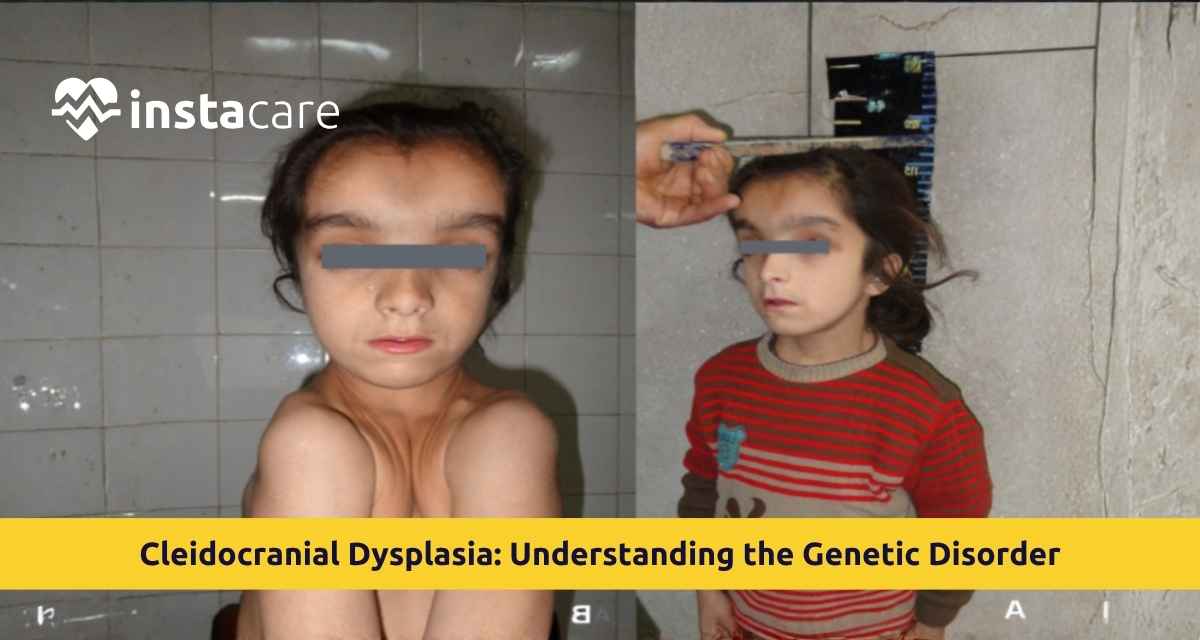
Cleidocranial Dysplasia is a hereditary disorder that mainly impacts the growth of bones and teeth. The term cleidocranial is a combination of the two main locations of the condition in the body, the collarbones (clavicles) and the skull (cranial bones). Individuals affected by CCD might possess defective collarbones, peculiar skull shape and other dental deformities. There may be other skeletal characteristics, including, but not limited to, short stature and delayed bone fusion.
Cleidocranial dysplasia is a condition which is caused by mutation of RUNX2 gene which facilitates the development of bones. This gene mutation influences the development of bones and teeth and results in the typical appearance of the disorder.
Causes of Cleidocranial Dysplasia
CCD is an autosomal dominant inheritable condition, meaning that a person only requires having one gene that carries the mutated gene to develop the disease. When an individual has a parent who has CCD, he/she will have a 50 percent risk of inheriting the mutated gene and developing the disorder. Sometimes CCD can be a spontaneous mutation in the gene, and there is no family history of the disorder.
The RUNX2 gene mutation affects the formation of some bones, such as the collarbones, skull, and teeth. This gene is a very important gene in regulating bone formation and development of the skeletal system, hence it is especially linked to the disorders affecting bone growth and development.
Read More: Premenstrual Dysphoric Disorder: Symptoms, Causes, Treatment
Key Symptoms of Cleidocranial Dysplasia
The following are the main Cleidocranial Dysplasia symptoms:
Cleidocranial Dysplasia symptoms may differ greatly in each individual. Others can have mild symptoms and others can develop more severe manifestations. The most prominent symptoms are:
Clavicles (Collarbones) abnormalities
The underdevelopment or total absence of the clavicles is one of the typical characteristics of CCD. Soft or absent collarbones are common in many people with CCD, and result in the capacity to bring the shoulders together in front of the chest- a typical "shrug" or shoulder girdle flexibility.
Dental Issues
People who have CCD are known to have dental defects such as late eruption of permanent teeth, supernumerary teeth or missing teeth. Such problems may result in crowding, misalignment, and oral hygiene problems.
Skull and FacialMalformations
Individuals affected with Cleidocranial Dysplasia can possess a large broad skull with a bulging forehead and undeveloped sinuses. The skull bones could not be hard yet and the sutures (the joints between the skull bones) could not close accordingly resulting in a condition called open fontanelles.
Limb Abnormalities and Short Stature
Most people with CCD are of shorter stature than normal, owing to retarded growth and underdevelopment of the long bones in the limbs. They can also be born with deformed shapes of bones or joints like hip dysplasia or bowed legs.
Skeletal Abnormalities
Additional skeletal changes of CCD can be the appearance of the additional bones in the hands, feet or spine, and the unusual curvature of the spine (scoliosis).
Hearing Loss
Though uncommon, conductive hearing loss can occur in people with Cleidocranial Dysplasia, as a result of defects in ear bones.
Diagnosis of Cleidocranial Dysplasia
The diagnosis of Cleidocranial Dysplasia usually includes physical examination, medical history and genetic testing. Some of the major diagnostic techniques are:
Physical Examination
A healthcare professional will also investigate the person in terms of skeletal anomalies, including poorly developed collarbones, cranial bone morphology and dental problems.
X-Rays
The status of the bones, such as the clavicles, skull and limbs is usually determined with the help of X-rays. The typical absence or underdevelopment of the clavicles, and other skeletal abnormalities, can be detected by X-rays.
Genetic Testing
The most definite method to confirm a diagnosis of Cleidocranial Dysplasia is through genetic testing. One can carry out a blood test to search for the mutations in the RUNX2 gene that leads to the disorder. In case of the presence of the mutation, the diagnosis of CCD can be made.
X-Rays and Consultations in Dental
Dental abnormalities disorders are one of the key characteristics of CCD, thus dental x-rays could be used to evaluate the progress of the teeth. The dental problems diagnosis and treatment might also involve a dentist or orthodontist.
Cleidocranial Dysplasia Treatment Options
Cleidocranial Dysplasia has no cure at the moment. Treatment is however geared towards management of the symptoms and enhancement of life quality among the affected. Treatment options include:
Orthopedic Management
Severely skeletally abnormal individuals (those who lack clavicles or have joint issues) may require surgery. Physical therapy can also be prescribed in order to enhance posture, mobility and coordination.
Dental Care
It is very important that a dentist intervenes early in order to deal with dental problems. Therapies can involve orthodontics to ensure misalignment is corrected, removal of supernumerary teeth by surgery and measures to deal with delayed tooth eruption. Dental checkups should be conducted regularly to check the growth of the teeth.
Hearing Management
In the case of hearing loss, hearing aids or other treatments can be required to aid hearing and communication.
Growth Hormone Therapy
There are those where short people can be treated with growth hormone to enhance growth and height.
Genetic Counseling
Cleidocranial Dysplasia being a genetic disorder, the genetic counseling is advised to both the individuals and families with CCD. This will assist the families in knowing the pattern of inheritance and make good decisions on family planning.
Living with Cleidocranial Dysplasia
When well managed and given medical attention, most victims of Cleidocranial Dysplasia live relatively normal lives. The main preventive or minimizing of complications is early diagnosis and treatment. Follow-up visits to medical experts such as orthopedic specialists, dentists, and genetic counselors can be used on a regular basis to make sure that people with CCD get the right care and support they need in their lifetime.
Prognosis
Cleidocranial Dysplasia prognosis is usually good, but it may depend on the severity of the symptoms. The majority of persons with CCD live a normal lifespan but they might suffer difficulties in skeletal growth, oral health and movement. These challenges may be dealt with with early interventions and periodic monitoring to increase the quality of life.
Conclusion
Cleidocranial Dysplasia is a genetically rare disease which influences the growth of bones and teeth. Though it may cause multiple physical difficulties, proper management and early diagnosis can enable people with CCD to live a good life. Owing to improvements in medical care, such as orthopedic, dental, and genetic counseling, most people with CCD are able to control the symptoms and live a good life. Monitoring and care should also be performed regularly to guarantee the best possible results.
Please book an appointment with the best Pediatric Dentist/Orthodontist in Lahore, Karachi, Islamabad, and all major cities of Pakistan through Instacare, or call our helpline at 03171777509 to find a verified doctor for your disease.