What is Enamel Erosion?
Enamel erosion is the constant wear away of your hard enamel surface layer on your teeth by contact with acid. In contrast to tooth decay, where acid is produced by germs in your mouth, enamel erosion results when acids outside-of-your-mouth actually wear down your enamel mineral structure.
You should be watchful for enamel erosion vs tooth decay. Tooth decay results in cavities on a specific site where bacteria are likely to congregate, while enamel erosion is on vast surfaces of teeth and most frequently occurs when acid demineralizes enamel uniformly. They are both degrading but they both require heterogeneous preventive interventions.
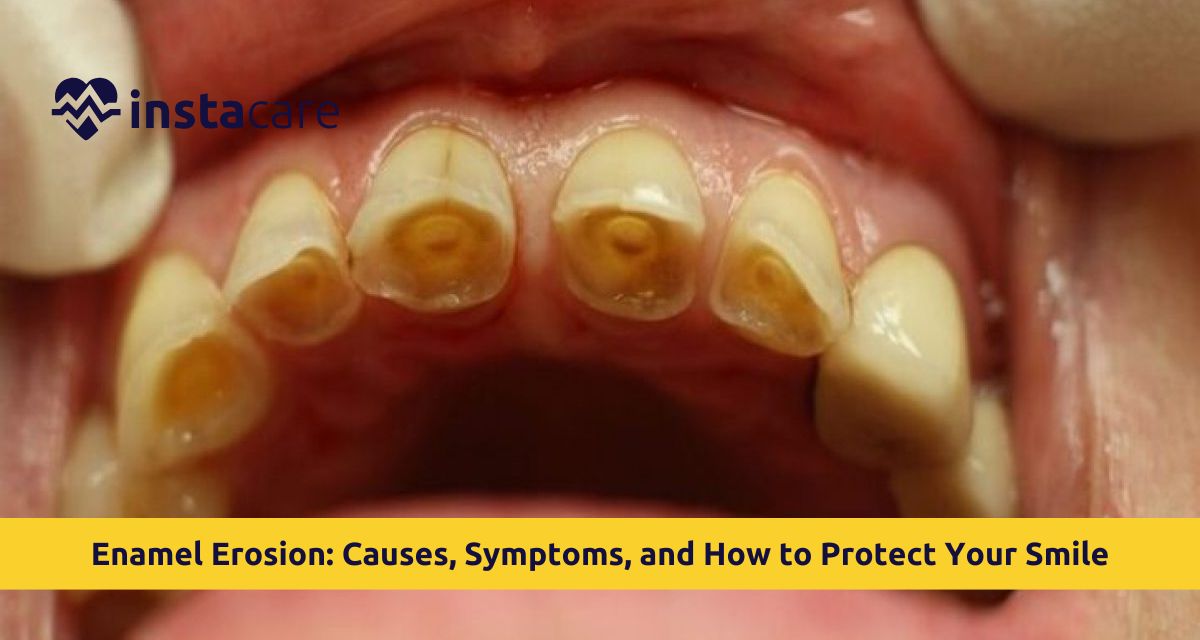
When the enamel is lost, the thinner layer of dentin beneath is exposed and leads to sensitivity, staining, and susceptibility to damage. Prevention is the best option because the enamel does not re-grow.
Causes of Enamel Erosion
Dietary Causes
Food causes are the most common reasons for enamel erosion causes. Acidic drinks and enamel erosion share a common alliance, but sadly in a bad alliance:
- Soft drinks and sodas - phosphoric and citric acids
- Citrus foods and fruit drinks - extremely high in citric acid
- Sports and energy drinks - very acidic given their health popularity
- Wine - red and white wine are erosive acids
- Soft drinks with fruit flavor - typically as acidic as soft drinks
Dietary Foods
Some foods that cause enamel erosion are responsible for enamel erosion: Pickled foods, vinegary salad dressings, sour candies, and excess citrus fruits.
Medical Conditions
There are different health conditions that result in enamel erosion:
- Acid reflux (GERD) - stomach acid reaches the mouth regularly
- Bulimia and eating disorders - vomiting and exposure of teeth to stomach acid regularly
- Morning sickness - vomiting due to pregnancy erodes enamel
- Dry mouth (xerostomia) - insufficient levels of saliva are unable to fight acids
Lifestyle Factors
- Excessive brushing of teeth, especially after consumption of acidic foods
- Binge snacking without proper oral health
- Repetitive over-consumption of acidic beverages
- Use of particular drugs that increase the acidity of the mouth or block saliva secretion
Children's Enamel Erosion
There are some risk factors for enamel erosion in children as well. Frequent intake of sports drinks, fruit juices, and sour food and developing oral hygiene practice lead to children's more severe enamel erosion. Enamel found on primary teeth is less than that on permanent teeth, and thus they are extremely vulnerable to acid attack.
Symptoms of Enamel Erosion
Early warning signs of enamel erosion symptoms are critical in preventing extensive damage.
Early Signs of Enamel Erosion
- Ache in teeth - tender when consuming hot, cold, or sweet food
- Discolouration - yellow because dentin is showing because of thinning enamel
- Palely transparent or half-transparent margins - particularly on front teeth
- Smooth, slippery patches where enamel has been lost
- Mild roughness to tooth surfaces
Severe Symptoms
As erosion worsens:
- Severe pain upon eating food and liquids
- Deep crevices or dents on biting surfaces
- Round teeth away from their natural shape
- Cracked or broken edges with loss of enamel
- Dark brown or yellow coloration as more dentin is exposed
Read More: How To Remove Black Lines On Teeth
Stages of Enamel Erosion
Identification of the enamel erosion stages brings severity and urgency of treatment:
- Stage 1: Primary Demineralization Enamel is penetrated and softened. White spots are evident. Enhanced oral health still resists at this stage.
- Stage 2: Enamel Transparency Gross visible transparency may be observed particularly at tooth margins. Sensitivity is noted and staining is enhanced. Oral hygiene can arrest the decay.
- Stage 3: Dentin Exposure There is excessive enamel loss such that dentin below is exposed. Teeth become yellow, sensitivity is increased, and structure is lost. Professional intervention is needed.
- Stage 4: Excessive Erosion Severe enamel loss leads to obvious cupping, indentations, and hypersensitivity. Teeth are extremely prone to fracture. Restoration must be carried out to save tooth structure.
How to Prevent Enamel Erosion?
Prevention is easier and less expensive than reversal of enamel erosion. The following is the actual process of how to prevent enamel erosion:
Dietary Changes
- Limit acidic beverages - limit consumption of sodas, citrus beverages, and energy drinks
- Straw use - minimize contact of acidic liquids with tooth surfaces
- Water rinse - following consumption of acidic foods or acidic beverages
- Neutralize with milk or cheese after consumption of acidic foods
- Choose tooth-safe foods - raw vegetables, nuts, and cheese buffer enamel
Good Oral Hygiene
- Postpone brushing - wait 30-60 minutes after eating acidic food
- Soft-bristled toothbrushes for tooth brushing - no mechanical abrasion of softened enamel
- Choose enamel erosion toothpaste - fluoride toothpastes for sensitivity and remineralization
- Gentle smooth round motions, do not brush hard - preserve enamel
Saliva Production
- Hydrate well - good drinking keeps saliva production going
- Chew sugarless gum - stimulates saliva to neutralize acid
- Treat dry mouth - report physician about medications that cause low saliva
Treatment Options for Enamel Erosion
Home Remedies for Enamel Erosion
Although natural healing of enamel erosion is not possible, the following enamel erosion home remedies help in remineralization during the initial stages:
- Fluoride treatment - fluoride mouthwashes that are available over-the-counter strengthen existing enamel
- Diet with calcium - provides teeth and aids in remineralization
- Green tea ingestion - contains compounds that can restrict erosion
- Baking soda mouth rinsing - occasionally removes mouth acids (caution must be used)
Dentist Treatment for Enamel Erosion
Professional dentist treatment for enamel erosion according to severity:
Mild Erosion:
- Professional fluoride treatments
- Dentist toothpaste
- Sealants in dentist's office as a preventive measure
Moderate Erosion:
- Bonding to seal exposed dentin
- Composite fillings to restore tooth structure
- Custom fluoride trays for use at home
Severe Erosion:
- Crowns to cover severely eroded teeth
- Veneers for cosmetic and protective restoration
- Full mouth rehabilitation for advanced cases
Your dentist will diagnose the phases of enamel erosion treatment and enamel erosion repair and treat accordingly.
Long-Term Oral Care Tips
Enamel health has to be preserved day and night:
- Regular dental checkups - go see your dentist every six months for early detection
- Correction of root causes - fix acid reflux, eating disorders, or other underlying causes
- Cautious diet - keep a food diary to keep track of acid patterns
- Early training of children - provide children protective habits to wear down their enamel
- Use protective products - purchase effective enamel-wearing toothpaste and fluoride mouthwashes
- consider mouth protectors - do you grind your teeth at night
- Stay informed - learn about the latest research and developments in protecting enamel
Conclusion
Enamel erosion is a hidden threat to teeth that erodes the dental health of millions of people on the earth. Whereas enamel is lost forever, awareness of early signs of enamel erosion means that you are ready to take preventative measures before harm is irreversibly caused. By properly chewing, having healthy oral health, and visiting your dentist if necessary, you will be able to keep your natural enamel and have a healthy, white smile for a lifetime.
Remember, your initial signs of enamel erosion are your wake-up call—don't brush off sensitivity or tooth color changes. With preventative dentistry and early treatment if necessary, you can keep your enamel in its finest form and safeguard your smile for life.
Please book an appointment with the best Dentist in Lahore, Karachi, Islamabad, and all major cities of Pakistan through InstaCare, or call our helpline at 02137136090 to find a verified doctor for your disease.