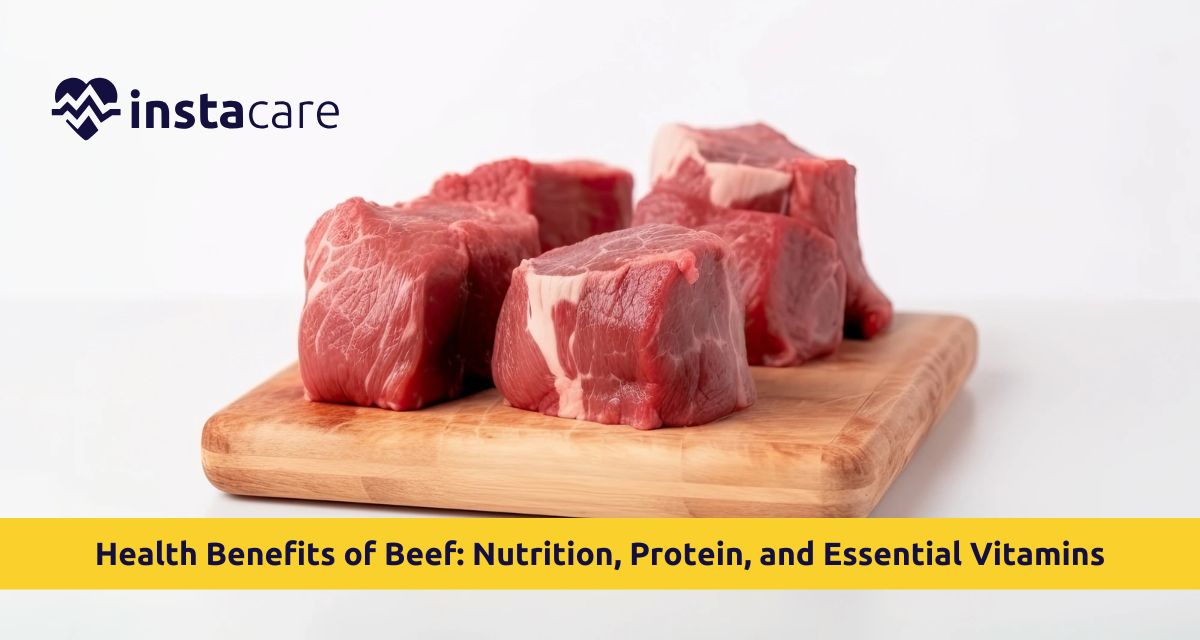
Beef is a dietary backbone of many cultures having eaten it thousands of years due to its high flavor and nutritional value. Beef is one of the richest sources of important nutrients that enhance many functions of the human body since it is among the most consumed meat all over the world. Although the recent dietary trends have led to controversy regarding the consumption of meat, the nutritional value of beef makes people make wise choices on whether to incorporate it into their well-balanced diet. This all-inclusive information source discusses the nutritional data, health benefits and issues with adding beef to your diet.
Nutritional Profile of Beef
The beef nutrients are incredibly varied and concentrated as well, which means that it is a nutrient-dense food. An average 3-ounce amount of cooked lean beef will supply around 170-180 kcal and an impressive list of nutrients present. beef protein is particularly useful in terms of its amount of protein as it is a complete protein containing all nine necessary amino acids the body itself cannot synthesize. Besides protein, beef is an outstanding source of a number of important vitamins and minerals:
- Vitamin B12: Beef is also among the best natural sources of beef vitamin B12 that provides more than 100 percent of the daily recommended intake of the nutrient in a single portion.
- Iron: beef iron content is high and readily available in the form of heme that is readily absorbed by the body compared to the iron found in plants.
- Zinc: The element is important in the immune system, wound healing and the synthesis of DNA.
- Selenium: This is a significant antioxidant that helps to maintain the work of the thyroid gland and preserve the cells of the body.
- Niacin (B3): Maintains metabolism and the nerves system.
- Vitamin B6: Important in protein metabolisms and in the development of the red blood cells.
- Phosphorus: It combines with calcium to form strong bones and teeth.
- Choline: It helps in maintaining brain and liver functioning.
Fat content of beef varies with the cut with the leanest beef containing low fat content and the well-marbled beef containing high fat content. Notably, about half of the beef fat is the monounsaturated fats, which are heart-healthy fats, present in olive oil.
Key Health Benefits of Beef
The beef health benefits are applicable to several body systems, which is why it is a good supplement to most dietary trends:
- Muscle Growth and Maintenance: beef for muscle growth is very effective because of its full potential of protein, creatine and leucine which stimulates the production of muscle proteins in athletes and older people.
- Improved Energy: Iron, B vitamins and protein supplementation allow lasting energy reserves and prevents fatigue.
- Immune System Support: Zinc, selenium and vitamin B6 components in beef are important to the immune mechanisms and cell protection against oxidative injury.
- Brain Health: Beef vitamin B12 is necessary to the nerve cells and mental performance, and choline is important in the production of neurotransmitters.
- Metabolic Health: Beef contains protein, which balances the sugar level in the blood and satiates the gut, which helps in maintaining weight.
Types of Beef and Their Health Impact
Various types and cuts have a very strong impact on nutritional profile of beef:
- Grass-Fed Beef: It has more omega-3 fatty acids and CLA and has a little higher concentration of vitamins.
- Lean Beef Cuts: Eye of round, sirloin tip, top round, and 95 per cent lean ground beef all offer maximum protein with minimum amount of fat.
- Meats: Beef liver is extremely rich in vitamin A, B-vitamins, and iron.
The lean beef benefits are that they have all the nutritional benefits of beef with less saturated fat content thus they are perfect to heart-conscious consumers.
How Much Beef Should You Eat?
The best consumption of beef relies on the general health condition as well as the dietary objectives. Majority of the nutritionists prescribe moderate portion as a part of a well-balanced diet:
- 3-4 ounces of cooked lean beef on a plate (approximately one deck of cards)
- Most adults should take 3-4 portions a week.
- Vegetarianism Balance between fish, poultry, legumes, and plant-based proteins.
- Prefer lean cuts to fatty cuts.
Athletes and people who have a greater need of protein can consume it a little more often, whereas people with cardiovascular diseases may have to consume fewer portions after consulting a doctor.
Read More: Mutton vs Beef - Which Is Better For Us
Healthier Ways to Cook Beef
The techniques used to cook meat have a great influence on the nutritional quality and the existing health hazards related to the meat intake of beef. The preparation methods should be made healthier to maximize the nutritional value of beef and minimize the formation of harmful compounds. Cooking Methods Recommended:
- Grilling and Broiling: Rapid preparation at high temperature, however, do not char which can form potentially harmful compounds.
- Roasting: This is ideal in big pieces, to have the fat run off, and still keep the meat juicy.
- Slow Cooking: Low temperature maintains the nutrients and yields soft products without fats.
- Stir-Frying: Rapid and low-oil cooking, and lots of vegetables.
- Braising: It is a combination of searing and slow cooking in liquid to create nutritious and flavorful dishes.
Healthier Preparation Tips:
- Wipe down with a towel prior to cooking to minimize the level of saturated fats.
- Marinate beef with acidic ingredients (vinegar, lemon juice) to suppress the formation of harmful compounds in the process of high-heat cooking.
- Do not burn or over cook and this may produce carcinogenic substances.
- Combine beef with vegetables that contain antioxidants to counter oxidative stress.
- Add herbs and spices, rather than too much salt to eat.
- Fat leftovers after cooking ground beef.
Potential Risks of Excessive Beef Consumption
Although there is a generally positive answer to the question is beef healthy in moderation, there are health issues with overconsumption:
- Cardiovascular Disease: Saturated fats consume too much of it and lead to an increase of LDL cholesterol.
- Type 2 Diabetes: Red meat intake: High intake of red meat is associated with high risk of diabetes.
- Some Cancers: The WHO categorizes processed meat as a carcinogen, and the risk to human health is growing mostly when one consumes a lot of it.
- Weight Gain: Eating more of higher-fat cuts may cause one to eat more calories.
These risks seem to be the greatest one with processed meats and high consumption. It is not the same with moderate consumption of lean beef when it is a part of a diverse diet that is high in vegetables and whole grains.
Who Can Benefit Most from Eating Beef?
Nutritional values of beef may have certain merit to certain populations:
- Sportsmen and Underactive: The amount of protein helps to recover and develop muscles, whereas iron avoids anemia as a result of sporting activities.
- Pregnant Women: Beef is a good source of nutrients because expectant women have higher iron, B12, and protein requirements.
- Growing Children and Adolescents: The entire protein and minerals are important to ensure proper growth and development.
- Elderly: Beef prevents age-related loss of muscles (Sarcopenia) and meets the augmented nutritional demands.
- People suffering Anemia: Heme iron in beef is highly bioavailable and it works well in treating iron deficiency.
- Beef: Beef is a nutrient-rich, low-carb source of energy.
There is however, moderation and lean cut selection even in these groups as they offer the best health results.
Conclusion
Beef has got health benefits that are immense, as long as it is consumed in a balanced diet. Beef is a fantastic source of high quality protein, highly bioavailable iron, vitamin B12 and many other key nutrients which help maintain the health of the muscles, aids in energy production, helps the immune system work and thus maintains the overall health of a person.
Controlling the consumption of beef is the secret to its nutritional benefits and reducing the possible risks, selecting lean meat, and using healthy means of cooking. Making lean beef a few times a week and supplementing it with vegetables, fruits, whole grains, and other sources of proteins is a reasonable solution to optimal nutrition of most individuals.
Please book an appointment with the best Nutritionist in Lahore, Karachi, Islamabad, and all major cities of Pakistan through InstaCare, or call our helpline at 03171777509 to find a verified doctor for your disease.