The dietary fiber benefits are highly scientific and most people fail to take their daily fiber consumption as required. This paper explains what dietary fiber is, the primary health benefits of consuming it, the most effective sources of fiber, how much fiber you need to take each day, how to boost your fiber intake without making things worse, side effects, and to the answers to the most commonly asked questions.
What Is Dietary Fiber?
Dietary fiber is one of the carbohydrates in plant based food which the body is unable to digest or absorb fully. The fiber is not digested like the rest of the carbohydrates and this is convenient in the digestive system regulation and also health maintenance.
Fiber is of two major types:
- Soluble Fiber: This is dispersed in the fluid of water to exist in the form of a gel-like substance. It helps to decrease cholesterol and blood sugar. Can be found in oats, fruits, beans and legumes.
- Insoluble Fiber: This fiber has no solution in water, and has bulking effects on the stool that is essential in the passage of food along the digestive tract. Found in whole grains, vegetables and nuts.
Both types are imperative of getting optimum health advantages of fiber.
Key Health Benefits of Fiber
The health benefits of fiber are of various types that affect different body systems.
Improves Digestive Health
One of the most well-known high fiber diet benefits is the improved digestion. Fiber is applied to prevent constipation through the volume of stool and the movement of bowels. It also contributes to the fiber and gut health as it feeds good bacteria in the gut which is necessary to the body in respect to immunity and uptake of nutrients.
Supports Weight Loss
Fiber for weight loss is extremely good because when you consume food with high quantity of fibers, you do not feel hungry. Fiber is indigestible and it suppresses hunger therefore it regulates the calorie consumption in a natural way. More fiber consumers are less likely to consume calories and also healthy as regards to body weight.
Keeps the Blood Sugar Levels
The soluble fiber will not enable the rapid absorption of sugar into the bloodstream and thus will not lead to the rapid increase in the levels of the blood glucose. This is more useful especially to people with diabetes or those who are at the risk of getting diabetes.
Promotes Heart Health
Fiber inhibits the bad (LDL) cholesterol levels by binding to the cholesterol particles and removing them in the body. High fiber diet reduces heart diseases, high blood pressure and stroke.
Reduces the exposure to Chronic Diseases
It has been found that people who consume adequate amounts of fiber have a reduced chance of contracting type 2 diabetes, colorectal cancer, and heart disease. The preventive benefits of dietary fiber arise in the long-term hence it is a highly required nutrient.
Read More: Fibroids: Causes, Symptoms, Types, and Effective Treatment Options
Best Sources of Dietary Fiber
The best solution to the requirements of fiber is to incorporate the various fiber rich foods in your daily meal.
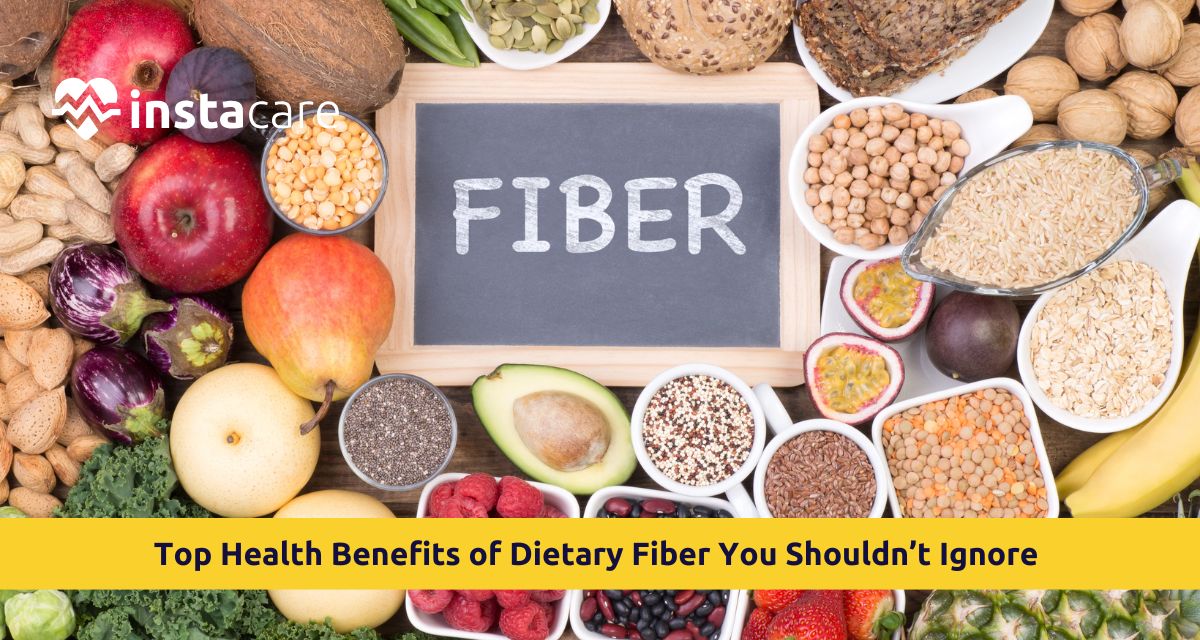
Fruits
- Apples and pears (with skin)
- Berries
- Oranges
- Bananas
Vegetables
- Broccoli
- Carrots
- Spinach
- Sweet potatoes
Whole Grains
- Oats
- Brown rice
- Whole wheat bread
- Barley
Legumes and Nuts
- Lentils
- Chickpeas
- Beans
- Almonds and chia seeds
These foods have been ranked as the best sources of fiber and they should be consumed regularly.
How Much Fiber Do You Need Daily?
The intake of fiber content is recommended to be as follows on a daily basis:
- Adult men: 30-38 grams per day
- Adult women: 21-25 grams per day
Most of the people are way below these levels in terms of consumption. Slow consumption of fiber in the form of whole foods is the most effective method of attaining the daily demand.
Tips to Increase Fiber Intake Safely
The amount of fiber to be taken should be done gradually since when it is done at once it becomes uncomfortable.
- Increase the use of fiber-containing foods progressively.
- Consume plenty of water in order to digest.
- Eat whole fruits instead of using juices.
- Replace refined grains with whole grains.
- Consume legumes two or three times a week.
What matters about fiber is that it is consistent and balanced to be in a position to maximize on its health.
Possible Side Effects of Too Much Fiber
Even though fiber is good, in excess especially in form of supplements, it can be problematic.
- Bloating and gas
- Abdominal cramps
- Constipation or diarrhea
- The reduced uptake of certain minerals.
To avoid having such issues, make use as much as possible of natural sources of food and eat them gradually.
Conclusion
Dietary fiber is an extremely vital nutrient that is required to facilitate digestion, weight control, heart diseases, and prevention of diseases. The advantages of the high fiber diet are too many to be disregarded, as far as health of the gut is concerned and the risks of developing chronic diseases are reduced. By carefully choosing the food rich in fiber and making sure that you get the needed dose of fiber in a day, you will be capable of improving your health and wellbeing to a tremendous degree.
Please book an appointment with the best Pulmonologist in Lahore, Karachi, Islamabad, and all major cities of Pakistan through InstaCare, or call our helpline at 03171777509 to find a verified doctor for your disease.