According to the CDC, heat cramps commonly occur when activities and sweat drain the body of electrolytes and water, lowering electrolyte and water concentrations in the body.
What are Heat Cramps?
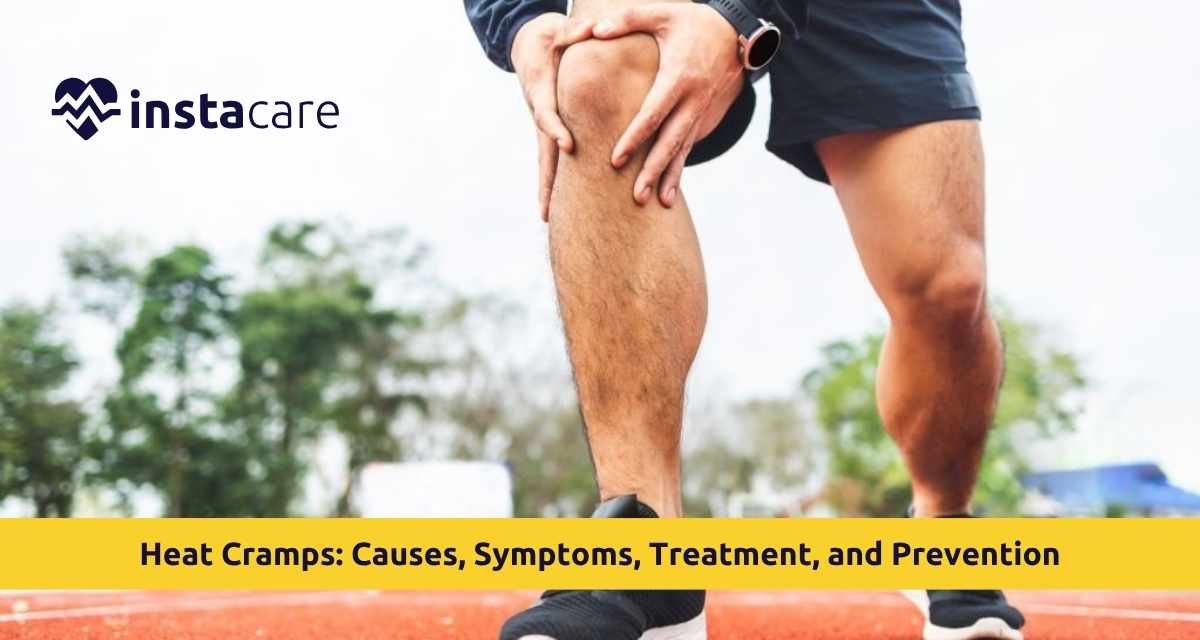
Heat cramps are brief, intense, sporadic contractions of the muscles. They can experience tight knots, sharp pain or spasms on the area of the problem. The cramps tend to occur in muscles that are under extensive use particularly when exercising or when labouring hard.
Commonly affected are:
- Legs
- Calves
- Arms
- Abdomen
- Back
- Shoulders
They may occur as long as the individual is still active, or it may also take the shape of appearing once the activity is no longer in operation. To illustrate this, a worker can be okay with working outside and then later on when resting, he experiences painful stomach cramps or leg cramps. According to Mayo Clinic, most frequently, the calves, arms, abdomen and back are affected by heat cramps, though any muscle group engaged in exercise may be affected.
What Is the Cause of Heat Cramps?
The common cause of heat cramps is the combination of heat, sweating, and loss of fluids and electrolytes. Sweats lose water, key minerals like sodium, potassium and chloride to name but a few. Those are the minerals that assist the muscles to contract and relax in the right manner. Muscles may cramp and become irritated when their levels decrease.
Common causes include:
- A lot of sweating when exercising.
- Not drinking enough fluids
- Exercising or working in hot weather
- High humidity
- Attired in heavy, or narrow, clothes.
- Lack of rest breaks
- Poor physical conditioning
- Sudden intense activity
- Not being used to hot weather
- Decreased intake of electrolytes during prolonged activity.
The high humidity is thus of particular concern since the evaporation of sweat becomes hard under those conditions. The skin must be cooled and therefore, sweat must evaporate. With humidity, sweat remains on the skin, the body cools the body less efficiently and the heat stress is greater.
Who is at the Greatest Risk?
Heat cramps may occur to anyone, although some individuals are more prone to heat cramps. Workers or outdoor exercisers are more at risk since they can usually sweat hours, long hours. According to the Cleveland Clinic, situations, which cause sweat cramps, are more probable to appear during the course of intensive physical activity in hot conditions and may go back unless the balance of fluids and electrolytes is restored.
At greater risk are people who:
- The sports players and athletes.
- Bodybuilders working out in hot weather.
- Construction workers
- Road workers
- Farmers and gardeners
- Delivery riders and out-of-doors at-staff.
- Hot spaces, hot factory / warehouse workers.
- Outdoor play of sports.
- Older adults
- Individuals that sweat profusely.
- When it is hot, those who are not accustomed to such weather.
People with heart problems or those on low-sodium diets should be extra careful. They are to consult the doctor in case the heat cramps appear or fail to disappear in a short time.
Heat Cramps Symptoms
The primary symptom of heat cramps is pain or spasm with muscles. Depending on the case, the pain can be mild, moderate or severe. Sometimes the muscle may feel hard to the touch. The cramps can be a few seconds or a few minutes long and can re-occur again provided that the person is still active too soon.
Common symptoms include:
- Painful muscle cramps
- Muscle spasms
- Hard or strained muscles.
- Abdominal, arm, or leg pain.
- Heavy sweating
- Thirst
- Tiredness
- Weakness
- Several discomforts are experienced after a workout or work.
The CDC also includes abdominal pain, pain, or spasms in the arms, or legs as common signs of heat cramps. It further points out that heat cramps could be an effect of heat exhaustion and thus, they cannot be overlooked.
Heat Cramps vs Heat Exhaustion
Heat cramps are typically thought of as being a simpler heat sickness, however, it may serve as a harbinger of the disease. In case the individual goes on working, exercising or staying in the heat, the condition can be as well progressed to heat exhaustion.
Typically heat cramps entail:
- Muscle pain
- Muscle spasms
- Heavy sweating
- Thirst
- Temporary weakness
- Heat exhaustion can include:
- Dizziness
- Headache
- Nausea
- Vomiting
- Heavy sweating
- Fast heartbeat
- Extreme tiredness
- Irritability
- Feeling faint
Heat exhaustion may happen when a person overworks in hot weather, and may include such symptoms as excessive sweating, headache, dizziness, nausea, and rapid pulse. Heat exhaustion may develop into life-threatening heat stroke unless treated.
Book ESR Test from Ayzal Lab – Get 20% Off
Heat Cramps First Aid
As heat cramps develop, they should be treated immediately. The individual must give up on act, go to a cooler environment, and go ahead to replace lost fluids and electrolytes. Prolonged activity may increase the symptoms.
The steps of first aid are including:
- Have a cessation of physical activity.
- Transfer to a cool or shady place.
- Rest, sit down or lie down.
- Drink water slowly.
- Take a sports drink or an electrolyte drink in case you have it.
- Take a small snack as required.
- Gently stretch the affected muscle.
- Gently rub the tight knot.
- Use a cool pack in case the muscle is painful.
Instead, it is advisable that one avoids engaging in hard activity within some hours.
Mayo Clinic suggests resting, cooling down, intake of clear juice or a sports drink containing electrolytes and a light stretching, or rubbing, of the affected muscle group. It also recommends that one avoids any vigorous activity for a few hours once the cramps have subsided.
What Not to Do?
Certain errors may cause heat cramps to become severe or cause another heat related illness.
Avoid the following:
- Stop exercising or working despite the pain.
- Do not drink alcohol.
- They should not take salt tablets unless they have been prescribed by a medical practitioner.
- Do not resume vigorous activity right after cramps have subsided.
- Neglect cramps that persistently reoccur.
- Never think that cramps are harmless in case of other signs.
The CDC recommends that workers with heat cramps consume water and have a snack or carbohydrate-electrolyte replacement beverage every 15-20 minutes and specifically recommends against using salt pills.
When to Get Medical Help?
The majority of the heat cramps are treated through rest, cooling, fluid, and light stretching. But in certain cases medical assistance might be required. Failure to improve cramps could be an indication of another more serious issue.
Get health care when you notice:
- The duration of cramps takes over one hour.
- Cramps keep returning.
- The person has heart problems.
- The individual is doing a low sodium diet.
- The person feels dizzy or faint.
- The victim constantly repeats the vomiting.
- The individual gets disoriented.
- The individual is very weak.
- The person develops signs of heat exhaustion or heat stroke.
The CDC suggests medical assistance when an individual has heart issues, or has a low-sodium diet, and when cramps fail to abate in an hour.
How to Prevent Heat Cramps?
A good hydration, rest and heat safety habits can often prevent heat cramps. Outdoor workers, athletes and people, who live in hot climates, should pay particular attention to prevention.
Positive preventive measures involve:
- Consume water prior to, throughout and following exercise.
- This is when long or intense activity is involved and it is at this time that electrolyte drinks should be taken.
- Have frequent rests in the shade or cool areas
- Do not go outside on the hottest days.
- Wear light-weight and loose, breathable clothing.
- Gain tolerance to heat slowly.
- Consume well-balanced meals that are sufficient in minerals.
- In outdoor work or physical exercise avoid alcohol.
- Pay attention to your body and cease when the cramps start.
- Pre-outdoor activity should check weather conditions beforehand.
There is no reason why people should wait until they get so thirsty. Thirst may be an indication of already beginning dehydration. Frequent consumption of small portions is normally more appropriate than consuming a huge portion at once.
Heat Cramps in Workers and Athletes
The heat cramps can be observed among the working population and athletes since it is usually accompanied by repeated physical movements in the hot conditions. As an illustration, when a construction worker is out lifting heavy materials, he may have abdomen or arm cramps. A summer time football player under training can develop calf cramps. The cramps in the legs may occur when the runner has had a long session in the humid weather.
In the case of workers and athletes, prevention must come prior to the commencement of activity. This can consist of planned water breaks, shaded rest areas, breathable clothing, and extended warm-up and electrolyte replacement during lengthy sessions. Team leaders, supervisors, and coaches should also be vigilant about the early signs of heat illness.
Conclusion
Heat cramps are painful muscle cramps that occur due to heat, excessive perspiration, dehydration and electrolyte depletion. They tend to impact on the legs, arms, abdomen, back, or other muscles that are involved during physical activity. Even though heat cramps can be a light warning to the body that it is under heat stress when compared to heat exhaustion or heat stroke, it remains a significant warning that the body is under heat stress.
Stopping activity and moving to a cool place, drinking fluids, replacing the electrolytes, stretching the body, and resting is the most appropriate response. When the cramps are longer than an hour, keep returning, or occur with dizziness, vomiting, confusion or extreme weakness, medical assistance is necessary.
Please book an appointment with the best Internal Medicine Specialist in Lahore, Karachi, Islamabad, and all major cities of Pakistan through InstaCare, or call our helpline at 03171777509 to find a verified doctor for your disease.