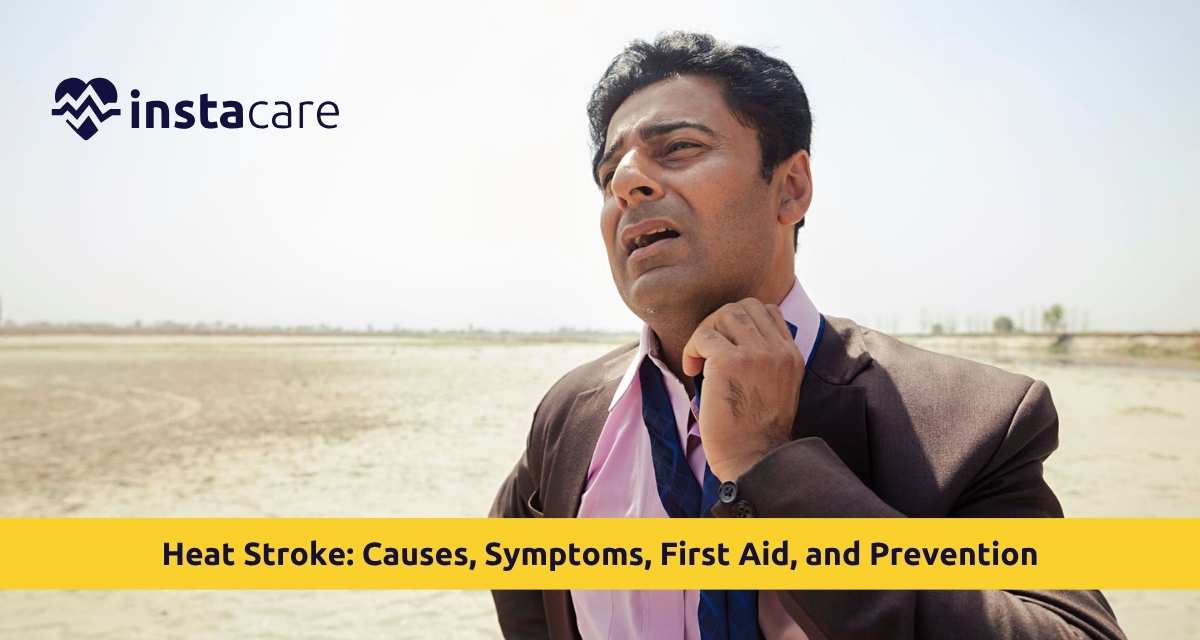
What Is Heat Stroke?
Heat stroke is a condition that arises as a result of ineffective temperature-control mechanisms in the human body. As a body should do, it heats itself up by releasing heat through the skin and through the process of sweating. In extreme temperatures, heavy humidity, dehydration or intense exercise, this cooling system might not be effective. This may lead to elevated body temperatures to a point that is potentially dangerous, usually about 104°F / 40°C or more.
There are two main ways that heat stroke can occur:
- Classic heat stroke: This is typically due to exposure to hot weather or staying in a hot environment too long.
- Exertional heat stroke: It occurs due to intense physical exertion, particularly in hot or drippy weather.
Both types are dangerous and need immediate medical attention.
Common Causes of Heat Stroke
Heat stroke often occurs when the body is subjected to a certain amount of heat, which is beyond its capacity to cope. It can occur abruptly, particularly amidst heat waves, outdoor activities, sports or excessive exposure of direct sunlight. The situation is worsened due to high humidity since the sweat would not evaporate easily, hindering the cooling process.
Common causes include:
- Spending longer hours outdoors in hot conditions.
- Exercise or sport during hot weather.
- Outdoor work without sufficient breaks.
- Dehydration on account of low fluid intake.
- Putting on heavy tight or not breathable clothing.
- Seating or sleeping in a hot poorly ventilated room.
- Some drugs that modify sweating or hydration.
- Unavailability of shade, fans or air conditioning.
Who Are the Most at Risk?
Heat stroke can be experienced by anyone, but there are people who are more susceptible to heat stroke. According to WHO, people living with chronic conditions should beware of risks that heat may cause, such as cardiovascular conditions, respiratory conditions, kidney conditions, diabetes-related conditions, and mental health conditions. Seniors, children, and expectant women, those who work outside or engage in sports and leisure activities also require additional protection during hot weather.
An individual who has a greater risk is:
- Elderly individuals particularly those who are more than 65.
- Babies and young children
- Outdoor workers
- Athletes and gym-goers
- Individuals with the heart, lung, kidney, or diabetes conditions.
- Individuals who are on some drugs.
- Individuals who do not have access to cooling.
- Individuals that reside alone when it becomes extremely hot.
Symptoms of Heat Stroke
Early identification of heat stroke can prevent a death. The change of mental state (confusion, agitation, slurred speech, seizure or unconsciousness) is one of the most significant warning signs. According to Mayo Clinic, a high body temperature, changes in behavior, changes in sweating, nausea, redness of the skin, rapid breathing, and increased heart rate are important symptoms.
Common symptoms include:
- Extremely large body temperature.
- Bafflement or out of the ordinary behaviour.
- Slurred speech
- Dizziness or fainting
- Seizures
- Loss of consciousness
- Hot, red, dry or wet skin.
- Fast heartbeat
- Rapid breathing
- Nausea or vomiting
- Severe headache
- Weakness or collapse
An individual with heat stroke can fail to cease sweating. Even in heat stroke (physical activity) the level of sweating can remain excessive. This is the reason why confusion, collapse and extremely high temperatures of the body are particularly significant warning signals.
Book Urine C/E Test from Khan Lab – Get 20% Off
Heat Stroke vs Heat Exhaustion
The presence of heat exhaustion is severe but more life-threatening is heat stroke. Heat exhaustion may occur initially, and may develop into heat stroke unless the person is rapidly cooled. The list of symptoms of heat exhaustion, given by CDC, includes the following: headache, nausea, dizziness, weakness, irritability, thirst, extensive perspiration, heat.
The symptoms of heat exhaustion might include:
- Heavy sweating
- Headache
- Dizziness
- Weakness
- Thirst
- Nausea
- Irritability
- Muscle cramps
- Tiredness
The symptoms of heat stroke can be inclusive of:
- Confusion
- Fainting
- Seizure
- Unconsciousness
- Extremely high body temperature.
- Hot skin
- Rapid heartbeat
- Slurred speech
The primary distinction is the extent. In case the individual gets lost, unconscious, has a seizure or is unable to drink, this should be considered as an emergency.
First Aid for Heat Stroke
Heat stroke is an emergency that requires immediate attention. It is not sufficient to administer home treatment. Mayo Clinic recommends medical assistance, which is an emergency, and cooling down the individual until medical assistance arrives.
Should there be any possibility of a heat stroke
- Dial emergency services.
- Shuffle the individual to a cool or shaded area or air-conditioned space.
- Remove extra clothing.
- Use cold water, wet towels or a cold shower to cool the person.
- Blow the individual and spray some water at the same time.
- Apply ice packs or damp wet towels on the neck, armpits and the groin.
- Leave the person alone.
- There is no need to force fluids in case the individual is unconscious, disoriented, vomiting or cannot swallow safely.
Mayo Clinic suggests cooling like a cool bath or shower, spraying with water, sponging with cool water, fanning and misting, and placing ice packs across the neck, armpits and groin.
How to Prevent Heat Stroke?
The majority of the cases of heat stroke are preventable through staying cool, taking appropriate amounts of fluid and exposure to extreme cases of heat. Some of the advice that CDC gives to people during the hot weather is to keep cool, stay hydrated, and learn the symptoms of heat illness.
The aspects of prevention that help to be used include:
- Take water as often as you can, even when you do not feel thirsty.
- Do not engage in the hottest hours of the day when outside.
- Have loose light breathable clothes.
- Have frequent rests in shady or cool places.
- When available, use fans, air conditioning, or cool showers.
- Consider not discussing heavy meals prior to outdoor activities or exercises.
- Wear sunscreen, hats and sun glasses outdoors.
- Monitoring of elderly, children, and frail family members.
- Do not leave children, old people or pets in parked cars.
WHO further advises against strenuous exercise during the hottest period of the day, stay in the shade, spend time in cool places and keep abreast with official heat warnings.
Why Heat Stroke Should Never Be Ignored?
The condition of heat stroke can escalate very quickly. The initial symptoms can be exhaustion, vertebral web-sensation, or a feeling of heat, but within a short period of time, the symptoms may become extremely severe. When confusion, fainting, seizure, or unconsciousness is evident, emergency medical attention must be sought. It is necessary to cool as soon as possible as emergency support is awaited. Both CDC and OSHA emphasize that signs of danger of the heat stroke are altered mental state, seizures, unconsciousness, and very high body temperature.
The best way to do it is to do it as soon as possible. In case a person feels ill when it is hot in the air, take them to a place where it is cool and help them to rest. In case symptoms are serious, consider it as an emergency.
Conclusion
Heat stroke is a life threatening condition that is brought about by inability of the body to regulate the temperature. It may occur during heat waves, outdoor tasks, sport or even within hot indoor places. Confusion, fainting, seizure, unconsciousness, fast heartbeat and extremely high body temperature are signs of serious warnings. Heavy complications could be prevented by quick first aid and emergency medical care. It is also necessary to prevent it: hydration, avoiding high temperatures, appropriate clothing, frequent rest, and protection of vulnerable individuals during high temperatures.
Please book an appointment with the best Internal Medicine Specialist in Lahore, Karachi, Islamabad, and all major cities of Pakistan through InstaCare, or call our helpline at 03171777509 to find a verified doctor for your disease.