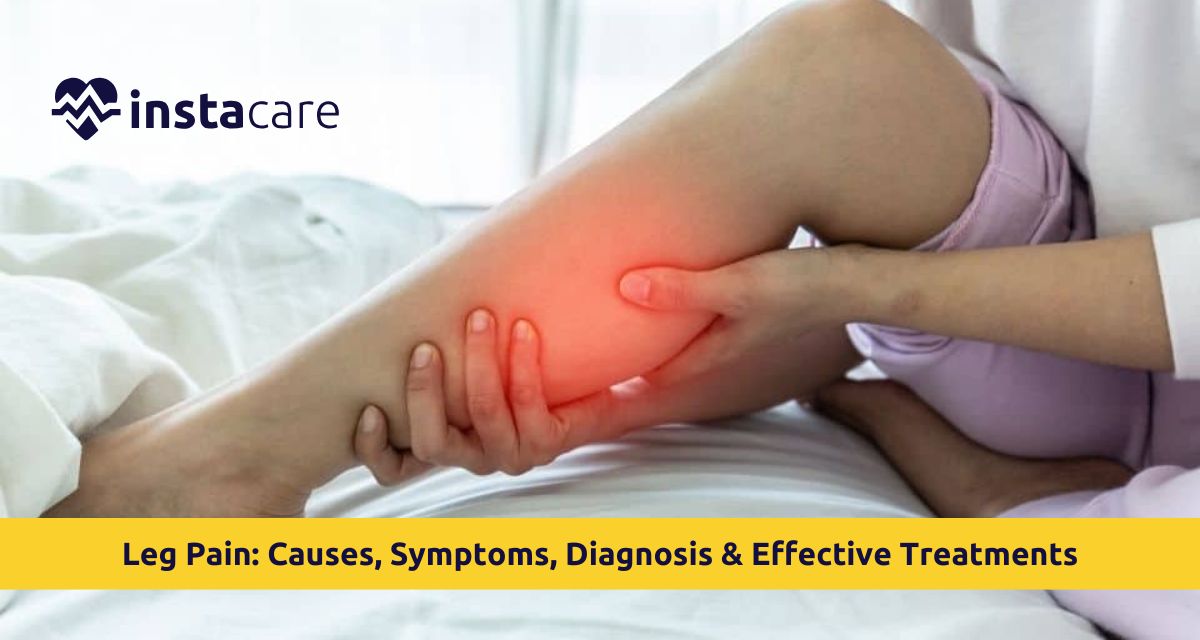
Learn What Leg Pain Is
Leg pain refers to any pain or aching in your thigh or lower leg. It can be shooting or dull, constant or intermittent. Leg pain may be in both legs or one leg, and it can occur at rest, with activity, or at night. Muscle pain in legs is the most common among them, and joint, blood vessel, nerve, or bone is the cause of other leg pains. Determination of the cause of pain is the first and most important step towards proper therapy.
Common Causes for Leg Pain
There are many reasons for leg pain that vary from benign muscle strain to disease-modifying illness. A few of the most common reasons people feel leg pain are described below.
1. Overuse Cramps
More commonly referred to as a leg ache or "charley horse," leg cramps and pain are usually felt following exertion or at night. The contributory cause factors can be overuse, weakened muscles, dehydration, or electrolyte imbalance.
2.Strain or Injury
- Spraining, straining, or tearing of muscles and ligaments most often is the cause of acute leg pain.
- Overuse, poor body mechanics, or improper exercise technique are the most common causes.
3. Nerve Disorders
- Sciatica: Compression of the sciatic nerve is the cause of pain from the lower back to the legs.
- Peripheral neuropathy: Diabetic; numbness, tingling, or burning of the legs.
4. Vascular Disorders
- Deep vein thrombosis (DVT): Clot in deep vein causing leg pain and swelling. Medical emergency.
- Peripheral artery disease (PAD): Narrowing of the artery reduces blood flow, and pain in the leg or calf that happens with walking and eases with rest.
5. Joint and Bone Disorders
- Arthritis will result in ankle, knee, or hip pain chronically.
- Overuse stress fractures, especially the jogger or athlete.
- Osteoporosis will result in leg pain and associated bone loss.
6. Infection or Inflammation
- Infection or inflammation of the skin or cellulitis may result in swelling, redness, and tenderness.
- Tendonitis or bursitis may cause to joints and overlying soft tissue.
7. Chronic Conditions
- Chronic disease like diabetes, arthritis, or circulatory disease may result in chronic leg pain.
- Varicose veins result in pain and heaviness in legs following standing for a long time.
Symptoms of Leg Pain
Symptoms of leg pain depend on the cause. The most common ones are:
- Dull or Sharp pain in leg
- Burning or tingling
- Throbbing or cramp
- Stiffness or weakness
- Swelling or inflammation
- Numbness or feeling of heaviness
- Worse with use or at night
The pain can be localized (in one place) or travel along the path of the leg, for instance, with sciatica.
Read More: Leg Spasm Causes Treatment and Prevention
Diagnosis of Leg Pain
Great leg pain diagnosis begins with great physical exam and medical history. Your doctor will inquire:
- When did you develop it?
- Is it worse on nights or on use?
- Is there swelling or color change?
- Did you become sick suddenly or are you injured?
Your doctor can utilize the following to diagnose:
- X-rays: to see if there are any breaks or abnormalities of the joints
- MRI or CT scans: to visualize the soft tissues and nerves as a whole
- Ultrasound: to see if there is a vascular disease or blood clot
- Blood work: to see if there is an inflammatory disease or infection
- Nerve conduction studies; to see if there is compression or damage to the nerve
It is all about finding out where the pain is coming from, from the muscles, bones, nerves, or blood vessels, and then treating it accordingly.
Effective Treatments for Leg Pain
Correct Leg pain treatment varies depending on the cause. Below are some of the most common treatments:
1. Home Treatment
For pain caused by mild strain or tightness:
- Rest and rest from heavy exercise
- Icing on the injured area to prevent swelling (15–20 minutes q. few hours)
- Elevation to prevent swelling of lower leg pain
- Immobilization with compression bandages
- Heat (for spasm of muscle tightness or stiffness)
2. Medication
- Analgesics ibuprofen or acetaminophen
- Muscle relaxants for spasm
- Antibiotics for infection like cellulitis
- Blood thinners for DVT (as directed by physician)
- Prescription pain medication for pain of nerve injury (e.g., gabapentin)
3. Physical Therapy
- Beneficial in chronic pain of leg or rehabilitation from injury
- Soothing of the muscle, flexibility enhancement, and returns range of motion
- Specific exercises will alleviate arthritis or sciatica pain
4. Lifestyle Changes
- Stretching and warm-up before exercise
- Weight reduction to reduce pressure on joints
- Fluid and nutritional weight reduction to prevent cramping
- Quit smoking to enhance circulation
5. Surgical Treatment
- Operation in case of a fracture, slipped disk, or circulatory disease
- Vein surgery (sclerotherapy) to remove varicose veins
- Injections (e.g., cortisone) to treat swelling in the joint
- Always consult a health professional before treatment, especially if your symptoms are severe or long-standing. (Severe leg pain causes)
Know When to Go to the Doctor with Leg Pain
Leg pain is usually minor and can be treated at home, but there are some symptoms that should prompt a doctor to take a look. When to see a doctor for leg pain includes:
- Sudden leg pain and severe leg pain without trauma
- Leg pain, swelling, redness, and heat (suspicious DVT)
- Pain accompanied or with accompanying chest pain or shortness of breath
- Leg weakness or numbness
- Progressive or persistent pain following rest and home treatment
- Night pain in the leg that disturbs sleep on a daily basis
- Infection, skin ulcer, or open wound
It can complicate by failing to receive medical treatment, especially with blood clots, infection, or nerve compression.
Conclusion
Leg pain is a common state of health, and the cause is minor to serious. Regardless of your leg muscle ache, leg chronic ache, circulatory pain, or nerve ache, understanding what your symptoms are may enable you to do the appropriate thing.
Learn what's causing your leg pain, how to manage your symptoms, and how to get yourself to the doc so you can be on your feet again. Don't brush off persistent or worsening pain, proper diagnosis of leg pain is the road to recovery.
Please book an appointment with the best Orthopedic Surgeon in Lahore, Karachi, Islamabad, and all major cities of Pakistan through InstaCare, or call our helpline at 03171777509 to find the verified doctor for your disease.