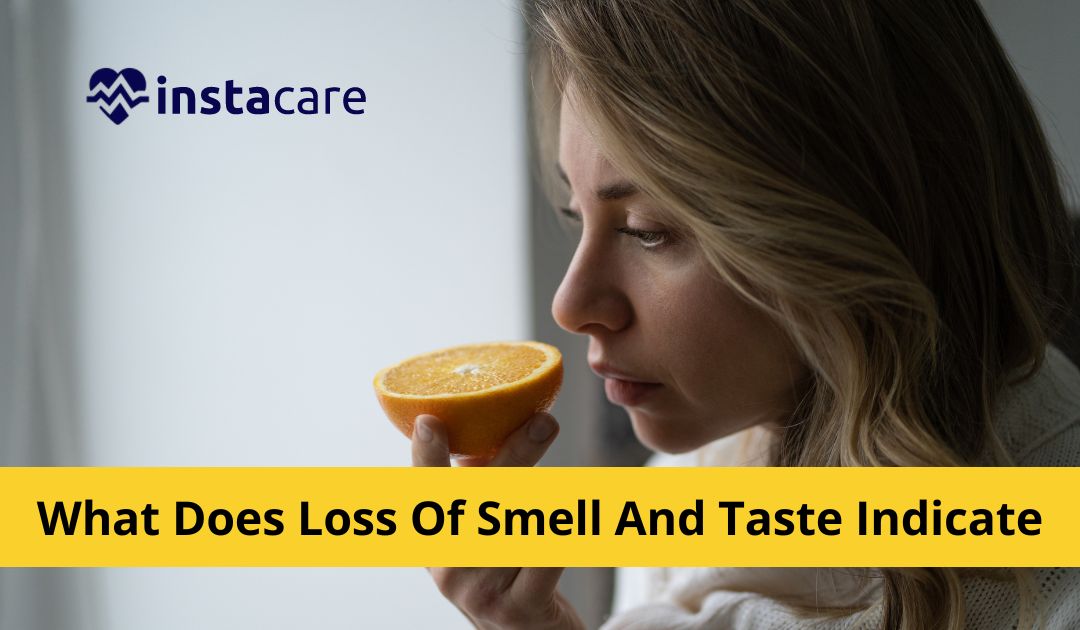
Despite being two different senses, taste and smell are tightly related. Since the mouth and nose are related, taste and smell sensations frequently get to the brain simultaneously. It is impossible to pinpoint the extent to which taste and smell interact. Still, anyone who has experienced a loss of either or both of these senses is aware of how interconnected they are.
Loss of taste and smell has received attention because covid-19 symptoms might include them. However, a variety of different illnesses can result in a loss of smell or loss of taste in covid. Here are some things that can cause a loss of taste and smell.
Causes of loss of taste and smell
Viruses that cause the cold and flu: humans are exposed to viruses that cause the common cold and flu through their mouths and noses, such as the rhinovirus and common human coronaviruses (different from covid-19). The nose may enlarge as a result. They may cause enough harm to the nose's lining enough to cause a temporary loss of smell for certain people. But the majority of people eventually heal. Generally speaking, once the infection has cleared up, you'll resume taste and usually smell.
Conditions of the brain or nervous system: a signal must travel from receptors in your nose, via the olfactory nerve, to your brain to detect the smell. This process can be hampered by illnesses that impact the nerve and brain systems, which results in a loss of scent. These include diabetes, alzheimer's disease, and parkinson's disease.
Covid-19: compared to other illnesses, covid-19 has a different impact on taste and fragrance. As a result of nasal congestion brought on by a cold or the flu, your sense of smell may be diminished. In the case of covid, the infection targets the olfactory receptors. Because of this, patients with covid can suffer the loss of smell without having congestion. Covid causes loss of smell early on, even before congestion arises.
Chemicals, smoking, and drugs: smoking and exposure to specific chemicals can all affect one's sense of smell. The use of pesticides, recreational drugs, and smoking can all impair your sense of taste and smell.
View More: 12 Amazing Cucumber Lemon Water Benefits
Age: as you become older, your ability to taste and, in particular, smell things may decline or change. It's a typical side effect of becoming older. In general, only approximately 2% of people experience smell-related difficulties, but among men and women in their 60s, this percentage rises to roughly 25% and 10%, respectively. Changes to your olfactory system may impact how you experience taste because of the relationship between the perception of smell and flavor. After age 50, taste senses also start to deteriorate.
Hormone changes: for cisgender females, hormones can impact a person's sense of smell. Because progesterone and estrogen both affect the olfactory system, changes in hormone levels—during a menstrual cycle, during pregnancy, or after menopause—affect how you perceive smells.
Treatment for loss of taste and smell
Speak to a healthcare provider if you lose taste or smell. They will attempt to determine what led to your loss. What kind of therapy is applied will depend on that.
If a medical condition caused your loss, treating it may help you regain your sense of smell. This could entail switching prescriptions, receiving congestion relief, or starting an allergy medicine.
You may have to wait for your sensations of taste and smell to come back in other circumstances, such as with covid-19 or a concussion. While it's not uncommon for people to spontaneously regain their sense of taste and smell, the conditions occasionally become irreversible.
View More: 12 Amazing Dragon Fruit Benefits
Conclusion
Whatever the cause, being unable to smell or taste can be stressful. One of several potential causes of dysfunctional smell and taste is covid-19. Most of the time, there are solutions to restore your ability to taste and smell usually. Make sure to get tested if you suddenly feel a loss of taste or smell and suspect covid-19.
Please book an appointment with the best Nutritionist in Lahore, Karachi, Islamabad, and all major cities of Pakistan through InstaCare, or call our helpline at 02137136090 to find a verified doctor for your disease.