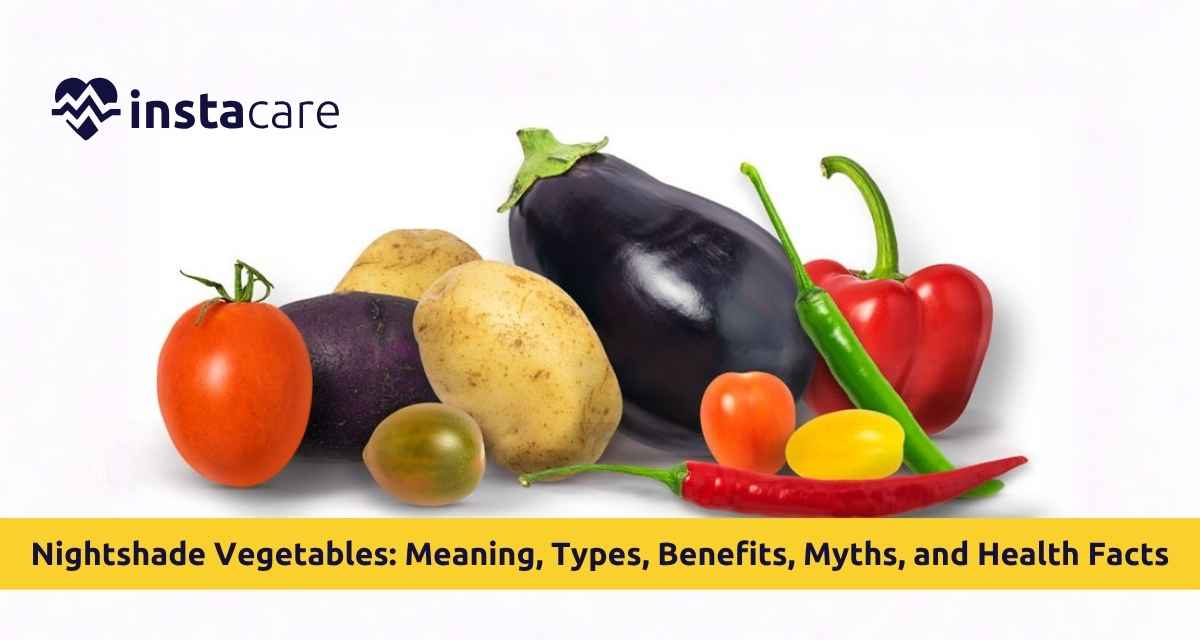
The proper identification and understanding of nightshade vegetables is essential for the majority of scientific studies and for the dismantlement of many internet myths. Nightshade foods are a dense source of many nutrients and thus, are a featured staple of healthy cuisines and diets, including the Mediterranean diet.
What Are Nightshade Vegetables?
Nightshade vegetables belong to the Solanaceae family of plants. This family includes many edible and non-edible plants. While some of the family are poisonous plants (such as belladonna), the vegetables that are consumed are safe.
Edible nightshades include:
- Tomato
- Potato
- Eggplant
- Bell pepper
- Chili peppers and paprika
Nightshades are important food components in the cuisines of Asia, Europe, the Middle East, and the Americas.
Nutritional Value of Nightshade Vegetables
Nightshade vegetables are important foods, or, highly nutrient dense.
Some important nutrients are:
- Vitamins: Vitamin C, Vitamin A, Vitamin K, and the B vitamins
- Minerals: potassium, magnesium, and manganese
- Antioxidants: lycopene, beta-carotene, and anthocyanins
- Good gut health: supported by fiber
- Lycopene is found in tomatoes and is an important antioxidant for heart health. Bell peppers provide ample amounts of vitamin C.
Health Benefits of Nightshade Vegetables
Nightshade vegetables provide many health benefits.
- Heart Health: Antioxidants found in tomatoes and peppers may help support heart health.
- Anti-Inflammatory: When included in a balanced diet, nightshades may help decrease inflammation.
- Eye Health: Good vision is supported by beta-carotene found in bell peppers and tomatoes.
- Weight Management: Nightshades' high fiber content and low calories increase satiety which may help manage weight.
- Digestive Health: Bowel movements and gut health may benefit from increased fiber.
The Nightshade Myth: Do They Cause Inflammation?
Many people believe nightshade vegetables cause inflammation or worsen arthritis, but evidence does not support this for the majority of people.
- The main concern comes from the alkaloids, such as solanine, which are present in nightshade vegetables. These can be toxic in large amounts, but the levels typical in a normal diet are safe.
- Research does not support a connection between nightshade vegetables and inflammation in the majority of the population.
- A very small subset of people with certain sensitivities may experience the following:
- Digestive irritation, Joint pain (rare and not identified by large evidence based studies), and allergic-like reactions.
- In these cases, nightshades may be helpful when removed as a trigger food during a diet prescribed by a physician.
Book Osmolality (Spot Urine) Test from Dr. Essa Lab & Get 20% OFF
Common Concerns About Nightshade Vegetables
Are all Nightshades poisonous?
Only some Nightshade plants in the wild are considered dangerous, while common vegetables that are Nightshades, like tomatoes and potatoes, are safe when grown and cooked properly.
Do Nightshades increase the symptoms of arthritis?
There is not enough scientific research to prove Nightshades make arthritis worse. Many people with arthritis eat Nightshades without problems.
Are green potatoes safe to eat?
No, green or sprouted potatoes should not be eaten because they have high levels of the toxin solanine.
Is it bad to eat Nightshades?
No, Nightshades are good when eaten as a part of a healthy diet and do not need to be avoided.
Who Might Have a Problem with Eating Nightshades?
Most of the general population is fine eating Nightshades, but a small number of people choose to eat less of them if they experience certain symptoms.
Nightshades may be avoided by some of the following people:
- Some Autoimmune Conditions
- Irritable Bowel Syndrome (IBS)
- Some Food Sensitivities and Intolerances
Avoiding Nightshades should not be a long term goal of these people. Eating Nightshades should be avoided only if the person receives a medical recommendation and is being monitored.
Cooking Nightshade Vegetables
Nutrition and safety of nightshade vegetables when cooked:
- Potatoes should be cooked thoroughly to cut down on glycoalkaloid levels.
- The skin and green parts of potatoes should be removed.
- Vegetables should be roasted, grilled, or steamed instead of fried.
- Healthy fats such as olive oil should be added to vegetables for healthy fat absorption.
- Potatoes should be stored in a cool, dark area to avoid greening.
Nightshade Vegetables Around the World
Nightshade vegetables are important for many beloved recipes around the world:
- Nightshade vegetables are essential to Italian dishes of tomato sauce, pizza, and pasta.
- Nightshade vegetables are vital to Middle Eastern stuffed pepper recipes and eggplant dip.
- Nightshade vegetables are South Asian curry recipes that use chilies.
- Vegetables roasted with ketchup and fries are American recipes that use nightshade vegetables.
- Without nightshade vegetables, many recipes around the world would lack color and flavor.
Conclusion
Nightshade vegetables such as tomatoes, potatoes, eggplants, and peppers are healthy, common and safe for the majority of people. They do contain a low level of alkaloids and other natural compounds which are not harmful to the diet. There is very little evidence to support that nightshade vegetables are inflammatory. For most people, including a variety of nightshade vegetables in the diet is a great way to support health, provide nutrients, and diversify meals. Nightshade vegetables may need to be limited in a diet, but only under professional advice. This is only for individuals with specific sensitivities.
Please book an appointment with the best Nutritionist in Lahore, Karachi, Islamabad, and all major cities of Pakistan through InstaCare, or call our helpline at 03171777509 to find a verified doctor for your disease.