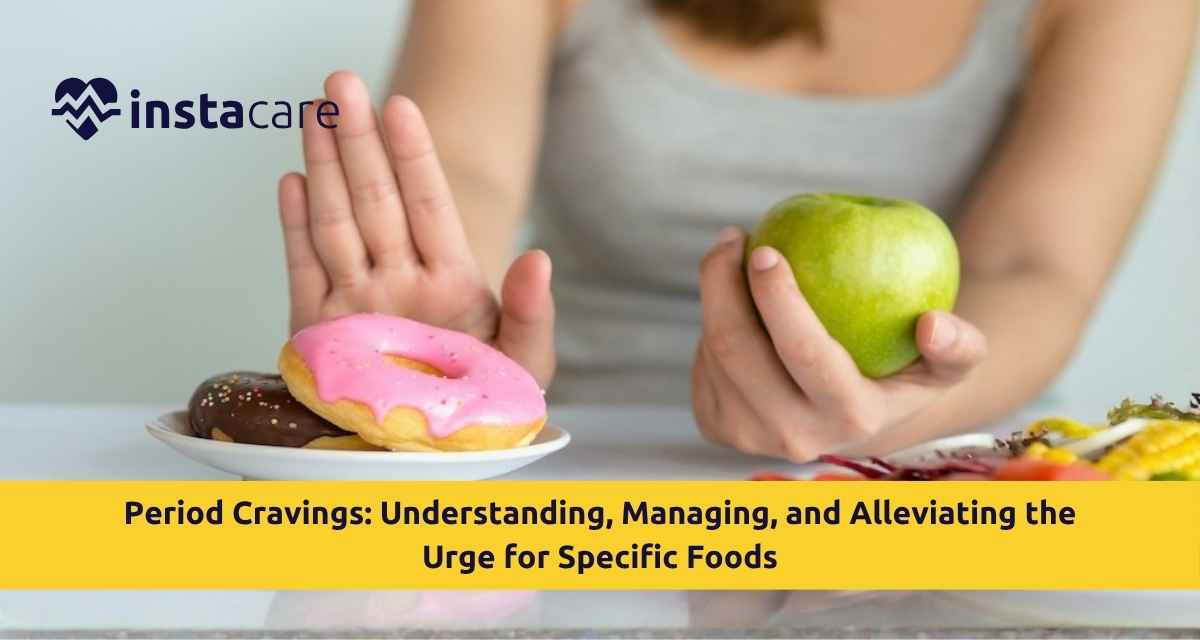
What are Period Cravings?
Period cravings are extreme cravings or urge to eat certain foods either in the premenstrual period or during menstruation. Such cravings have been believed to be associated with the hormonal changes that happen during the menstrual cycle and it is a fact that many women tend to have an acute food craving and mood swings as well as emotional fluctuations around the time of the menstrual cycle.
During the menstrual cycle, hormones like estrogen and progesterone fluctuate thus affecting level of energy, mood and appetite. In the second half of a menstrual period, particularly the days before a menstrual period, the body experiences many changes in hormones that might make it hungerier or change food preferences.
The Science Behind Period Cravings
Given the existence of period cravings, we have to look at the hormonal transformations that occur during the menstrual cycle, to grasp what is occurring.
Hormonal Shifts
During the menstrual period, the levels of estrogen and progesterone vary and this influences the mood and appetite. The levels of estrogen increase before ovulation and they lead to a sense of energy and motivation. But, once the ovulation process has occurred, the level of progesterone rises, and the body is ready to conceive a baby. Non-occurrence of pregnancy lowers the level of progesterone which causes shedding of the uterine lining (menstruation).
The hormonal disturbance is capable of inducing cravings. An increase in progesterone may lead to an increase in appetite, especially to comfort foods such as chocolate or fatty salty foods. Furthermore, the estrogen depletion prior to menstruation may also result in reduced levels of serotonin which may cause sadness or irritability, leading to the craving of high-carb foods that can increase serotonin levels.
Blood Sugar Levels
Sugar cravings during periods may be also triggered with the change in the levels of blood sugar during the period of menstruation. With a reduction in estrogen and progesterone, the body might want to consume added sugar or starchy foods as a way of stabilizing the levels of the blood sugar. All these cravings can also be connected to the reduced sensitivity of insulin, which will make the body feel the desire to eat foods based on high calories to provide fast energy.
Magnesium Deficiency
Some women can develop a deficiency of magnesium, especially in the menstrual period which can also lead to cravings. Magnesium is also involved in the control of blood sugar and mood and a deficiency of magnesium can cause an individual to have cravings towards high sugar or high carbohydrate foods.
Psychological and Emotional Triggers of Period Cravings
Although hormonal fluctuations are the most important contributor to period cravings, emotional and psychological stimuli can contribute to it as well. During their periods many women feel more languid and these days they have manifestations such as mood swings, irritability, or stress. Such feelings may result in cravings as a way of comforting or relieving stress.
One example is chocolate, which is a frequent food at these times due to its compounds that have the capability of increasing endorphins and serotonin levels to stimulate the feelings of happiness and calmness. Comfort foods eaten could also have an emotional impact with women responding to the physical pain or fluctuations in mood during menstruation.
Common Foods Women Crave During Their Periods
Some of the foods tend to be craved during menstruation and they tend to include the following:
- Chocolate: Chocolate is one of the most popular period cravings, but chocolate has magnesium and this may help in relieving cramps. It is also known to increase the levels of serotonin, thus is a preferred drug among individuals in need of comfort.
- Salty Snacks: In that time of menstruation, there are women who develop a craving to eat salty foods such as chips or pretzels, and fast food. This may be because of a decrease in the sodium level or the body may want to retain more fluid.
- Carbohydrates: Carbs are what a woman desires to eat around her menstrual time: pasta, bread, rice. These carb-rich foods have the potential to elevate serotonin levels that may enhance mood and decrease stress.
- Ice Cream or Dairy products: Dairy products are good sources of calcium, and this calcium may help reduce certain symptoms of menstruation, such as cramps and muscle tension. Especially, ice cream is especially a comforting cuisine that not only offers emotional fulfillment but also physical.
- Fruits and Vegetables: Although the desire to eat unhealthy foods can be normal, some women can get a craving to eat fruits, including bananas, which contain high levels of potassium, preventing bloating and cramping.
Tips and Strategies to Control Period Cravings
Although during menstruation, having cravings is normal, it is crucial to handle them in a manner that does not harm the emotional and physical health. The following are diet tips for menstruation to deal with period cravings:
1. Eat Balanced Meal
Don't only eat healthily and in balance during your period but also for the rest of the month. Properly cooked meals that contain sufficient protein, good fats and fibers can be used to balance blood sugar levels, hunger and cravings.
2. Stay Hydrated
In some cases dehydration may be confused with hunger. This can be done by drinking much water in the course of the day in order to stay hydrated, preventing cravings. Tea Pot remedies like chamomile tea or ginger tea can also be used to sooth the body and prevent menstrual cramps.
3. Manage Stress
Stress and emotional stimuli may be a cause of your Menstrual cycle food cravings so you need to find ways of dealing with stress in your period. Mindfulness meditation, the art of deep breathing or Yoga can be used to relieve stress and decrease the desire to eat more.
Book your lipid profile at Dr. Essa Lab with 20% discount.
4. Choose Healthier Alternatives
When feeling like eating chocolate or chips, instead you may eat healthy snacks for PMS such as dark chocolate (it contains magnesium and antioxidants), air-popped popcorn, or fruit and nut bars. These alternatives will not add to the undesirable consequences of the resultant over consumption of junk food.
5. Exercise Regularly
The exercise assists in the hormonal regulation, stress and more stabilize blood sugar. Light tennis exercises such as walking, yoga or swimming can also help in periodic cramps and help in better mood, leading to no need of comfort foods.
6. Get Enough Sleep
Sleep deprivation may also result in more cravings and especially high fat and sweet foods. Get a good sleep between 7-9 hours or so every night to promote good health and reduce the severity of cravings.
7. Consider Supplements
In case your cravings are connected to the deficiencies (like magnesium or iron), take into consideration some supplements with the help of a medical professional. Foods rich in magnesium, such as almonds, spinach, and avocados, are also effective to relieve cravings.
Conclusion
Period cravings are a natural response of the menstrual cycle, which is caused by hormonal variations, emotional factors and the physical needs of the body. Though consuming comfort foods is alright when taken in small portions, one should also keep craving levels in check through a well balanced diet, hydration and stress control. By knowing the causes of these cravings and adopting healthy strategies, women will be able to navigate their menstrual cycle with a lot less pressure and disruption by unhealthy eating habits.
If period cravings are severe or affecting your daily life, consider consulting a qualified gynecologist to rule out hormonal imbalances and get personalized guidance for better menstrual health.
1. Dr. Bushra Adil - Gynecologist
2. Prof. Dr. Fouzia Yasmeen - Gynecologist
3. Prof. Dr. Ambreen Akhtar - Gynecologist
4. Asst. Prof. Dr. Uzma Naz - Gynecologist