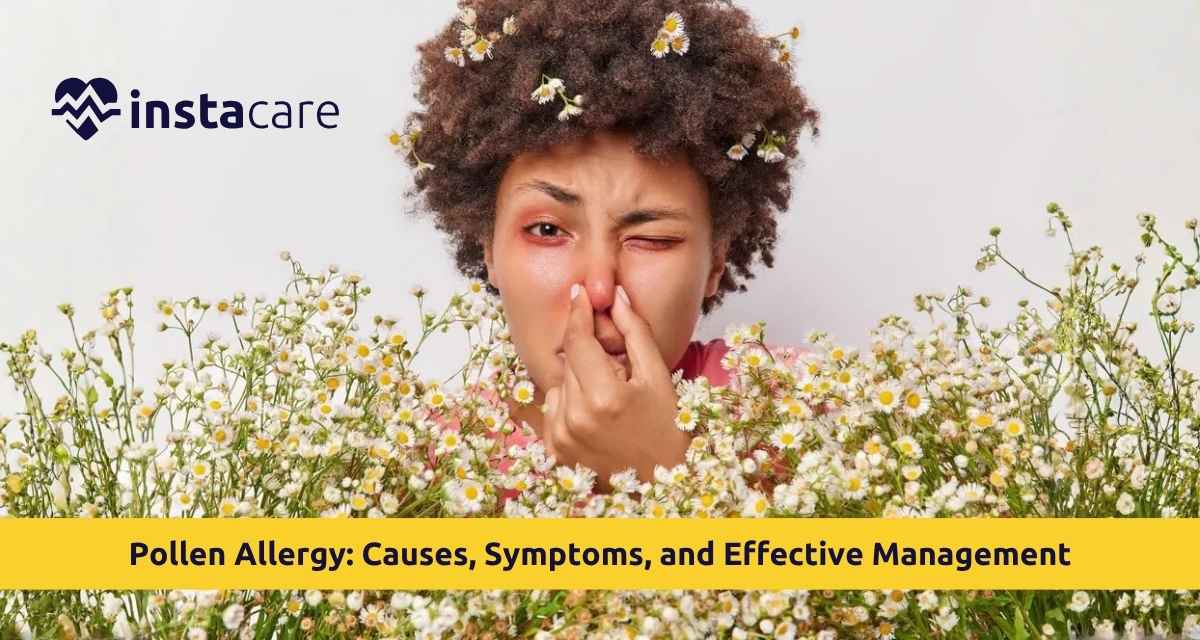
Knowing all about pollen allergy, its causes, symptoms and treatment can enable you to mitigate the effects and live a better life, particularly during the peak seasons.
What is Pollen Allergy?
Pollen allergy affects the immune system that mixes pollen as an undesirable item and emits chemicals such as histamine to combat. This immune reaction causes inflammation of nasal passages, eyes and respiratory system. This is a seasonal condition in most instances, with the symptoms manifesting at certain periods of the year where some plants pollinate.
Key Characteristics
Our radon-allergic people tend to find some recurring symptoms every specific month of the year. These patterns may be used to determine the kind of pollen, which is causing the reaction.
- Caused by airborne pollen.
- Seasonal in nature
- Attacks the nose, eyes and throat.
- Can be mild or severe.
Types of Pollen Allergies
There are two types of Pollen Allergies.
Seasonal Patterns
The various plants produce seasonal allergies pollen at different times of the year and hence hold different periods of allergy. Being aware of these patterns will allow you to plan ahead.
Common Types
The different kinds of the pollen allergy have certain associations with plants and seasons.
- Allergy to tree pollen (spring): Trees such as oak, cedar and birch cause it.
- Pollen (what grasses happen to be allergenic): Bermuda, and Rye grasses (late spring to summer).
- Weed pollen allergy (late summer-fall): It can be caused by weeds such as ragweed.
Being aware of your trigger will be helpful.
Causes of Pollen Allergy
Allergy to pollen happens because the immune system is over active. The body reacts negatively to harmless materials such as pollen, instead of responding by ignoring them and leading to allergic reactions. Genetic malleability as well as environmental exposure are two factors that promote this allergy.
Common Triggers
Some illnesses may put someone at a higher risk of being exposed to pollen and aggravate the symptoms.
- Large amounts of pollen in the atmosphere.
- Blowing wind dispersing spores.
- The exposure to outdoor activities during peak times.
- Residing in farmland or rural places.
Micro exposure may result in reaction amongst sensitive individuals.
Symptoms of Pollen Allergy
Pollen allergy symptoms may impact on various parts of the body and can be confusing with those of a cold, although their symptoms are long lasting and periodic.
Typical Signs
- Frequent sneezing
- A runny nose or stuffy nose.
- Itchy nose and throat
- Red, watery eyes
- Postnasal drip
- Fatigue
The symptoms can have different degrees of intensity on the basis of pollen levels and the sensitivity of a person.
Severe Symptoms
Pollen allergy may impact breathing and wellbeing in certain situations.
- Wheezing
- Chest tightness
- Difficulty breathing
During allergy seasons, asthmatics might experience an increase in symptoms.
Book your Platelet Count test at Pak Care Lab and get an exclusive 20% discount.
Diagnosis of Pollen Allergy
Medical Assessment
In case of persistent symptoms or interference with everyday life, it is advisable to seek medical attention. Diagnosis aids in recognition of particular triggers and informs treatment.
Diagnostic Methods
A combination of tests and medical history of a patient is used by doctors to confirm allergy caused by pollen.
- Skin prick test to determine allergens.
- Immunological tests to check immune response.
- Analysis of pattern of symptoms seasonally.
With proper diagnosis, focused and effective management will be achieved.
Treatment and Management
Medication Options
The pollen allergy treatment is therapy centered on lessening the symptoms and avoiding allergic responses. In mild to moderate cases, medications can be helpful.
Common Treatments
- Antihistamines to stop sneezing and itching.
- SBDs to decongest the nose.
- Nares sprays to decrease inflammation.
- Irrigating eye drops.
These remedies can considerably enhance discomfort in the time of allergy.
Lifestyle Changes
Pollen exposure and minimization of symptoms can be supported through simple lifestyle changes.
- Keep indoors when there is high pollen.
- Keep windows closed
- Install air cleaners in the house.
- Post exposure- showering.
Regularity in these practices can have a discernible effect.
Natural and Preventive Measures
An excellent immune system could be used to lessen the impact of allergic reactions. We should adopt healthy lifestyles that can help to control allergies.
Helpful Practices
- Follow a healthy and well-balanced diet.
- Stay well hydrated
- Exercise regularly
- Having good sleep habits.
These measures promote resilience and well-being in general.
Reducing Environmental Exposure
Distancing yourself with the environment can also minimize exposure to pollen.
- Wash your house.
- Use vacuum cleaners with filters.
- Do not put clothes out to dry.
- Check the number of pollen daily.
Preventive measures may decrease the occurrence rates and intensity of symptoms.
When to See a Doctor?
Pollen allergy can reasonably be considered a self-treatable condition, but some of the symptoms demand treatment. Not taking these issues into consideration may cause difficulties.
Warning Signs
- Breathing becomes difficult
- Regularly, sleep is impacted.
- Daily activities are disrupted
Early consultation with the doctors can help in avoidance of deterioration of the condition.
Conclusion
Pollen allergy is a typical disorder that may greatly affect normal life, particularly, at a particular season. Nevertheless, symptoms could be prevented with the appropriate understanding and management strategies. With the identification of the triggers, preventive strategies, and proper treatment, individuals will be able to eliminate discomfort and can lead a healthy lifestyle. To manage the problem of pollen allergies, it is essential to be aware and pro-active in their care.
Please book an appointment with the best Pulmonologist in Lahore, Karachi, Islamabad, and all major cities of Pakistan through InstaCare, or call our helpline at 03171777509 to find the verified doctor for your disease.