What Makes Chinese Fruits Unique?
The unique qualities of the Chinese traditional fruits are that they are of diversity and cultural importance. China is a large country geographically, and there is a great variety of fruits cultivated there, among them being tropical fruits at the southern region of the country and temperate fruits at the northern one.
The Chinese fruits are special due to:
- Grown in a variety of climates and locations.
- Close relationship to ceremonies and symbolism.
- Commonly used in Traditional Chinese Medicine.
- Exclusive tastes that are not prevalent in Western fruits.
- The availability is also a cultural addition of season.
The other attribute that has made fruits native to China special is its application in herbal remedies and Traditional Chinese Medicine (TCM). Chinese fruits are also appreciated due to their medicinal value, unlike most of the Western fruits that are taken just because they taste good.
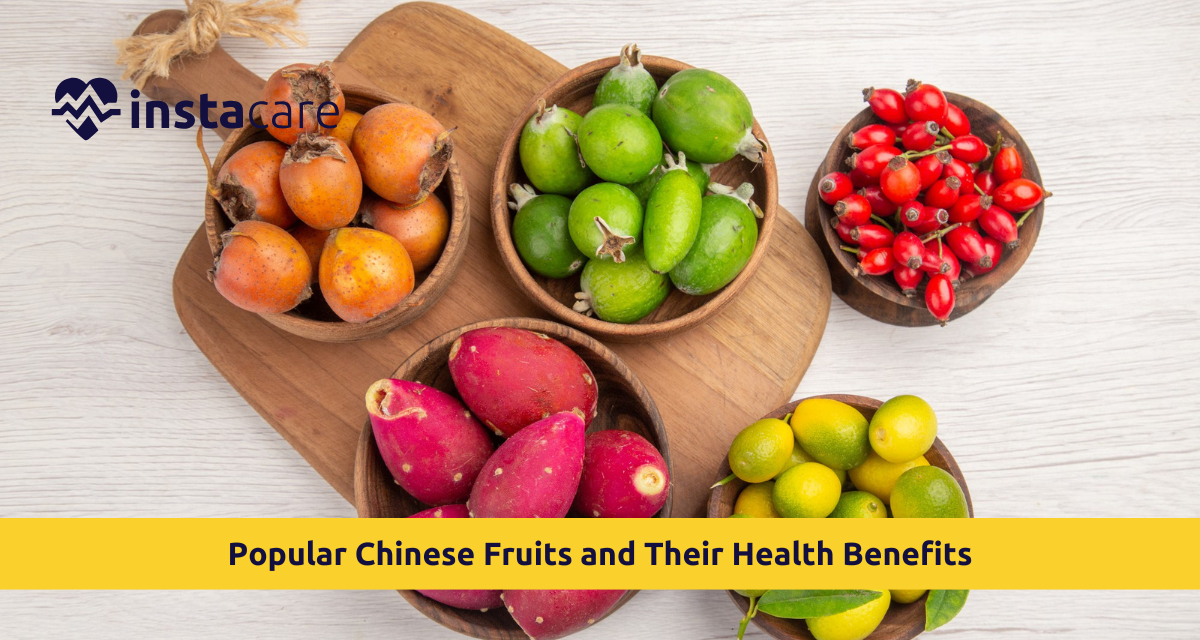
Popular Chinese Fruits and Their Benefits
1. Lychee (Litchi)
Lychee is one of the most commonly used Chinese fruits with a sweet floral taste and juicy flesh.
Benefits:
- High in vitamin C
- Supports immunity
- Hydrating summer fruit
- Good for skin health
2. Dragon Fruit (Pitaya)
Dragon fruit is one of the most identifiable Chinese exotic fruits, which is characterized by its colorful appearance and cool flavor.
Benefits:
- Rich in fiber
- Supports digestion
- Contains antioxidants
May assist in the control of blood sugar.
3. Longan
Longan is similar to lychee with a sweeter taste and is extensively used in herbal medicine.
Benefits:
- Helps reduce stress
- Promotes better sleep
- Contains iron and vitamin C
- Boosts energy levels
4. Chinese Hawthorn (Shan Zha)
One of the classic fruits used in snacks and as a herbal remedy.
Benefits:
- Supports heart health
- Aids digestion
- Used in tanghulu and teas
- Rich in plant antioxidants
5. Pomelo
A huge citrus fruit and a precursor of grapefruit.
- Benefits:
- High in vitamin C
- Supports immunity
- Low in calories
- Good for hydration
6. Chinese Jujube (Red Dates)
One of the fruits that is used in Chinese food as a staple in the dried form.
Benefits:
- Boosts energy naturally
- Supports blood health
- Improves digestion
- Calming effect on the body
7. Mangosteen
It is a sweet creamy fruit that is very popular in southern China.
Benefits:
- Powerful antioxidants
- Anti-inflammatory properties
- Supports immune health
- Naturally refreshing
Read More: 10 Exotic Fruits You Should Try
Nutritional Benefits of Chinese Fruits
Most of the fruits in China are the nutritional giants that contain the vitamins and minerals.
Common nutrients found:
- Vitamin C for immunity
- Fiber for digestion
- Antioxidants and polyphenols.
- Quick energy coming in the form of natural sugars.
- Potassium for heart health
Plant compounds that can help to reduce inflammation and contribute to overall long-term wellness can also be found in several of the traditional Chinese fruits.
Role of Fruits in Traditional Chinese Medicine
Traditional Chinese Medicine does not consider fruits as mere food: fruits are natural medicines.
How fruits are used in TCM:
- Categorised as either warming or cooling foods.
- Used in herbal teas and soups
- Herbs combined to make it balanced.
- Gorged on seasonally in balance.
For example:
- Cooking fruits: lychee, longan.
- Frozen fruits: dragon fruit, pear.
This is an integrated strategy that makes traditional Chinese fruits relevant even in the contemporary wellness trends.
How to Eat and Use Chinese Fruits?
Popular Chinese fruits, both traditional and modern, may be enjoyed in lots of ways.
Common ways to eat them:
- Fresh as snacks
- Dried in teas and soups
- In traditional desserts
- Added to smoothies
- Used in fruit salads
Herbal drinks particularly like dried jujubes and longans are popular, and pomelo, and hawthorn are popular in festival recipes.
Tips for Choosing and Storing Chinese Fruits
Freshness is an issue when purchasing the exotic fruits of China.
Buying tips:
- Look for vibrant color
- Do not use bruised or mushy fruits.
- Select produce which is in season.
- Shop at Asian markets that are trusted.
Storage tips:
- Chill tropical fruits.
- keep dry fruits under airtight containers.
- Eat fresh fruits within a short period.
- Keep out of direct sunlight.
Fruits grown in China have their proper flavor and maximized nutrition through proper storage.
Are Chinese Fruits Available Worldwide?
Yes, international trade has enabled most of the popular Chinese fruits to be available all over the world.
Where to find them:
- Asian grocery stores
- Fruit parts in the supermarkets that are imported.
- Online specialty stores
- Dried fruit marketplaces
This has led to the introduction of fruits such as dragon fruit, pomelo and lychee in most countries and thus it is easier to find out an Asian fruits list anywhere.
Conclusion
The Chinese fruits present a distinctive combination of flavour, health and culture. Out of fat lychees to medicinal jujubes, all the fruits have something to offer. You can also find new flavors and add health-promoting foods into your diet, or simply enjoy centuries-old tradition and add Chinese fruits to your table.
Please book an appointment with the best Nutritionist in Lahore, Karachi, Islamabad, and all major cities of Pakistan through InstaCare, or call our helpline at 03171777509 to find a verified doctor for your disease.