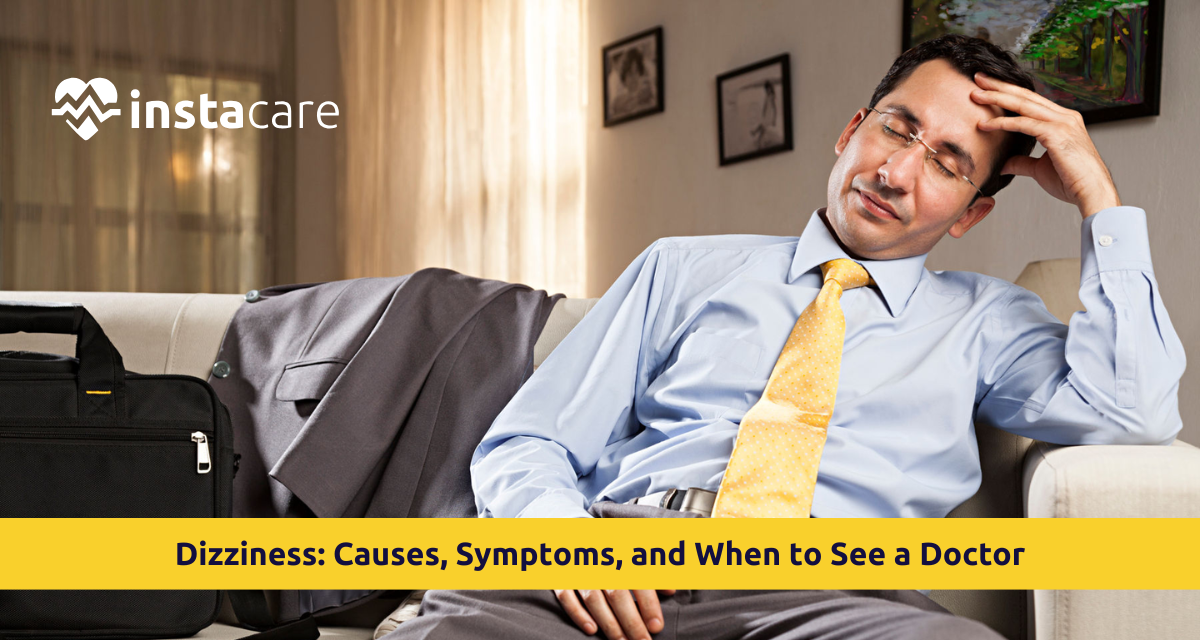
What Is Dizziness?
Dizziness is a general term which is used to explain the sensation of imbalance, faintness or disorientation. It may feel like:
- Spinning environment (related frequently to vertigo)
- Feeling faint or woozy
- Unsteady balance
- Feelings of flying or being lost.
Although in other cases harmless, chronic dizziness that comes up persistently should not be overlooked.
Common Causes of Dizziness
Dizziness may be a result of a number of physical and neurological diseases.
Inner Ear Problems
Inner ear assists in control of balance. Dizziness can be caused by such conditions as infections or inflammation. One of the most frequently occurring initiators is these inner ear problems.
Low Blood Pressure
Orthostatic hypotension may cause dizziness when standing up as a result of a sudden decrease in blood pressure.
Dehydration
Lack of sufficient fluids will decrease the volume of blood, which leads to lightheadedness and fatigue.
Blood Sugar Imbalances
Weakness, sweating and sudden dizziness can be as a result of low blood sugar.
Anxiety and Stress
Rapid breathing and lack of sufficient oxygen supply may cause dizziness as a result of panic attacks.
Medication Side Effects
Blood pressure drugs and other sedatives are some of the medications that may cause dizziness.
Migraines
Migraines are known to bring about dizziness and headache.
Types of Dizziness
The knowledge of the kind of dizziness can assist in determining the cause.
Vertigo
- Feeling that everything around is whirling.
- In many cases, inner ear disorders result in it.
- Very often associated with vertigo.
Lightheadedness
- Soon to pass out or to feel a faintness.
- Usually associated with dehydration or low blood pressure.
Disequilibrium
- Difficulty in walking because of loss of balance.
- Common in older adults
Presyncope
- Feeling like you might faint
- Most frequently because of cardiac or blood circulation problems.
Read More: Causes Of Dizziness Before Period - Is It Worrying
Associated Symptoms of Dizziness
The Dizziness symptoms can be different according to the cause.
Accompanied symptoms are also common and they include:
- Dizziness and nausea
- Sweating
- Blurred vision
- Ringing in the ears
- Fatigue
- Palpitations
- Confusion
In case of chest pain and dizziness or intense headache, emergency treatment is required.
Risk Factors for Dizziness
There are some reasons that predispose to dizziness:
- Aging
- Ear infections
- Cardiovascular conditions
- Neurological disorders
- Anxiety disorders
- Diabetes
- Dehydration
- Poor sleep
Medical assessment should be considered by people experiencing recurrent or persistent dizziness.
Diagnosis and Medical Evaluation
Physicians apply various techniques of diagnosing dizziness.
Medical Examination Can Include:
- Physical examination
- Blood pressure measurement
- Hearing tests
- Blood tests
- ECG (heart rhythm test)
- MRI or CT (in case of any neurological reasons under suspicion)
It may be useful to keep a diary of when the person feels dizzy (after getting up, eating, getting stressed, etc.).
Treatment Options for Dizziness
The course of action is dependent on the cause.
Medical Treatments:
- Antibiotics for infections
- Vestibular rehabilitation treatment.
- Blood pressure medications
- Anti-nausea medications
- Migraine treatments
Lifestyle-Based Treatments:
- Staying hydrated
- Adjusting medications
- Improving sleep patterns
- Managing stress
It is necessary to identify the problem properly before providing treatment.
Home Remedies and Prevention Tips
Dizziness can be reduced by the use of simple lifestyle changes.
Prevention Tips:
- Drink enough water daily
- Keep off impulsive change of postures.
- Eat balanced meals
- Limit caffeine and alcohol
- Get enough sleep
- Practice balance exercises
Natural Remedies:
- Ginger as a remedy against nausea and dizziness.
- Anxiety-related dizziness breathing is a deep breathing technique.
- Dehydration fluids containing electrolytes.
When to Seek Immediate Medical Care?
Although mild cases of dizziness may not be harmful, there are symptoms that are critical enough and which must be taken care of immediately.
Emergency assistance is needed in case of dizziness in case of:
- Chest pain
- Difficulty speaking
- Severe headache
- Weakness on one side
- Fainting
- Vision loss
- High fever
These can be symptoms of stroke, heart attack or severe neurological diseases.
Conclusion
The symptom of dizziness is common but complicated and can be a result of quite simple issues, such as dehydration and more serious illnesses, such as a heart or neuro disease. The familiarity with the different types and with the symptoms characteristic of it as well as the recognition of the triggers is significant to the correct management.
The periodic dizziness is no problem; the continuous or severe cases of dizziness should never be neglected by the healthcare expert. Early diagnosis and changing lifestyle skills will play a vital role in reducing the impact of dizziness and overall improvement in the quality of life.
Please book an appointment with the best General Physician in Lahore, Karachi, Islamabad, and all major cities of Pakistan through InstaCare, or call our helpline at 03171777509 to find a verified doctor for your disease.