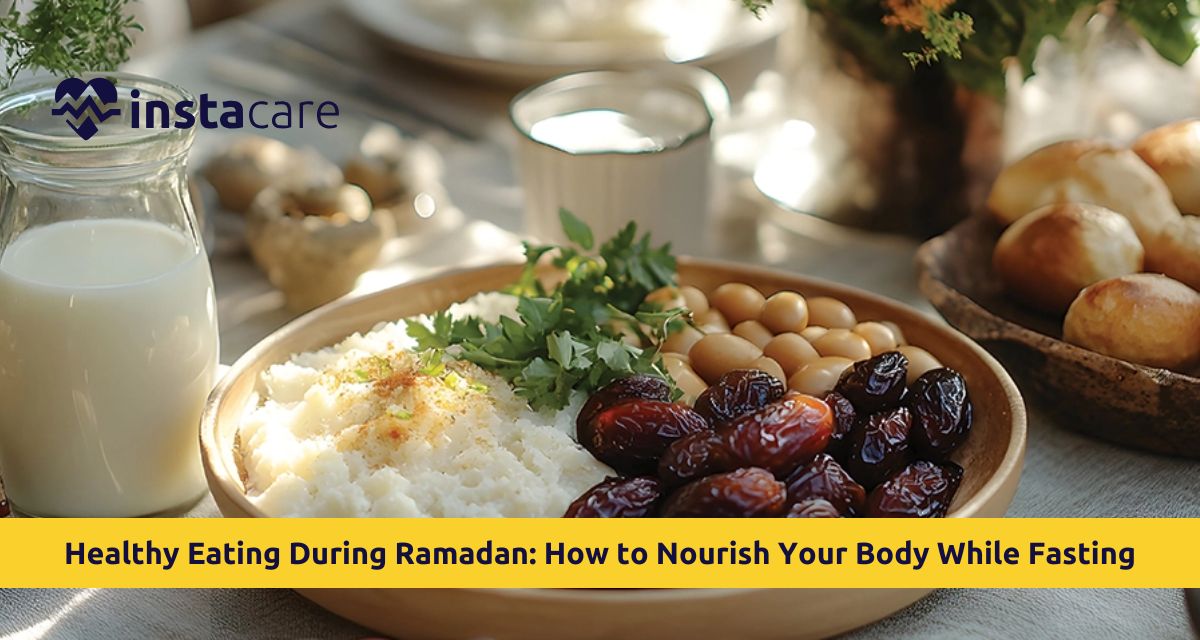
Ramadan is a period of introspection, chastisement and
community- but it also affects substantial shifts in the dietary habits. Long
hours of fasting may influence energy, digestion, hydration, and
metabolism. Adherence to a healthy Ramadan diet will help you feel more vigilant, reduce overeating, and maintain overall health throughout the month.
By eating consciously and at the right times, nutrition during Ramadan can be balanced and healthy rather than life-draining. It is not only to fast, but to feed your body in a prudent manner between Suhoor and Iftar.
Understanding Your Body During Fasting
During fasting, the body shifts its energy metabolism to burn fat instead of glucose. This process can be positive, and it is possible only when meals are organized. During fasting hours:
- The level
of sugar in blood decreases gradually.
- There is a
slowing down of metabolism to save on energy.
- When fluids are not replaced, the risk of dehydration increases.
That is why it is better to be balanced on diet during Ramadan to supply energy, digestion, and blood sugar to busy people or those who have health issues.
Healthy Suhoor Choices
Suhoor is the foundation of your day of fasting. Leaving it can lead to exhaustion, over eating and headache during Iftar. Suhoor foods are healthy and will keep you full and energized.
The healthy Suhoor foods include:
- Whole wheat
bread, oats or brown rice which are complex carbohydrates.
- Proteins can be found in eggs, yogurt, cottage cheese or legumes.
- In
moderation nuts, seeds or olive oil.
- Apples, berries, or pears that are rich in fibre.
Foods to limit at Suhoor:
- Sugary
cereals and pastries
- Salty or
fried foods
- Too much caffeine which makes one drier.
An organized Suhoor promotes fasting and nutrition by eliminating energy crashes throughout the day.
Balanced Iftar Meals
After fasting, it is tempting to eat more, but heavy meals can strain the digestive system and make a person feel uneasy. Balanced, paced, healthy iftar meals are the key.
An
intelligent Iftar plate must have:
- Fruits and
water to elevate blood sugar.
- Lean meats with low calories, such as grilled chicken, fish, lentils, or beans.
- Complex
carbs are whole grains or sweet potatoes like quinoa.
- Sufficient vegetables in the form of fibre and micronutrients.
Tips for
better digestion:
- Eat slowly
and mindfully
- Avoid
deep-fried foods daily
- Do not eat until over-stuffed.
This fashion helps with weight management and energy levels, since the evening prayers are held.
Hydration Tips During Ramadan
Dehydration
is one of the most common challenges, especially during the warmer seasons, including Ramadan. Hydration in nutrition during Ramadan is essential.
Smart
hydration strategies:
- Drink plenty of water before Iftar and before Suhoor.
- Goal 6-8
glasses non-fasting.
- Include fruits and vegetables that are rich in water, such as cucumbers, oranges, and soups.
Limit or
avoid:
- Sugary
drinks and sodas
- Excess caffeine increases fluid loss.
Drinking water helps digestion, blood sugar, and energy management during fasting.
Healthy Snacks and Desserts
Ramadan
does not mean denying desserts; it is only a matter of making more
conscious decisions. Snacks can be used effectively to prevent excessive food intake during main meals while maintaining energy balance.
Healthier
snack ideas:
- Fruit with
yogurt
- Nuts and
dates in moderation
- Homemade
smoothies
- Chia pudding or fruit chaat
More
suitable dessert options:
- Baked goods
instead of fried
- Dates or
honey-sweetened desserts.
- Smaller portion sizes
These options are also consistent with healthy eating during Ramadan without interfering with tradition or pleasure.
Managing Portion Sizes and Overeating
It is
natural to overeat during Iftar, because after the long fasting time one can
feel bloated, lethargic and gain weight.
Tips to
manage portions:
- Eat
lightly, and then take rest before the meal.
- Use smaller
plates
- Protein and
fibre should be the first priority.
- Do not eat in a distracted way.
Mindful eating helps with weight control and maintaining a steady level of energy during Ramadan.
Special Tips for People with Health Conditions
Individuals who are diabetic, have digestive issues or any other chronic diseases require additional attention during fasting.
Important considerations:
- Fasting
must be done before consulting a healthcare provider.
- Focus on
those foods that help in the control of sugar.
- There
should not be long intervals between Iftar snacks and Suhoor.
- Follow such symptoms as dizziness or weakness.
By planning, it is safe to encourage as many people as possible to maintain a balanced diet during Ramadan to manage their health conditions.
Conclusion
Ramadan offers a meaningful opportunity to renew both spiritual and physical well-being. By prioritizing a healthy Ramadan diet, making mindful food choices, staying properly hydrated, and practicing portion control, fasting can become a powerful tool for long-term health improvement. Balanced meals, conscious eating habits, and smart hydration not only support the body during fasting hours but also help maintain energy, focus, and overall vitality.
When approached with balance and awareness, fasting during Ramadan nurtures the soul while strengthening the body, allowing you to feel refreshed, alert, and healthy throughout the holy month and beyond.