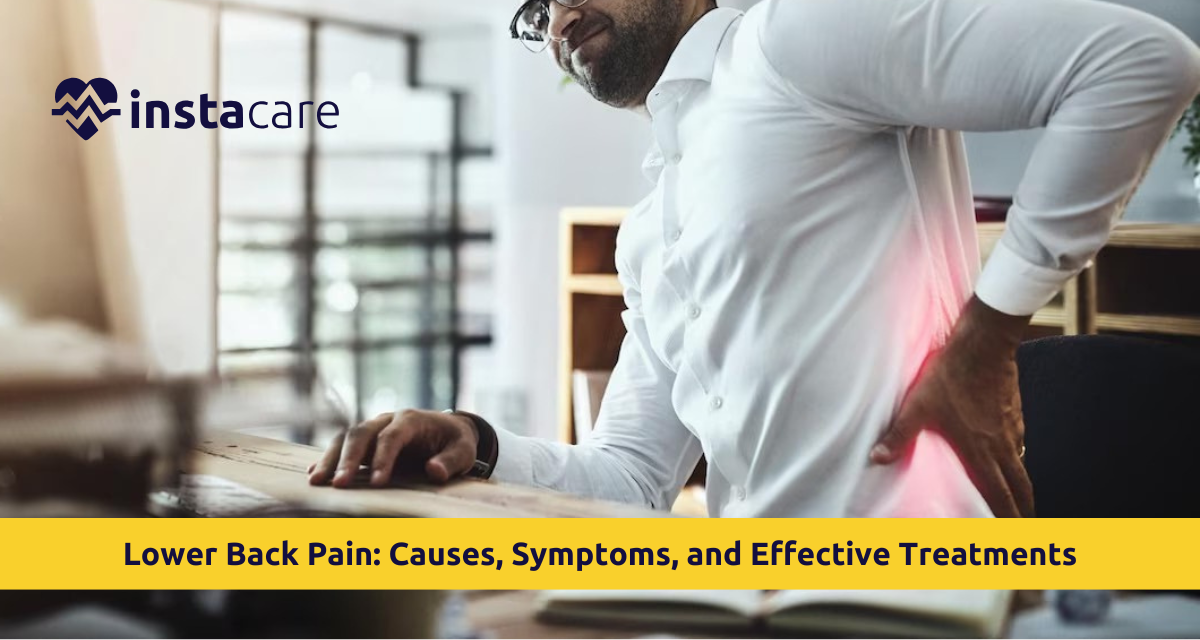
What Is Lower Back Pain?
Lower back pain is pain or stiffness of the lumbar area (space between ribs and hips) of the spine. It can be mildly aching to sharp and shooting.
There are two main types:
- Acute lower back pain: may take several days to weeks, usually due to strain or injury.
- Chronic lower back pain: progresses over a period of more than 3 months and may be persistent.
Suffering may be aggravated when moving, sitting or lifting heavy things.
Common Causes of Lower Back Pain
There can be numerous causes of lower back pain including muscle strain and compression of nerves.
Lower Back Muscle Strain
Lower back muscle strain and the ligaments or their tearing because of heavy lifting and sudden movement or improper posture.
Herniated Disc
Herniated disc lower back condition is one of the conditions in which the spinal discs swell or burst, which presses against the surrounding nerves.
Sciatica
The Sciatica lower back pain occurs when the sciatic nerve is compressed and the pain extends down one leg.
Poor Posture
Slumping or prolonged sitting may result in Lower back pain when sitting particularly in people in offices.
Arthritis
Spinal osteoarthritis may cause arduous stiffness and chronic pain.
Sedentary Lifestyle
Lacking core muscles add stress and instability to the spine.
Symptoms of Lower Back Pain
The symptoms differ according to the cause.
- Dull, aching pain
- Sharp or stabbing pain
- Muscle spasms
- Limited flexibility
- Pain radiating to legs
- Numbness or tingling (when it is related to the nerves)
When the pain below the knee spreads or makes one weak, it is significant to be medically examined.
Risk Factors of Lower Back Pain
There are some factors that contribute to the increase in the risk of developing back pain.
Lifestyle Risk Factors:
- Prolonged sitting
- Poor posture
- Obesity
- Lack of exercise
- Heavy lifting
Medical Risk Factors:
- Aging
- Degenerative disc disease
- Previous back injuries
- Osteoporosis
Offenders with physically demanding jobs are also at risk.
Read More: Back Pain: Causes, Symptoms, and Effective Treatment Options
When to See a Doctor?
Rest and home care enhance most back pain. Nevertheless, consult a doctor in case you have:
- Severe or worsening pain
- More than a few weeks of pain.
- Fever with back pain
- Incontinence of bladder or bowel.
- Numbness or weakness in legs
- Sudden injury-related pain
They can be signs of severe problems that need urgent care.
Diagnosis of Lower Back Pain
The cause is established by doctors using:
- Physical examination
- Medical history review
- X-rays
- MRI or CT scans
- Nerve conduction studies
Proper diagnosis assists in the right Lower back pain treatment.
Treatment Options of Lower Back Pain
Healing is determined by cause and severity.
Home Remedies
- Rest (short-term only)
- Heat or cold therapy
- Gentle stretching
Medications
- Pain relievers
- Anti-inflammatory drugs
- Muscle relaxants
Physical Therapy
Specific Lower back pain exercises reinforce the core and back muscles, making them more stable.
Injections
In extreme cases, steroid injections can clear the inflammation.
Surgery
- Severe disc herniation or nerve compression are the conditions that are reserved.
- A combination of therapies frequently delivers effective treatment of lower back pain.
Prevention Advice of Lower Back Pain
The risk can be mitigated through preventive strategies to a great extent.
Daily Prevention Tips:
- Maintain proper posture
- Use ergonomic chairs
- Avoid prolonged sitting
- Strengthen core muscles
- Use safe lifting procedures.
- Maintain a healthy weight
Prevention of chronic lower back pain is associated with regular exercise and movement.
Conclusion
The problem of lower back pain is a common one that may greatly impact everyday life. Ranging between muscle strain and poor posture to disc issues and sciatica, it is advised to know the root cause of the problem in order to treat them. Most instances can end with rest and home care; however, in case of persistent or severe symptoms, a medical practitioner should be consulted. Lower back pain can be checked and prevented by following healthy practices, engaging in strengthening activities, and getting medical attention as early as possible.
Please book an appointment with the best Orthopedic Surgeonin Lahore, Karachi, Islamabad, and all major cities of Pakistan through InstaCare, or call our helpline at 03171777509 to find a verified doctor for your disease.