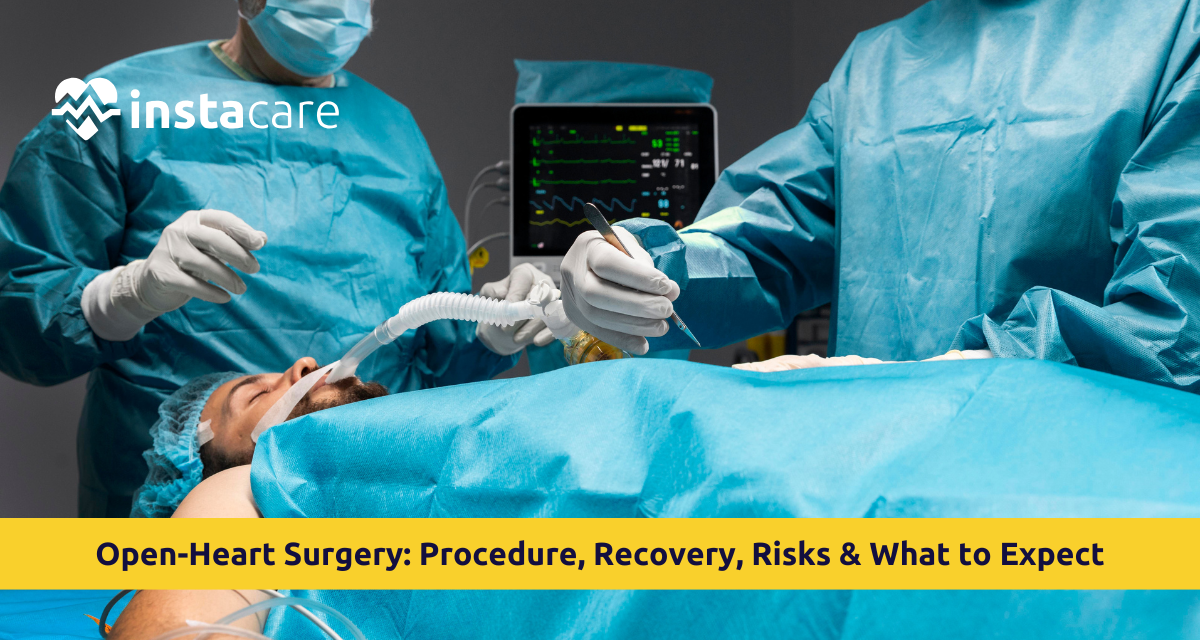
What Is Open-Heart Surgery?
Open-heart surgery is considered to be any operation in which the chest is opened, and direct work is done on the heart. The heart is in most instances stopped and it is replaced by a heart-lung machine.
Key points:
- General anesthetic performance.
- Needs incision of the breastbone (sternotomy).
- May surgery heart-lung bypass machine.
- Applied in life-threatening cardiac diseases.
It is still among the best remedies of heart disease at its advanced stage.
Conditions That Require Open-Heart Surgery
Open-heart surgery is advised by doctors when the less invasive treatment fails. Common conditions for Minimally invasive heart surgery include:
- Extreme coronary artery disease.
- Heart valve disorders
- Congenital heart defects
- Heart failure
- Heart or aortic aneurysms.
- Obstructed or constricted arteries.
Surgery could be life-saving in cases of emergencies such as heart attacks.
Types of Open-Heart Surgery
There are a number of Types of open-heart surgery, depending upon the underlying condition.
Coronary Artery bypass Grafting (CABG)
This is also referred to as coronary artery bypass surgery; it involves a new route in which the blood passes around the arteries that have been obstructed.
Valve Heart Valve Repair or Replacement
Comprises Heart valve replacement surgery with mechanical or biological valves.
Aneurysm Repair
Applied to weaken or distended parts of the heart vessels.
Repair of Congenital Heart Defect
Repairs birth defects of the heart.
Communicable heart disease (Transplant)
Used over the heart when it becomes highly damaged, and other treatment methods have been unsuccessful.
Preparing for Open-Heart Surgery
Anesthetics are essential in enhancing the results of surgery.
Medical Preparation
- Blood tests and imaging scans.
- ECG and echocardiogram
- Medication adjustments
- Fasting before surgery
Lifestyle Preparation
- Stop smoking
- Maintain a balanced diet
- Talk to your physician about drugs.
- Provide post-surgery care at home.
Anxiety can also be reduced by the mental preparation and knowledge of the process.
Read More: What Is A Dangerous Heart Rate?
Step-by-Step Procedure
Although it differs depending on Open-heart surgery procedure, most of them have a similar approach.
- Normal Open-Heart Surgery.
- General anesthesia is done.
- Through the breastbone, the chest is opened.
- Heart-Lung machine replaces circulation.
- The necessary repair is done by surgeons.
- Heart is restarted
- Chest shut up and patient transferred to ICU.
Depending on the complexity of the surgery, the operation normally takes 3 to 6 hours.
Risks and Possible Complications
Open-heart operations are dangerous just like any other major surgery. The Risks of open-heart surgery are:
- Infection
- Bleeding
- Stroke
- Blood clots
- Irregular heartbeat
- Kidney complications
The risk factors rise with age, diabetes, and obesity as well as previous heart conditions.
Recovery After Open-Heart Surgery
The process of coming back is also time-consuming and depends on the person.
Immediate Recovery
- ICU stay for 1-2 days
- Heart function monitoring.
- Pain management
Short-Term Recovery
- Hospital stay: 5-10 days
- Gradual mobility recovery
- Breathing exercises
- Full Recovery Timeline
Open-heart surgery recovery time:
- 6-8 weeks for basic healing
- 3 months for full recovery
- Longer for elderly patients
Cardiac rehabilitation programs are able to accelerate recovery.
Life After Surgery
A lot of patients recover, and they lead a better and healthier life.
Lifestyle Changes
- Heart-healthy diet
- Regular exercise
- Stress management
- Medication adherence
Long-Term Care
- Regular cardiology examinations.
- Checking of cholesterol and blood pressure.
- Windshield: Quitting smoking and alcohol abuse.
These measures enhance long term survival, and life quality.
Benefits and Success Rates
Surgery has become much more successful with the modern techniques.
Benefits
- Restores proper blood flow
- Reduces chest pain
- Improves heart function
- Enhances life expectancy
- Improves quality of life
Success Rates
- Good success rates of CABG operations.
- In most instances, Open-heart surgery survival rate are greater than 95.
- Improved results of early diagnosis.
Some patients might have minimal invasive options.
When to Seek Medical Attention Post-Surgery?
In case of post-operative symptoms, there is the need to have an immediate medical care.
Watch for:
- Persistent chest pain
- Fever or wound infection
- Shortness of breath
- Swelling in legs
- Irregular heartbeat
Serious complications can be stopped through early intervention.
Conclusion
Open-heart surgery is a life-saving surgery performed to treat serious heart diseases which cannot be treated by medications. There are high risks and recovery time, but with the modernization in surgical methods, it is safer and effective as ever before. When well prepared, well taken care of after the operation and changes in lifestyle, a large number of patients report better heart health and better living. Provided by a cardiologist, the knowledge of the procedure and the postoperative path can make patients and their relatives more confident and ready.
Please book an appointment with the best Cardiologist in Lahore, Karachi, Islamabad, and all major cities of Pakistan through InstaCare, or call our helpline at 03171777509 to find a verified doctor for your disease.