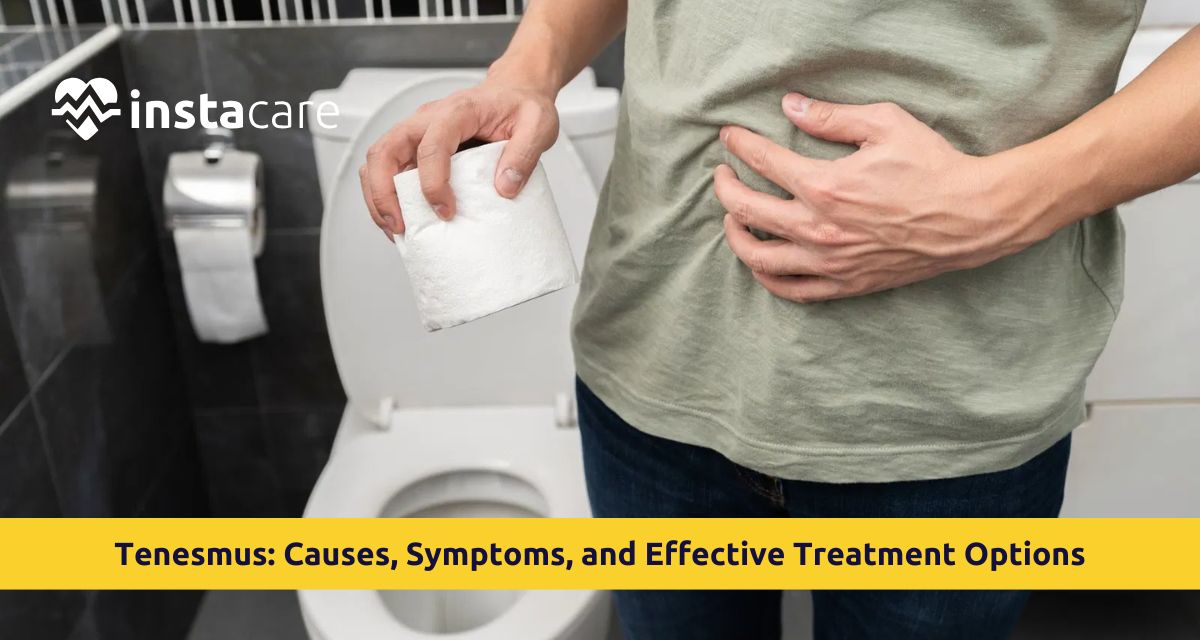
Tenesmus leads to unease, commonly bringing repeated needs to defecate despite an empty bowel. After using the toilet, individuals may still experience irritation, spasms, or tension from persistent pressure. While not a standalone illness, it typically signals problems within the colon or lower gut.
Although some mix up tenesmus and constipation, they differ clearly. Constipation involves difficulty moving bowels; in contrast, tenesmus creates a feeling of unfinished evacuation. Knowing what triggers it, how it shows up, ways to identify it, or even care choices helps reduce unease over time. Awareness of these points improves management after several weeks.
What Is Tenesmus?
Tenesmus means feeling like you need to go to the bathroom again soon after using it. It's commonly tied to anal pain, along with cramps or aching deep in the belly. Symptoms tend to linger and can suddenly worsen during everyday activities. Two primary kinds exist:
- Rectal tenesmus impacts the lower gut, leading to an ongoing urge for bowel movement due to irritation or inflammation present in that area
- Bladder tenesmus makes urinating difficult, this form occurs less often
This piece looks at rectal tenesmus, a sign often tied to bowel or rectal trouble. Though frequent, it tends to come from unseen digestive disorders rather than appearing alone.
Common Symptoms of Tenesmus
The intensity of tenesmus signs relies on what's causing it. In some cases, just slight unease occurs; occasionally, ongoing pain shows up along with frequent trips to the toilet. Common symptoms include:
- Frequent need to empty the bowels
- Finding it tough to know whether the stomach is fully empty
- Discomfort in the rectum along with a constant urge to have a bowel movement
- Cramps around the stomach region
- Pushing hard when going to the bathroom
- Mucus coming out of the back passage
- Sometimes, you might notice red streaks mixed in with bowel movements
- Fatigue from frequent bathroom visits
In chronic tenesmus, symptoms may persist for weeks, or even more, leading to daily routine disturbances as well as shifts in emotional state.
Some Causes of Tenesmus
Various factors can lead to tenesmus in adults, often tied to intestinal or rectal issues like swelling, bugs, or structural problems.
1. Inflammatory Bowel Disease (IBD)
Ulcerative colitis or Crohn's disease often trigger tenesmus and inflammation due to gut inflammation. Such conditions result in irritated intestines, causing a constant urge to defecate.
2. Rectal Infections
Bacteria, along with viruses or parasites, might lead to swelling in the rectum, prompting tenesmus. On the flip side, sexually transmitted infections could produce similar outcomes by aggravating sensitive areas.
3. Constipation
Tenesmus vs constipation differs, but they're linked. As constipation gets worse, feces stay in the rectum, triggering a persistent need to go, even when there's nothing left.
4. Hemorrhoids
Bulging veins near the rectum may push on the anal passage, causing unease or a sense something's left behind after using the toilet. When this occurs, it commonly leads to annoyance throughout everyday activities.
5. Rectal or Colon Cancer
In certain situations, abnormal tissue may obstruct bowel movement, leading to persistent pushing during toilet use. When this happens, seeing a doctor quickly is essential.
6. Proctitis
Proctitis means swelling in the rectum's inner layer, often leading to pain during bowel movements or a stinging feeling. While linked to discomfort, it typically involves trouble passing stool as well as redness inside near the anal area.
7. Pelvic Floor Disorders
When pelvic muscles are too weak or overly tense, they may disrupt regular bowel function, leading to tenesmus.
8. Irritable Bowel Syndrome (IBS)
IBS may trigger intestinal cramps, which often result in stomach discomfort, gas buildup, or urgent trips to the toilet. Symptoms usually show up together due to an overactive digestive system or irregular contractions during digestion.
Read More: 6 Loose Motion Medicine In Pakistan - Uses Price Side Effects
Diagnosis of Tenesmus
Finding what causes tenesmus means looking at hidden signs. During review of health records, the physician carries out a body check. Regular inspections usually include:
- Digital rectal examination
- Stool exams may find infections OR look for parasites
- Blood tests showing signs of swelling or illness
- Colonoscopy lets doctors check the colon, also known as the rectum area
- Sigmoidoscopy for localized rectal evaluation
- CT scan, or MRI, delivers clear images
Spotting symptoms fast helps manage rectal tenesmus better, yet lowers later risks. Because treatment works best at onset, early detection matters greatly.
Treatment Options of Tenesmus
Treatment relies completely on the reason behind it. When the source is clear, focused help, such as specific guidance or adjustments, can bring noticeable change.
1. Medications
- Anti-inflammatory drugs for IBD and proctitis
- Fever remedies when needed
- Drugs targeting parasites help manage illnesses they cause
- Laxatives, or perhaps stool softeners, might help when constipation arises
- Painkillers or remedies easing cramps
2. Treatment for Chronic Conditions
In conditions such as Crohn's disease or ulcerative colitis, ongoing treatment might be needed to handle persistent tenesmus causes in adults.
3. Surgical Treatment
Surgery might be needed when:
- Rectal or colon cancer
- Severe hemorrhoids
- Severe bloating in the abdominal region
- Structural blockages
4. Pelvic Floor Therapy
In muscle issues, training combined with feedback may boost movement precision along with digestive function.
Home Remedies of Tenesmus
Although doctors' tips might help, basic home fixes can ease pain just as much, what you already have at home may do the trick. When symptoms flare, small daily tweaks can help instead; going soft first is worth a try now and then. Reactions differ from one person to another, which means careful trials are key.
1. Increase Fiber Intake
Eating foods high in fiber, like apples, spinach, or oats, keeps your gut moving easily, which means less effort during bathroom breaks.
2. Drink Plenty of Water
Staying hydrated helps avoid constipation while lowering strain near the rectal area.
3. Warm Sitz Baths
Sitting in warm water helps relax the rectal muscles; at the same time, it may reduce cramps or ease discomfort.
4. Probiotics
Yogurt or pills support good gut bacteria, this eases digestive discomfort. While both options boost balance, they work differently inside the body.
5. Avoid Trigger Foods
Foody items like spicy, greasy, or packaged foods may increase discomfort in those with delicate digestion; when meals are eaten can also play a role. Strong flavors along with high-fat content cause reactions in certain individuals, digestive issues tend to appear shortly after eating.
6. Regular Physical Activity
Light motion helps break down food, also improving gut function.
Prevention of Tenesmus
While not every case of tenesmus can be avoided, sensible routines may lower chances considerably, though progress relies on steady effort rather than sudden changes. Preventive measures include:
- Maintaining a nutritious eating pattern high in dietary fiber
- Staying well hydrated
- Avoid laxatives, use them only if absolutely needed
- Keeping things clean stops germs from spreading
- Handling tension along with calming anxious thoughts
- Treating constipation early
- Having routine doctor visits
A fast response to gut issues or swelling may stop ongoing strain near the back passage. If begun soon, care eases lasting discomfort linked to digestive trouble.
Conclusion
Tenesmus impacts bodily comfort along with emotional well-being. A constant need to defecate, together with discomfort in the rectum, may interfere with everyday routines, often increasing stress or tiredness. In grown-ups, causes differ greatly: certain instances result from blockages or germs, while some relate to severe intestinal issues or abnormal tissue. Yet accurate identification and care lead to progress for many people.
Finding the difference between tenesmus and constipation helps catch symptoms earlier, meaning timely care becomes possible, boosting chances of recovery. Effective treatment combined with minor home adjustments together with daily habits usually leads to improvement, supporting smoother digestion over time.
Book an appointment with the best Gastroenterologist in Lahore, Karachi, Islamabad, and other major cities through InstaCare. You can also call 0317-1777509 to connect with a verified doctor. Use the button below to book now.