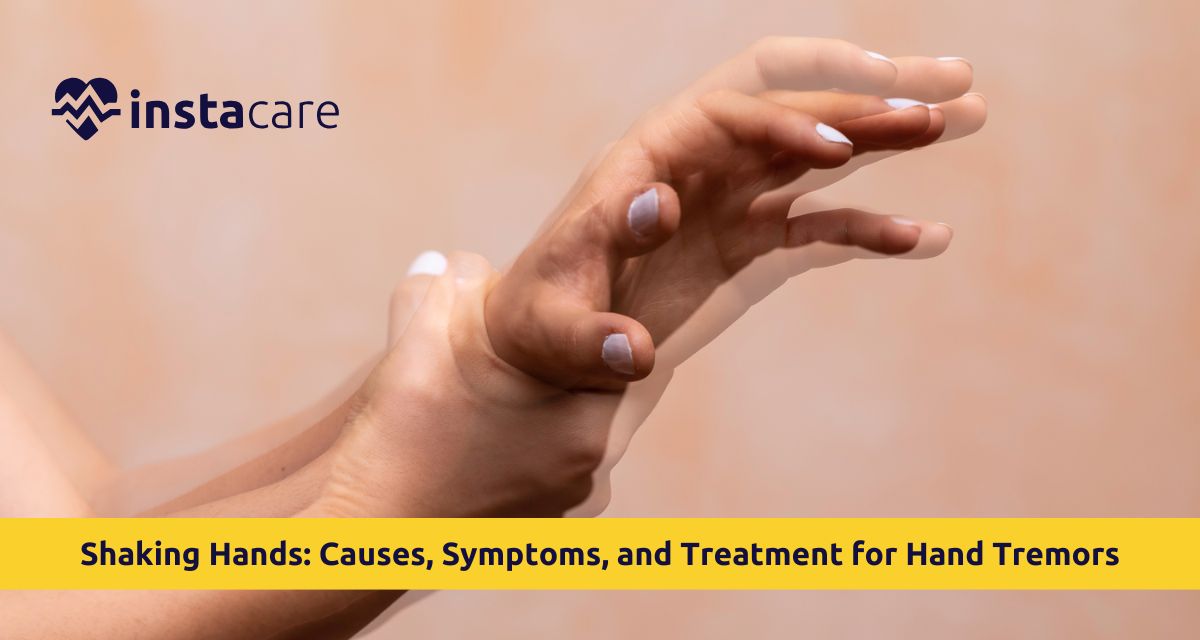
What is Hand Tremors?
Shaking hands is rhythmic, involuntary movement of the hands that can happen at rest or with activity. Shaking hands can be imperceptible or so severe that it will disrupt writing, eating, and other fine motor tasks. Tremors can be unilateral or bilateral and insidiously begin or suddenly develop.
Common Causes of Shaking Hands
Shaking hands possess a multitude of pathophysiologies and range from transient illness to chronic neurological disorders causing tremors. Commonest of the movement disorders is essential tremor, present in about 10 million Americans. Neurology disease is responsible for rhythmical shaking at a voluntary level and commonly has a genetic etiology.
Clinical presentation of Parkinson's disease is characterized by typical resting tremors that tend to start most frequently in one hand. Unlike essential tremor, Parkinson's disease symptoms include tremor that occurs only when the hand is at rest. Tremor in old age typically is a component of neurological aging changes related to hand shaking causes in elderly.
Shaky hands nerves are a natural reaction to feeling mentally stretched. Stress and shaking hands is caused by your fight-or-flight system releasing the adrenaline, which produces temporary shaking. Caffeine and hand tremors also go together as excessive use overstimulates the nervous system.
Medical reasons for shaky hands include thyroid disease, which, especially in the form of hyperthyroidism, accelerates metabolism and makes all the parts of the body quiver. Certain medications, like drugs for asthma and antidepressants, a side effect of them is shaking hands. Low blood sugar, withdrawal from alcohol, and vitamin deficiency are reasons for trembling hands. Other neurological diseases that lead to shaking hands include stroke, multiple sclerosis, and head injury.
Associated Symptoms of Shaking Hands
Aside from noted shaking, hand tremors also present other features that can be used to determine etiology. Essential tremor usually affects both hands bilaterally and may affect head bobbing or unstable voice.
Parkinson's-related tremors are usually associated with other symptoms like stiff muscles, slowness of movement, and loss of balance. In case the tremor is caused by anxiety related to shaky hands anxiety, then you are likely to experience fast heart rate, sweating, and nervousness too. Tremors due to hyperthyroidism often come with loss of weight and heat intolerance.
Diagnosis of Shaking Hands
The etiology of the diagnosis of hand tremors should be a thorough medical work-up. Your doctor will take a family history of tremor diseases, medication, and medical history. Physical examination determines the nature of the tremors, including when and how they occur.
Neurological examination tests for muscle strength, coordination, and reflexes. Lab testing of thyroid hormone, blood sugar level, and potential lack of vitamin is carried out. Doctors arrange for the referral to brain imaging via MRI or CT scans to rule out structural abnormalities.
Read More: Ways to Make Womens Hands and Feet Delicate
Treatment Options for Shaking Hands
Management of trembling hands treatment varies according to etiology and severity. Beta-blockers, i.e., propranolol, are effective in reducing shaking in most patients with essential tremor. Anti-seizure drugs, i.e., primidone, are also extremely effective. If medication is insufficient, physicians may employ injections of botulinum toxin.
In offensive tremors, deep brain stimulation is hopeful. It is a procedure in which electrodes are implanted within specific regions of the brain in an effort to regulate atypical nerve impulses. Physical and occupational therapy teach compensatory skills that maximize hand usage and amount of activity per day on how to stop shaky hands.
Treatment of the basic condition eliminates secondary tremors. Medication for thyroid maintains hormonal balance, and modification of offending drug can prevent drug-induced tremors. In Parkinson's disease, replacement treatment of dopamine inhibits symptom such as tremor.
Natural Remedies and Self-Help Tips
Most people can train out of shaky hands by altering some simple habits in their daily routines. Cutting down on or avoiding caffeine and hand tremors will reduce tremors considerably, as drugs make shakiness worse. Proper rest and tension relief through meditation, slow deep breathing, or yoga stifles hand shaking during stress.
Vitamins for hand tremors could be beneficial. Neurological presentation with tremor characteristics due to Vitamin B1 deficiency would mean that supplementation would be beneficial. Magnesium maintains nerves and muscles and omega-3 fatty acids maintain the brain.
Daily adaptation coping keeps daily life simple. Utilize bigger cups and utensils for stabilisation, wrist weights to minimize the trembling, and dress in clothing that opens with velcro rather than buttons. Voice-to-text reduces handwriting needs.
Stimulus avoidance avoids shaking attack. With the exception of caffeine, identify other individual stimuli like some movements or emotional states. Eating meals frequently maintains blood sugar levels constant and prevents low-glucose-induced shaking.
Preventive Measures of Shaking Hands
Though some of the precipitating factors of the tremor are unavoidable, several precautions diminish risk and severity. General exercise enhances general neurological health and coordination. Strengthening training enhances muscle control strength, and exercises like tai chi enhance balance and fine motor.
Alcohol restriction prevents withdrawal tremors and preserves neurological function. Adequate nutrition and hydration preserve nervous system function. Effective management of chronic diseases such as diabetes and thyroid disease by adequate medical therapy prevents secondary generation of tremor.
When to Seek Help
Whereas a rare slight tremor can be overlooked for the moment, there are some situations that demand prompt medical care. Sudden hand shaking without any apparent cause, increased tremors, or shaking that severely disrupts daily functioning require expert treatment. See a doctor if tremors are accompanied by other unpleasant symptoms like weakness, numbness, or speech difficulty. Report new tremors to your health care provider since medication was started. Tremors with severe headache, confusion, or seizures need immediate medical attention.
Conclusion
Hand tremors, while frustrating, are treatable conditions if accurately diagnosed and addressed. Knowing what is precipitating your shaking directs successful treatment. From medication and therapy to lifestyle modification and compensatory strategies, many forms of therapy exist that can be successful in the treatment of tremors and the preservation of independence. With early intervention and frequent monitoring with health care providers, the overwhelming majority of patients with hand tremor can remarkably optimize their symptomatology and lifestyle.
Please book an appointment with the Best Neurologist in Lahore, Karachi, Islamabad, and all major cities of Pakistan through InstaCare, or call our helpline at 03171777509 to find a verified doctor for your disease.