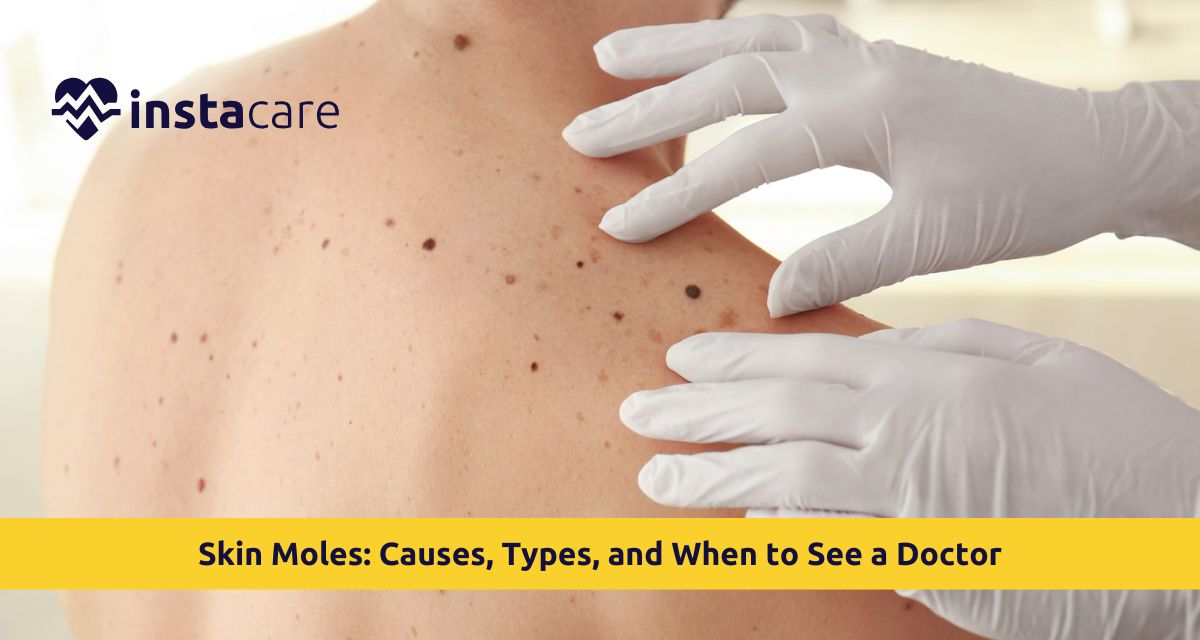
Having more knowledge on moles increases the awareness of when they are a healthy part of your skin and when they could mean something is not healthy. They can develop anywhere on the body, including the Skin moles on face, arms, chest, or near the nails. Knowing the cause, types, and symptoms helps maintain healthy skin.
What Are Skin Moles?
Moles, or nevi if otherwise referred to, are groups of cells made up of melanocytes, which is a pigment. Rather than appearing in an even fashion on the skin, the cells congregate in one area that may be irregularly colored and shaped. Moles are flat on the skin, and some protrude above the skin. They are light brown and black, but may also go pink or flesh-colored. Freckles are light spots because of the sun, whereas moles are more permanent and may change in the long run. Skin moles vs freckles freckles will disappear with less sunlight, but moles don't change unless from hormonal influence or environment.
Skin Moles Types
There are various Types of skin moles, and every one is characterized by something unique. Being able to identify these sorts of skin moles can assist in deciding which ones need to be examined under the medical gaze:
- Common moles: Typically less than 6 millimeters in size, spherical, and solid color.
- Congenital moles: On the body from birth, most commonly irregular in size and can cover much space. Congenital moles that are big tend to be more likely to develop melanoma.
- Dysplastic moles: Odd shape, mottled pigmented and to the larger side. Usually inherited, they would need observing from time to time.
- Spitz moles: Red or pink dome-shaped moles with the possibility of being mistaken for melanoma when seen.
- Atypical moles: Both common moles and dysplastic moles share such characteristics and will usually need closer observation.
By being able to tell these apart, dermatologists can further recommend if removal or observation is necessary.
Causes of Skin Moles
The pathogenesis behind moles is all a combination of environmental, hormonal, and genetic factors. Sun's or tanning bed ultraviolet (UV) light is one of the most common Skin mole causes, and it makes the melanocytes clump together and darken.
Genetics also plays a big role if your parents or grandparents had lots of moles, you'll get moles as well. Hormonal Skin mole changes during puberty, pregnancy, or menopause also bring new moles on or darken existing ones. Moles are usually harmless, but watch for any change.
When Are Moles a Threat
While the majority of moles are not cancerous, there are times when they can have a potential indicator of an oncoming health hazard. Moles with the following Skin mole symptoms to watch out for to prevent an early melanoma diagnosis are important:
- An changing mole
- Hairy or jagged borders
- Various colors, e.g., brown hues, red, or black in a mole
- New moles that are at or over 30 years of age
- Persistent itching, pain, or bleeding
These are signs that the mole is not normal. The "rule of thumb" for doctors like dermatologists is the "ABCDE" rule: Asymmetry, abnormal border, asymmetrical color, bigger than 6 millimeters, and Evolution (changing over time). If a mole possesses these warning signs, then it's time to see an expert.
Diagnosis and Medical Evaluation
Dermatologists generally investigate moles bare eye under magnifying tools to check their borders, shape, and color. If the mole is suspected, the physician might put the patient through a skin mole biopsy where the mole is partially or entirely removed to be analyzed microscopically. It will tell one if the mole is cancerous or not.
Dermatoscopes, or specialized equipment, can in some instances be utilized to map out a clear image of mole formations under the skin's surface. It is the most important step to diagnose moles of the skin and vulnerability to cancer in its initial stages, thereby increasing the treatment's efficiency quite a great deal.
Treatment and Removal Options
It is not always necessary to remove benign moles, though removal is usually elected by most for aesthetic purposes or where the mole is found in an area which will likely rub off, such as clothing seams. Moles that have been removed from the skin may be accomplished in several ways:
- Surgical excision: The mole is entirely removed surgically, typically with sutures closing the wound.
- Shave excision: The mole is shaved away to lie on the skin surface, often with little scarring.
- Laser removal: High beams vaporize pigment and destroy small, harmless moles with little recovery time.
A professional is preferable to attempting it yourself, since attempting to shave or burn off a mole can lead to infection, scarring, or failing to remove some.
Prevention and Skin Care Tips
You can't prevent all moles from developing, but healthy habits minimize risk and maintain healthy skin. Daily use of sunscreen, even on cloudy days, prevents UV radiation. Wear protective clothing, a hat, and eyewear, too, to reduce exposure. Steer clear of tanning beds, too, as artificial UV radiation greatly increases melanoma risk.
Inspecting your skin regularly for new or growing moles is very crucial if Skin moles and cancer is common in your family. Regular Skin mole dermatology consultation ensures suspicious moles are detected early enough. Regular routine treatment is the key to preventing skin moles.
Myths vs. Facts About Moles
There are a number of myths regarding moles. Others perpetuate the notion that any mole is cancerous, but only a few are. Another myth is that if a mole is removed, it will reappear in the same place where it was removed; this is not true. Professional skin mole removal is safe and effective.
People also apply oils, pastes, or herbs in their attempts to make moles smaller or whiten them, but Skin mole natural remedies fail and cause irritation. Medical attention is always preferable to home remedies that were never attempted.
Skin Moles on the Face
Face moles are more conspicuous due to their location. Though harmless to the majority, they are a nuisance or a matter of confidence if they are close to the eyes, nose, or the lips. Risk-free procedures for the removal of face moles by cosmetic centers include removal via laser or mini-surgery without a scar. Because facial skin is weaker in nature, self-removal attempts should never be attempted. A visit to a dermatologist guarantees that the mole is safely removed without damaging health or appearance.
Conclusion
Moles are a feature of human skin and, in most cases, harmless, but any increase in size, shape, or color should not be dismissed. Monitoring changes in moles on the skin means that you identify suspicious moles as early as possible. Mole cause consciousness, cancer warning sign knowledge of skin mole, and booking early consultation with a dermatologist on skin moles are significant in long-term skin care.
If you require medical or cosmetic examination for skin moles removal, professional treatment yields satisfactory and safe outcomes. While others seek out natural remedies for skin moles, only a skin mole treatment program from a dermatologist is ever last. With sun protection, follow-up visits, and a little common sense about freckles and skin moles and knowing the difference, you can keep your skin healthy and have it in as good of health as possible.
Please book an appointment with the best Dermatologist in Lahore, Karachi, Islamabad, and all major cities of Pakistan through InstaCare, or call our helpline at 03171777509 to find the verified doctor for your disease.