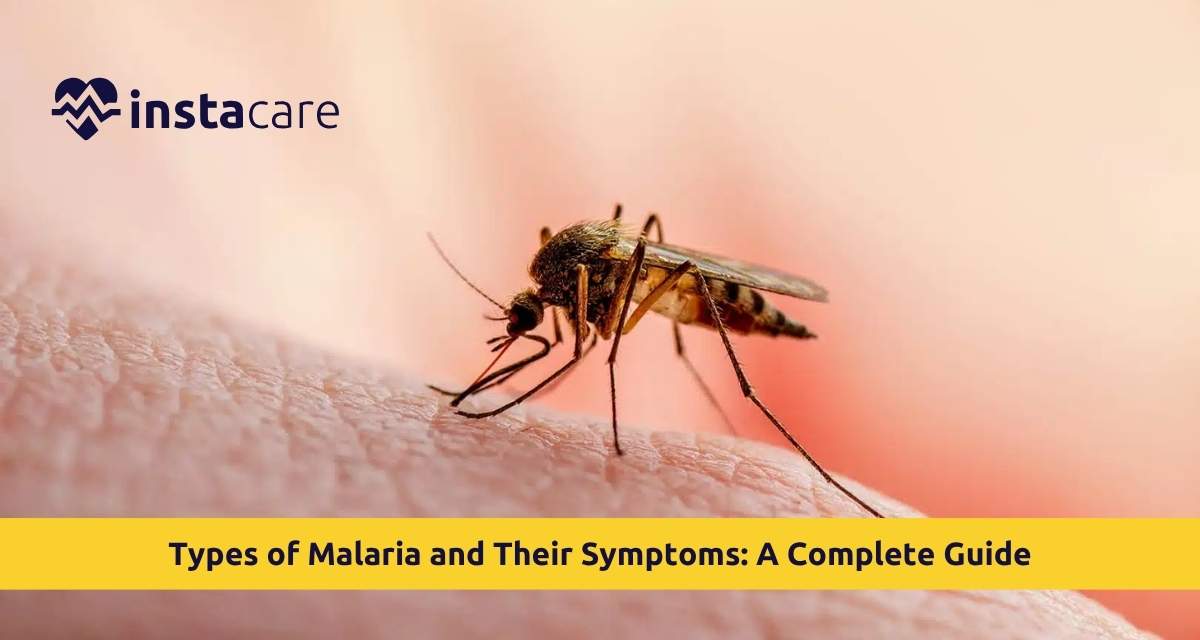
aa It is important to learn about various forms of malaria and the symptoms to treat it early and prevent complications. There is a particular parasite species that causes each of the types and exhibits a slightly different pattern of illness.
What is Malaria?
The initiation of malaria occurs after an infected mosquito bites a person in order to inject the blood with parasites. These parasites initially attack the liver where they can multiply without any symptoms, before attacking red blood cells resulting in symptoms. The disease normally presents itself as periods of fever, chills and sweating that can be repeated on a number of days. Malaria will continue and induce vital organ damage in its absence of treatment.
Various Types of Malaria
Human malaria is caused by five principal types of malaria. Of the two types, each has its own plasmodium species and differs in terms of severity, symptoms, and the chance of relapse.
1. Plasmodium falciparum Malaria
The worst and most fatal type of malaria is Plasmodium falciparum. It is common in Africa and can be observed in some portions of Japan, Asia and Latin America. This parasite proliferates quickly and has the ability to infect red blood cells of all ages resulting in a high parasite load in the body. This kind of malaria fever patterns demands immediate medical care due to the fact that it may soon escalate to life threatening complications when not attended to immediately.
Symptoms
These malaria symptoms list is usually severe and may deteriorate quickly.
- Irregular and high fever.
- Shivers with a high degree of severity and then sweating.
- Intense headache
- Disorientation
- Nausea and vomiting
- Severe anemia
- Difficulty breathing
It can cause some complications like cerebral malaria and organ failure in its advanced stages.
2. Plasmodium vivax Malaria
One of the most widespread malaria types in the world is plasmodium vivax. It tends to be not as severe as falciparum malaria but has a special power to be latent in the liver and results in reviving after medication. This variety is widespread in Asia, Latin America and in certain regions of Africa.
Symptoms
These severe malaria symptoms are more regular and are not severe but recurring.
- Every 48 hours fever
- Chills are then followed by excessive heat loss.
- Fatigue and weakness
- Headache
- Enlarged spleen
Constant relapses might cause chronic weakness in cases not well controlled.
3. Plasmodium ovale Malaria
Plasmodium ovale is a relatively uncommon form of malaria, which occurs primarily in West Africa and some parts of the Pacific. Similar to Plasmodium vivax, it is capable of remaining in a dormant state in the liver and leading to recurrences. It is typically mild, but it still needs treatment in order to never recur.
Symptoms
The symptoms are similar to vivax malaria but usually milder.
- Fever with frequency every 48 hours.
- Shivers and perspiration.
- Muscle aches
- Mild fatigue
- Light anemia
In the majority of situations, the patients can recover well with proper treatment.
Book your Malarial Parasite Smear from Khan Lab Lahore and enjoy a 20% discount.
4. Plasmodium malariae Malaria
Plasmodium malariae is a comparatively uncommon sort of malaria that results in protracted infections. It becomes widespread throughout the world but with lower rates than in the case of other species. The parasite colonizes the old red blood cells and replicates gradually causing a less intense, but more lasting disease.
Symptoms
The symptoms are mild but may take years to resolve in case of neglect.
- Fever every 72 hours
- Chills and sweating
- Mild anemia
- General malaise and tiredness.
Rarely, it can lead to kidney related issues.
5. Plasmodium knowlesi Malaria
Plasmodium knowlesi is a Zoonotic type of malaria, i.e., it is an animal (monkeys) to human infections. It is mostly prevalent in Southeast Asia. This type has the ability to increase rapidly in the body and it can be severe unless it is treated early.
Symptoms
The symptoms may develop very quickly and may appear as acute malaria.
- Daily fever spikes
- Chills and sweating
- Headache
- Muscle pain
- Fatigue
Due to the fast development, the diagnosis is highly significant.
Common Symptoms of Malaria
General Symptom Pattern
Despite the peculiarities of each of the types of malaria, a lot of symptoms are similar. These symptoms are likely to show in 10-15 days following the mosquito bite. Malaria usually has a cyclical form in which fever and chills erupt and fade with time depending on the type of parasite.
Common Signs to Watch For
- Shills and high fever.
- Sweating episodes
- Headache
- Myalgia and pains
- Nausea and vomiting
- Extreme tiredness
In extreme situations, confusion, seizures, breathing problems can be symptoms noted.
When to Seek Medical Help?
Malaria might escalate rapidly, particularly among children, pregnant women and those with compromised immune systems. Early diagnosis and intervention will greatly enhance the recovery.
Warning Signs
- Continuous or excessive fever.
- Difficulty breathing
- Repeated vomiting
- Confusion or unconsciousness
Prevention of Malaria
Personal Protection
The best Malaria treatment option is by protecting yourself against mosquito bites.
- Wear mosquito repellents.
- Sleep under bed nets that are covered with insecticides.
- Wear long-sleeved clothing
- Use indoor mosquito control methods
Environmental Measures
Lessening the breeding places of the mosquitoes is also vital to health in the community.
- Do not have stagnant water.
- Maintain cleanliness and dryness of surroundings.
- Fund local horse mosquito control programs.
Prophylactic drugs can also be prescribed to travelers in which there are high-risk areas.
Conclusion
Malaria is a complicated disease and has various types caused by various types of Plasmodium. The common Plasmodium vivax may relapse, the serious Plasmodium falciparum can be spotted, but it is crucial to understand the elements of these variations and treat illnesses as soon as possible.Some may be mild but some may soon turn out to be life threatening. The most important in alleviating the world burden of malaria are awareness, prevention and early treatment.
Please book an appointment with the best Internal Medicine Specialist in Lahore, Karachi, Islamabad, and all major cities of Pakistan through InstaCare, or call our helpline at 03171777509 to find the verified doctor for your disease.