Infections are common in the upper respiratory tract, particularly in the time of changing seasons and in cooler seasons. Such places like schools, workplaces, and transportation are usually crowded which puts more people at risk of being infected. Although the majority of the cases are resolvable without any problems, their knowledge of what the condition is will enable individuals to overcome the symptoms and know when they need medical attention.
What Is an Upper Respiratory Infection?
An Upper respiratory tract infection (URTI) is a condition that occurs in the airway structures that lie above the lungs. These infections are normally acute and self-limiting; that is, a patient can heal on his own with simple care. URTI does not normally result in severe breathing problems, which are typical of lower respiratory infections. Nevertheless, it can disrupt the routine, employment, and sleep when such symptoms as congestion, irritation of the throat and tiredness appear.
Components of the Upper Respiratory Tract
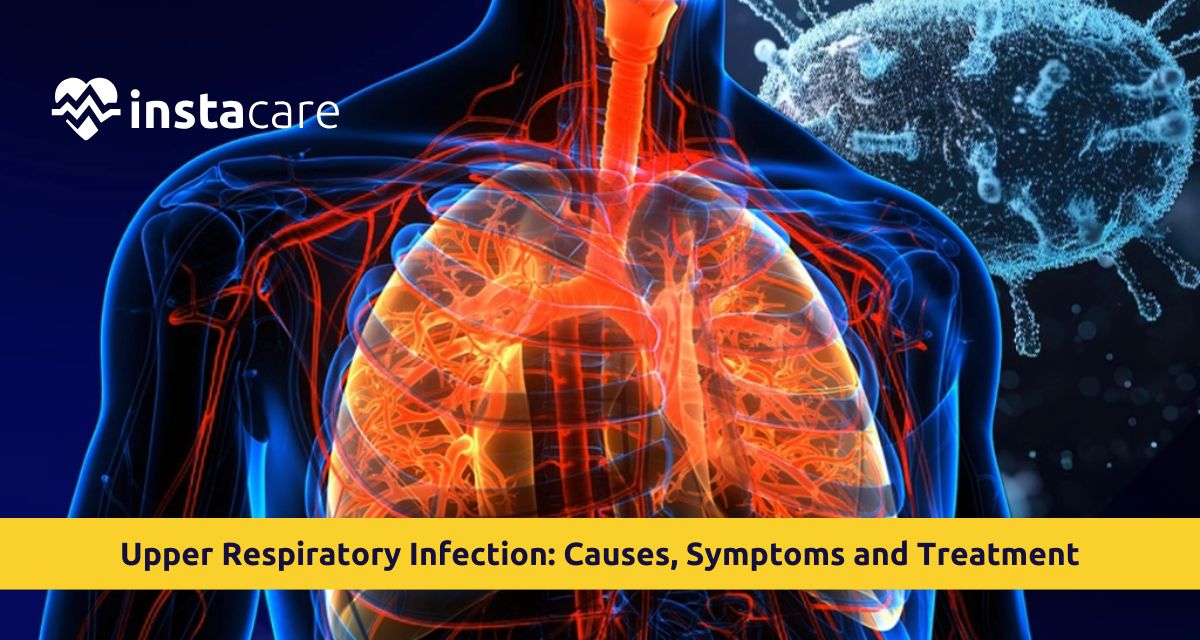
There are a number of openings that are attached to each other in the upper respiratory tract. One can be infected in one or more areas at the same time. Key parts include:
- Nose and nasal passages
- Sinuses
- Throat (pharynx)
- Voice box (larynx)
These inflamed areas can cause airflow to be limited and mucus is produced more often which causes congestion and discomfort.
Reasons behind Upper Respiratory Infections
Viruses are the cause of most upper respiratory infection thus very contagious. Viral infection of the upper respiratory system is usually transmitted between people as a result of droplets when coughing, sneezing, or speaking. In other instances, the bacteria can be culpable. Bacterial upper respiratory infection is less frequent and occurs when the symptoms do not cease or the initial viral infection is complicated. Other causative factors are:
- Sudden weather changes
- Weak immune system
- Smoke and air pollution.
- Poor hand hygiene
- Stress and lack of sleep
Types of Upper Respiratory Infection
Depending on the location of the tract, the symptoms of upper respiratory infections differ. Common types include:
- Common cold
- Sinus infection
- Throat infection
- Laryngitis
The conditions have slightly different manifestations and are related to similar causes and treatment options.
Symptoms of Urinary Tract Infection
The symptoms tend to come about slowly and may be mild to moderate. The severity is usually age-wise and general health-wise and immunity. Common symptoms include:
- Runny or blocked nose
- Sore or scratchy throat
- Sneezing
- Mild to moderate fever
- Headache
- Cough
- Fatigue and weakness
In children, the condition may manifest as irritability whereas adults usually complain of body aches and low level of energy.
Read More: Mullein Tea: Benefits, Uses, and How to Brew It for Respiratory Health
Methods of Transmission of Upper Respiratory infections
The respiratory infection manifests itself at the upper level and is easily spread in common rooms. It is transmitted by:
- Breathing in of respiratory droplets of an infected individual.
- Contacting dirty dealings and contacting the face.
- Intimate physical contact, e.g. Utensils sharing or handshake.
The hygiene practices must be good to minimise the spread.
Diagnosis of Upper Respiratory Infection
Clinical symptoms and physical examination are typically used in diagnosis. Medical workers can investigate the throat, nose, and ears to eliminate complications. Diagnostic tests would hardly be needed unless:
- The persistence of symptom duration is prolonged.
- Fever becomes severe
- Difficulties in breathing occur.
Most of the instances can be diagnosed with a detailed medical history.
Treatment Options of Upper Respiratory Infection
The Upper respiratory infection treatment is aimed at alleviating symptoms and contributing to the natural healing of the body but not treatment of the infection. Treatment methods that are commonly used include:
- Adequate rest
- Drinking plenty of fluids
- Pain relievers that a person can purchase over-the-counter.
- Saline nasal sprays
- Steam inhalation
Upper respiratory infection antibiotics are prescribed only when it is proved the cause is a bacterium. Viral upper respiratory infection is not affected by the antibiotics and must not be used without any need.
Prevention of Upper Respiratory Infection
Although one cannot always avoid infection, some habits can reduce it by a great deal. Preventive measures that can be useful are:
- Hand hygiene through regular washing of hands using soap and water.
- Staying away of infected persons.
- Wearing a covering on the mouth when sneezing or coughing.
- Washing of constantly touched surfaces.
- Having a healthy immune system by eating well and sleeping.
Prevention is also significant in the minimization of recurrent infections.
When to See a Doctor?
In case the symptoms do not improve or get worse with time, medical attention should be sought. See a medical professional when:
- Symptoms take over a duration of 10 days.
- The temperature is elevated or unremitting.
- There is difficulty in breathing.
- Acute pain in the throat or ear is developed.
Infants, elderly and people with chronic illnesses should seek care earlier in order to avoid complications.
Conclusion
The infections commonly include the upper respiratory infections which are usually mild yet because a great deal of discomfort when not properly handled. The understanding of their causes, early symptoms, and correct precautions in their treatment would increase the rate of recovery and reduce the risk of complications. Most of the people recover under the rest, hydration, and the general supportive therapy. Proper hygiene and lifestyle choices are the most efficient way of preventing the recurring infection and improving the overall condition of the respiratory health.
Please book an appointment with the best Pulmonologist in Lahore, Karachi, Islamabad, and all major cities of Pakistan through InstaCare, or call our helpline at 03171777509 to find a verified doctor for your disease.