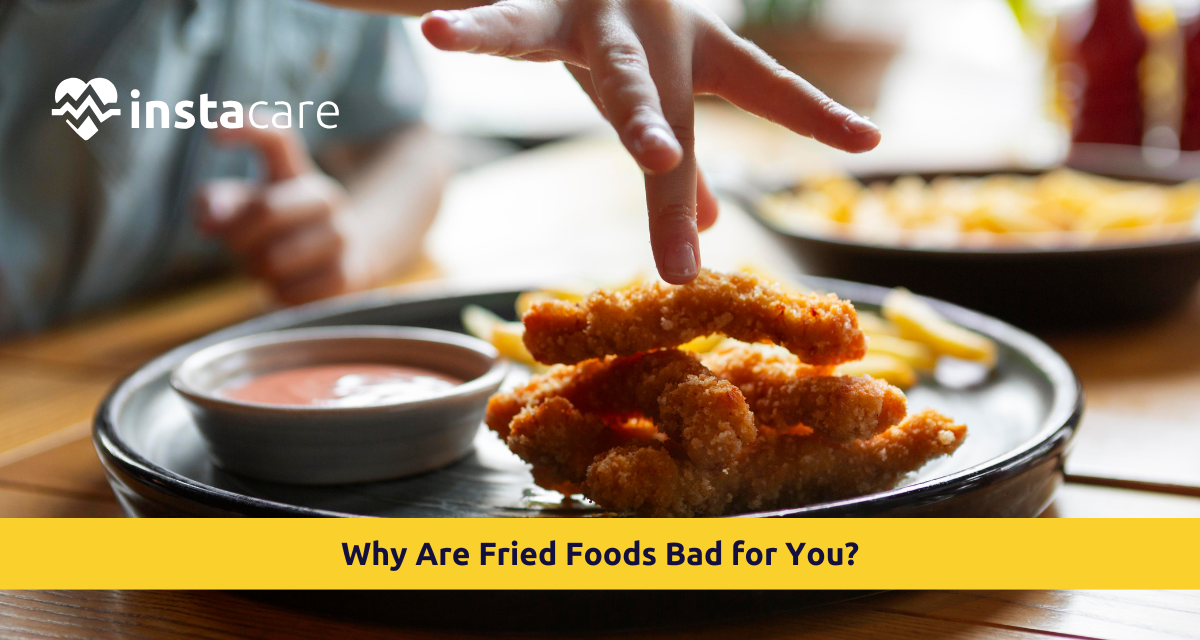
What Happens When Food Is Fried?
In case of frying, food is cooked in hot oil (usually, 160-200degC). This process changes the nutritional profile of the food and the structure dramatically. There are six main changes that take place during frying and these are as follows:
Increased Calorie Density
Frying imparts the oil to the food greatly adding to the calorie count. Even the healthy foods such as vegetables are high-calorie when they are deep fried. Why it matters:
- Leads to overeating
- Adds to fried food and weight gain.
- Lowers the nutritional balance.
Loss of Nutrients
B vitamins and vitamin C are some of the vitamins destroyed by heat. Impact:
- Reduced nutritional value
- Less antioxidant content
- Reduced overall health benefits.
Formation of Trans Fats
Oils when repeatedly heated may form trans fats which have been closely associated with heart disease. Harmful effects of Fried food and heart disease:
- High LDL (bad cholesterol)
- Lower HDL (good cholesterol)
- Higher inflammation levels
Oxidation of Oils
When oil is subjected to high temperatures again and again, it undergoes oxidation resulting in the formation of potent free radicals. Health effects:
- Cellular damage
- Accelerated aging
- Increased disease risk
Higher Glycemic Load
Frying may enhance the glycemic effect of some foods particularly starches such as potatoes. Consequences:
- Blood sugar spikes
- Greater Fried foods and diabetes risk.
- Diabetic long-term resistance to insulin.
Toxic Compounds Formation
Frying generates toxic chemicals, which are not found in raw and light cooked foods. These substances are associated with health problems that may be lasting, and they are mentioned below.
What Are Harmful Compounds Formed During Frying?
Frying also produces a number of potentially harmful substances, in particular, with reuse or excessive heating of oils. Common harmful compounds:
- Acryl amide: It develops in carbohydrate foods such as fries; it is associated with the development of cancer.
- Advanced Glycation End Products (AGEs): Stimulates inflammation and aging.
- Polycyclic Aromatic Hydrocarbons (PAHs): Causal of cancer.
- Lipids that are oxidized: Cause heart disease.
These substances are a significant cause of the deep-fried food health effects that have been emphasized in most nutrition research.
Read More: Top 8 Side Effects Of Fried Foods You Need To Know
Recommended Moderation Guidelines for Fried Food
You need not go out and quit fried foods but you need to take them in moderation.
General guidelines:
- Minimize fried foods to a special occasion (no more than 1-2 times a week)
- Avoid daily consumption
- Select a smaller size of portions.
- Combine fried foods with foods that are high in fiber such as salads.
Who should be extra cautious:
- Individuals having elevated cholesterol.
- Patients who have high blood pressure.
- Those at risk of diabetes
- Anyone trying to lose weight
This is particularly so because there are associations between fried food and cholesterol and fried foods and blood pressure.
What Are Healthier Cooking Alternatives?
Replacing cooking techniques would help maintain the taste and make it healthier.
Better cooking options:
- Baking: Uses minimal oil
- Grilling: Tastes good with no unnecessary fat.
- Steaming: Retains nutrients
- Air frying: Simulates oil frying.
- Sauteing: It utilizes small quantities of healthy fats.
More healthy oils (when frying every now and then):
- Olive oil
- Avocado oil
- Coconut oil (in moderation)
These options greatly lower the Health risks of fried foods.
Tips to Reduce Fried Food Consumption
Downsizing does not necessarily need to be a challenge. Minor adjustments can be quite significant.
Practical tips:
- Cook more meals at home
- Food to avoid is fast foods and fried snacks in streets.
- Substitute fries with roasted vegetables.
- Prefer grilled food when eating out.
- Look at food labels on the fried ingredients that are hidden.
Behavioral strategies:
- Plan meals in advance
- Stock up on healthy snacks.
- Eat smaller amounts of food gradually.
Consumption of fried food and cardiovascular diseases and metabolic disorders can be reduced by decreasing the consumption.
Conclusion
Fried foods are good but the long-term health effects cannot be ignored. Starting with the amount of calories consumed and the formation of Trans fats in fried foods, and progressing to toxic chemical compounds formed through the course of high-heat cooking, an increased frequency of consumption might increase the chances of developing a heart disease, obesity, diabetes, and inflammation. As much as it is okay to indulge occasionally, having a healthier approach on cooking and the decreased use of fried food can greatly help to improve well being. Considerable steps in mindful food choices can result in health improvements in the future.
Please book an appointment with the best Nutritionist in Lahore, Karachi, Islamabad, and all major cities of Pakistan through InstaCare, or call our helpline at 03171777509 to find a verified doctor for your disease.