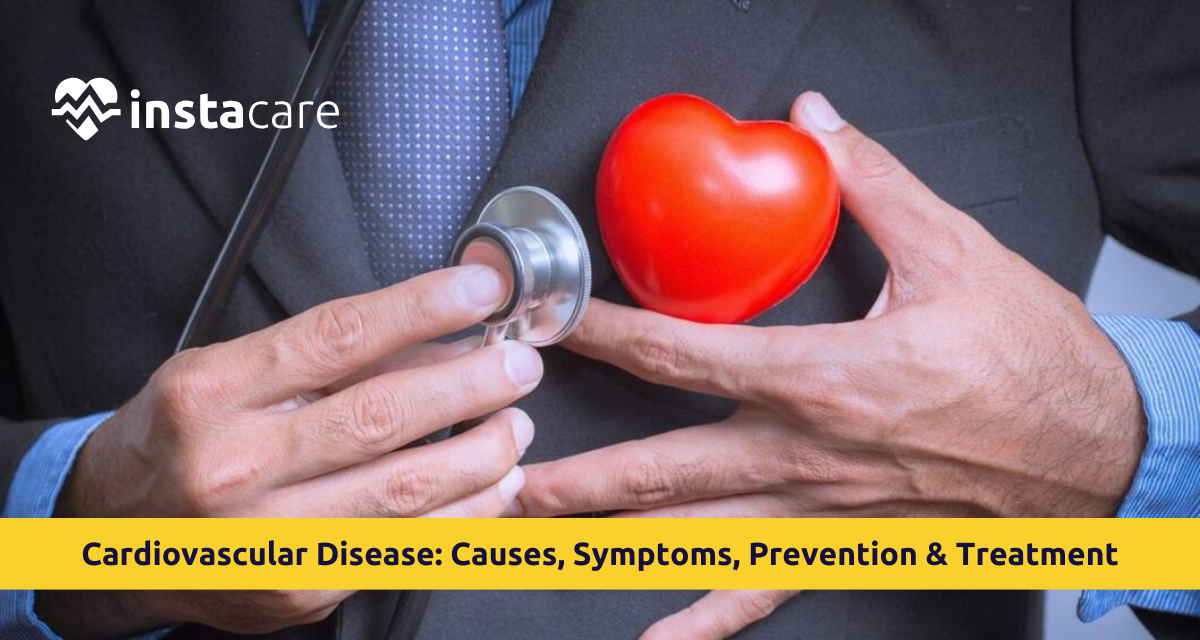
One of the most deadly causes of death is cardiovascular
disease (CVD) in which millions of people perish annually all over the globe.
It can be described as a cluster of the disorders that affect the blood vessels
and heart, which seems to be formed quietly during the course of time. The
instances whereby the knowledge about the early age and alteration of lifestyle
might be applied to avoid the occurrence are numerous.
The risks of complications and the heart condition in the long term can be minimized greatly through the learning of the warning signs, the measures to prevent the causes and prevent the complications.
What Is Cardiovascular Disease?
The cardiovascular disease is a general term which is applied in reference to the disorders that have an impact on the heart and the circulatory system. It contains the conditions that are connected with narrowed or blocked blood vessels that may cause severe complications.
Some common
instances of cardiovascular disease are:
- Coronary
artery disease
- Heart
failure
- Arrhythmias
- Peripheral
artery disease
- Congenital heart defects
CVD is closely associated with Heart disease and stroke by many people since both of them are directly connected to the health of the circulatory system.
Causes of Cardiovascular Disease
Causes of cardiovascular disease have many causes and they may be either lifestyle-related or biologically related.
Main underlying causes:
- Deposition
of fats in the arteries.
- Chronic
inflammation
- Hypertension:
Increased blood pressure with no treatment.
- Poor
cholesterol balance
- Vascular injurious effects of diabetes.
Atherosclerosis is one of the most frequently occurring mechanisms in which plaque is deposited within arteries and limits blood circulation.
Risk Factors of Cardiovascular Disease
There are some factors that predispose the risk of developing CVD significantly.
Major Risk
factors for cardiovascular disease:
- Smoking
- Sedentary
lifestyle
- Obesity
- Diabetes
- Heart disease in the family.
One of the biggest causes of this is the High blood pressure and heart disease, which causes the damage of the arteries and over-strains the heart due to prolonged high blood pressure.
Other
contributing factors:
- Poor diet
- Chronic
stress
- Excess
alcohol intake
- Aging
Signs and Symptoms of Cardiovascular Disease
Cardiovascular disease diagnosis is life-saving. The Cardiovascular disease symptoms are different with respect to the condition.
Common symptoms include:
- Angina
pectoris (squeezing, pains in the chest).
- Shortness of
breath
- Fatigue
- Palpitations
- Swelling in legs or ankles
Chest
discomfort may be experienced in instances of Coronary artery disease; this is
mostly associated with activities that involve use of muscles especially when
the heart gets less blood supply.
Women can
have less noticeable symptoms that include:
- Nausea
- Jaw pain
- Dizziness
- Unusual fatigue
How Cardiovascular Disease Is Diagnosed?
The initial diagnosis plays a crucial role in preventing complications.
Common diagnostic methods:
- Blood
pressure measurement
- Lipid
profile (cholesterol test)
- Electrocardiogram
(ECG)
- Echocardiogram
- Stress
testing
- CT or MRI scans
Physicians can also assess the family history, lifestyle habits, and overall metabolism.
Treatment Options of Cardiovascular Disease
The
treatment is determined by the nature and intensity of the condition.
Medications
Doctors may
prescribe:
- Blood
pressure medications
- Statins are
cholesterol-blocking medications.
- Blood
thinners
- Beta-blockers
These are
used to treat the symptoms and avoid complications.
Lifestyle Modifications
The initial
treatment option is usually lifestyle modification:
- Healthy diet
- Regular
exercise
- Smoking
cessation
- Weight management
Medical Procedures
In serious
cases, interventions can be required:
- Angioplasty
and stenting
- Bypass
surgery
- Pacemaker implantation
Early intervention may greatly enhance the survival and life quality.
Prevention Strategies of Cardiovascular Disease
CVD can be prevented by preventive health care.
Best prevention strategies:
- Check blood
pressure on a regular basis.
- Keep
cholesterol levels in good condition.
- Control
blood sugar
- Stay
physically active
- Avoid tobacco use
Early screening and awareness-raising are the priorities of public health programs to limit the burden of heart disease across the world.
Lifestyle Tips for Better Heart Health
Even little
everyday things can be of great help.
Lifestyle
tips to maintain the heart health:
- Have a
healthy balance in diet consisting of fruits and vegetables.
- Limit
processed food and trans fat.
- Stay
hydrated
- Sleep 7-9
hours daily
- Mindfulness or physical exercise as a way of stress management.
Workouts also help improve blood circulation and develop the cardiac muscle.
When to See a Doctor?
You should
visit the doctor because you might be having:
- Persistent
chest pain
- Sudden
shortness of breath
- Fainting or
dizziness
- Unusual or
fastened heart rate.
- Swelling in limbs
The heart attacks or strokes are some of the severe complications, which can be avoided through early intervention. Particularly frequent examinations are required for individuals at risk.
Conclusion
Cardiovascular disease is a condition that is extremely widespread in our world and can be prevented by raising awareness and detecting it at an early stage. Being aware of the causes, symptoms, and risk factors is essential for managing individuals' hearts.
The risk of cardiovascular complications can be significantly reduced by adopting healthier lifestyle choices, managing underlying conditions, and undergoing timely diagnostic evaluation. Activity for heart health not only extends the heart's lifespan but also enhances quality of life.
Please book an appointment with the Best Cardiologist in Lahore, Karachi, Islamabad, and all major cities of Pakistan through InstaCare, or call our helpline at 03171777509 to find a verified doctor for your disease.