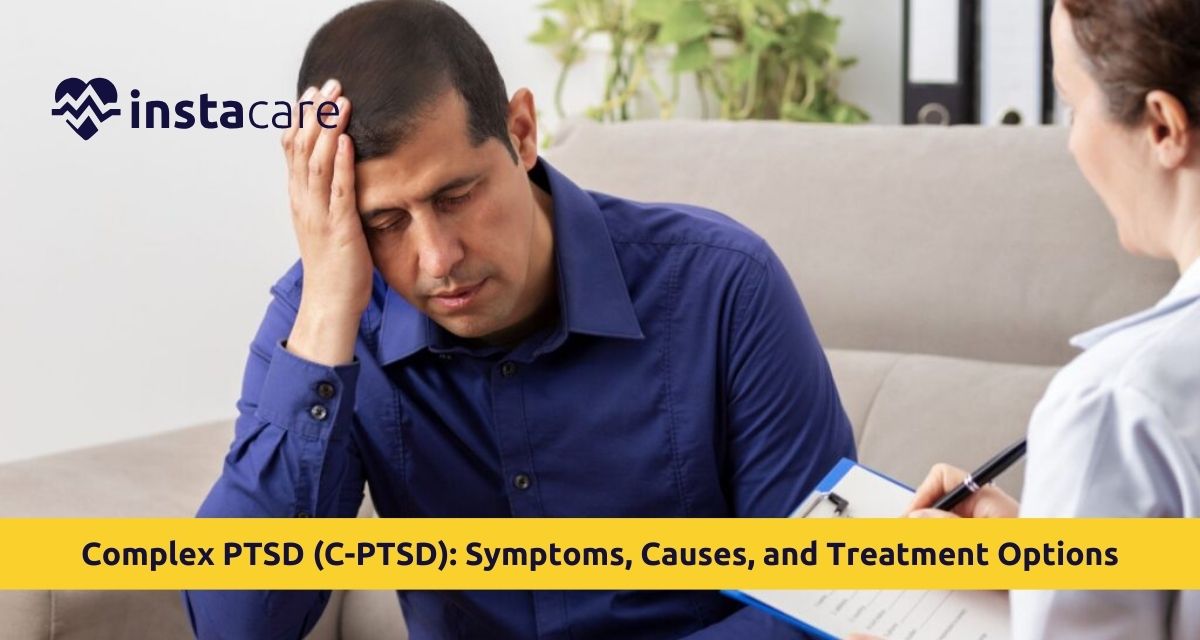
Complex post-traumatic stress disorder (C-PTSD) is a mental illness that is a result of trauma exposure, either childhood or under the conditions under which the escape is impossible. In contrast to the traditional PTSD that can be involved in one traumatic experience, complex PTSD in adult human beings is usually caused by prolonged physical, emotional or psychological abuse, neglect, or capturing.
The identification of the CPTSD symptoms and the reasons is an essential requirement to be able to cope with these symptoms and attain a complex recovery of PTSD. With the help of the relevant therapy and coping mechanisms, people can resume their emotional stability and live healthier lives.
What Is PTSD?
Post-traumatic stress disorder (PTSD) is a mental disorder that happens as a result of the being subjected to or observing traumatic events. The common symptoms include intrusive memories, flash Back, nightmares, hyper vigilance and avoiding trauma reminders. Despite the possibility of PTSD afflicting any human being, complex post traumatic stress disorder is obtained in the course of a long period of time as a consequence of repeated traumas and not of one traumatic experience. C-PTSD is also reported to contain all the typical symptoms of PTSD as well as being complicated by the issue of emotional regulation, self-perception and relationship issues that complicate treatment.
What Causes Complex Ptsd?
C-PTSD is typically occasioned by the long-lasting trauma whereby a person feels imprisoned and helpless. Common causes include:
- Childhood Abuse Or Neglect: Childhood emotional, physical or sexual abuse.
- Domestic Violence Or Intimate Partner Abuse: Years of experience of controlling or abuse relationships.
- War, Captivity Or Torture: Trauma in the Inescapable places.
- High-Enduring Medical Trauma: Surgery or life-threatening illnesses which are recurrent.
Experiences of this nature are likely to disrupt the identity of a person and leave an everlasting impact on their emotional regulation, confidence and lack of safety.
How Is Complex Ptsd Different From Ptsd?
Despite the fact that the PTSD and C-PTSD share certain core issues like flashbacks and avoidance behavior, a complex PTSD treatment deals with other issues. Key differences include:
- Emotional Dysregulation: C-PTSD is likely to lead to the dramatic swings in emotions and the impossibility to manage the anger, sadness, or fear.
- Negative Self-Perception: There is possibility that individuals have a feeling of perennial worthlessness, shame, or guilt.
- Interpersonal Problems: Relation keeping problems, due to mistrust or fear of intimacy.
- Persistent Sense Of Danger: the hypervigilance and the increased anxiety are more noticeable.
These differences are critical to the tailoring of treatment plans and complex PTSD recovery plans because of the knowledge of these differences.
Common Symptoms Of Complex PTSD
C-PTSD can present with many symptoms however most victims experience a mixture of the following:
- Intrusive Thought: nightmares, flashbacks, intrusive memories of the trauma.
- Avoidance: It is the process of not experiencing the situation, the people or reminders which are connected to the trauma.
- Emotional Dysregulation: Passionate, irritable, or difficult-to-calm experts.
- Negative Self-View: Guilt, shame or permanent damage.
- Interpersonal: Problems: Is barely able to trust people or is isolated or detached.
- Hyperarousal: It is easy to startle, tense or prone to being on the edge.
Early detection of these symptoms of CPTSD could lead to more fruitful interventions.
Diagnosis Of Complex PTSD
The C-PTSD diagnosis presupposes an extensive examination by a specialist in the mental health. Clinicians typically use:
- Clinical Interviews: Accounts of the history of prior trauma and affective wellness and symptomology.
- Psychological Measures: PTSD and other conditions related to it will be measured with Inventories and standardized questionnaires.
- Observation: The behavioral patterns, interpersonal functioning and emotional reactions.
The valuable feature of complex PTSD treatment is that this therapy is available only on early diagnosis and would safeguard against the long-term consequences.
Physical Symptoms Associated With C-Ptsd
Complex PTSD is not present in the emotional and psychological dimension alone, it is likely to manifest itself in physical form as well:
- Fatigue and loss of vitality.
- Insomnia or nightmares.
- Digestive problems, including stomach upsets or irritable bowel syndrome.
- Pain or headache caused by tension.
- More susceptible to illness due to the effect of stress on the immune system.
These symptoms can be treated in combination with the management of symptoms to increase the quality of life.
Read More: What is Aromatherapy?
Coping Strategies And Self-Help Techniques
In addition to the medical intervention, a set of self-help measures is present, that allow stabilizing the emotions and reflect:
- Mindfulness And Meditation: Assist emotional control and apprehension.
- Journaling: An excellent way of dealing with trauma and reviewing the progress.
- Support Networks: This isolation can be reduced by the close friends, family or support groups.
- Grounding Techniques: The grounding techniques, such as sensory attention, or deep breathing are directed at dealing with flashbacks.
- Day To Day Unstructured Routines: This helps to foster the sense of stability and serves to decrease uncertainty that bring about stress.
These treatments are beneficial though they work best as a combination with formal complex PTSD treatment.
Treatment Options For Complex PTSD
Support, medication and complex PTSD therapy in combination are normally effective:
Psychotherapy:
- Cognitive Behavioral Therapy (Cbt): Assists in refuting the false thought patterns.
- Trauma-Focused Therapy: Trauma-focused therapy involves application of EMDR (Eye Movement Desensitization and Reprocessing) when dealing with the trauma memories.
- Dialectical Behavior Therapy (Dbt): Dialectical Behavior Therapy is concentrated on the emotional control and coping skills.
- Treatment: The depression, anxiety, or insomnia can be treated using antidepressants or anti-anxiety medication.
- Group Treatment And Support Systems: Community, Sharing, and Emotional management.
Combining these techniques enhances the remediation of complicated PTSD, along with resilience.
Impact On Daily Life And Relationships
The C-PTSD can result in serious impacts on the functioning:
- Issue with problematic employment or performance at school.
- Incidents of poor relationship due to mistrust, anger or withdrawal.
- Shy of social life or sex.
- Poor self image and self confidence.
The remedies of such ills are important as regards normalcy and quality of life recovery with the help of therapy and support groups.
When To Seek Professional Help?
The C-PTSD symptoms should be addressed by the professional since they may impact the normal life greatly. Signs include:
- Unremitting flashbacks or nightmares.
- Intensive emotional imbalance at work place or in relationships.
- Constant anxiety or depression.
- Suicidal and self-harming ideation.
Timely intervention is a definite prescription of the good outcomes and preventive rise in symptoms.
Conclusion
Complex post-traumatic stress disorder is a severe long term trauma that has effects on emotional, psychological and health functioning. Early diagnosis and consciousness of the symptoms of CPTSD, the causes of it, and the search of the corresponding redress all are milestones towards the process of recovery of complex PTSD. The symptoms can be overcome with the help of professional therapy, positive coping mechanisms as well as awareness and lead to healthy lives. Regular treatment is possible to regulate emotions and have interpersonal issues and recover by applying a multi-facet approach.
Please book an appointment with the best Psychologist in Lahore, Karachi, Islamabad, and all major cities of Pakistan through InstaCare, or call our helpline at 03171777509 to find a verified doctor for your disease.