What Is Cystic Acne?
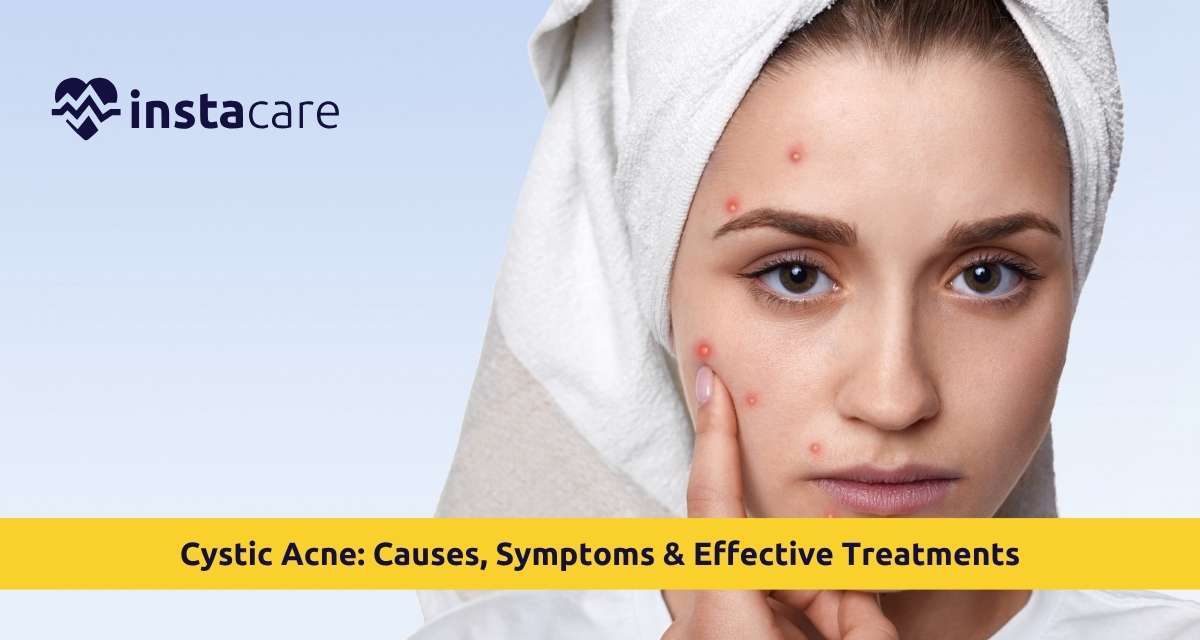
Cystic acne is inflammatory acne that begins to develop deep in the skin, when the pores are filled with oil, bacteria, and dead skin cells. This causes huge painful lumps that are pus-filled. These ruptures can be termed as painful acnes bumps and are more severe than normal pimples. They do not heal as quickly as surface acne and may cause scarring, unlike acne that is treated and treated appropriately.
Causes of Cystic Acne
Cystic acne is a condition that develops because of a mixture of internal and external factors.
Excess Oil Production
Excessive oil glands may block the pores and form a breeding ground of bacteria.
Hormonal Changes
Hormonal acne is frequently necessitated by hormonal changes, such as those occurring during puberty or menstruation.
Bacterial Infection
The presence of bacteria inside the pores may result in severe inflammation and infection.
Genetics
Genetic history contributes to the development of acne severe cases.
Poor Skincare Habits
Certain harsh or inappropriate products can aggravate acne and breakouts.
Common Symptoms of Cystic Acne
Cystic acne has characteristic and usually unpleasant symptoms.
- Below the skin, big, redd, inflamed bumps.
- Severe pain or tenderness
- Pus-filled lesions
- Redness and inflammation of the skin.
- Delayed recovery and the possibility of scarring.
These are usually connected with painful acne bumps and should be taken care of.
Where Does Cystic Acne Appear?
Cystic acne may occur on other areas of the body where the oil glands are more active. Common areas include:
- Face (in particular, jawline and cheeks)
- Back
- Chest
- Shoulders
Oil production increases the chances of breaking out in these areas.
Read More: A Guide To Different Acne Types
Risk Factors of Cystic Acne
There are some causes that raise the risk of developing cystic acne.
- Hormonal imbalances
- Stress and life styles.
- Oily/comedogenic product use.
- Poor diet
- History of severe acne in the family.
Knowledge about these causes can be used to know how to prevent cystic acne.
Treatment Options of Cystic Acne
Cystic acne usually has to be treated by a doctor and by taking appropriate care of the skin.
Topical Treatments
Retinoid, or antibiotic containing creams and gels may be used to decrease inflammation.
Oral Medications
Hormonal acne treatment with antibiotics or hormonal drugs prescribed by doctors.
Advanced Procedures
- Dermatologists perform acne cyst removal.
- Injections with steroids to decrease inflammation.
Laser or light therapy
These are said to be the best methods of treating cystic acne in severe cases.
Home Care Tips of Cystic Acne
Home care can also help to heal, along with medical treatment.
- Adhere to a soft acne skin routine.
- Do not pick pimples or squeeze them.
- Apply non-comedogenic items.
- Apply ice to reduce swelling
- Test Cystic acne home remedies such as aloe vera.
Regular treatment will aid in bettering skin status and decreasing eruption.
When to See a Dermatologist?
You need to see a specialist when:
- Acne is severe or painful
- Self-sale medications do not work.
- There is frequent scarring
- Breakouts are persistent
Dermatologist treatment for cystic acne can be prescribed by a professional depending on your situation.
Conclusion
Cystic acne is a serious skin disorder that needs to be taken good care of and treated in good time. It is important to identify some of the symptoms such as painful acne bumps and learn how to deal with them. A combination of medical interventions, change in lifestyle and Skincare for severe acne would help to suppress breakouts and avoid permanent effects. Obtaining treatment with a dermatologist when cystic acne occurs is important to improve the outcome and attain healthy skin.
Please book an appointment with the best Dermatologist in Lahore, Karachi, Islamabad, and all major cities of Pakistan through InstaCare, or call our helpline at 03171777509 to find a verified doctor for your disease.