What is Dermatitis?
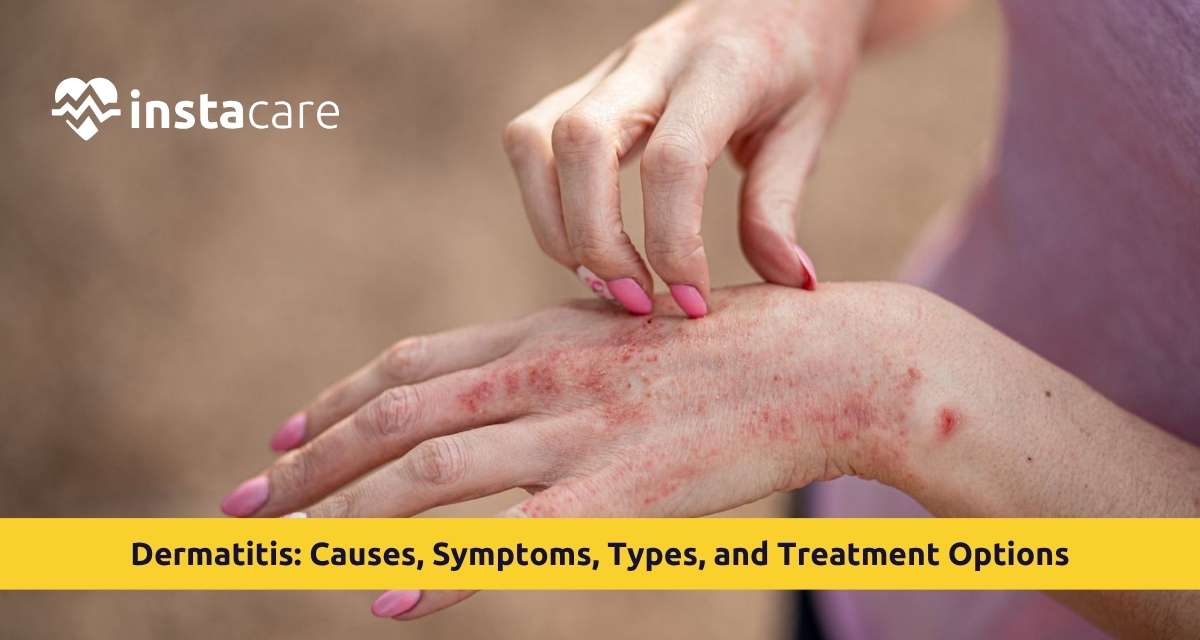
Dermatitis refers to many different skin conditions. By definition, it is skin that has inflammation, irritation, and/or has become dry and itchy with rashes. Dermatitis can be caused by many things and for the most part is more uncomfortable than dangerous. However, broken skin can become infected and lead to even more discomfort and loss of quality of sleep and life. As stated by Professionals, dermatitis can have many different forms and causes and often results in dry skin that is itchy and/or develops into a rash that blisters, crusts over, or flakes.
What Causes Dermatitis?
- Dermatitis has many triggers. One cause can be a weak skin barrier, which can cause your skin to lose moisture and become sensitive to things that irritate skin.
- Dermatitis can also be caused by an array of contact allergies, even contact with the weather. Dermatitis can also be caused and triggered by irritative skin care products and even the frequent washing of hands.
- Genetics can also have a serious effect. For example, atopic dermatitis has been known to run in families and is also linked with asthma and allergies; also, atopic dermatitis is chronic with frequent flare-ups.
- However, atopic dermatitis is also not contagious. In contrast, dermatitis caused by contact with an irritative/allergenic environment can also be chronic; however, it is also not contagious. According to the Cleveland Clinic, dermatitis caused by contact with an irritative/allergenic environment can also be chronic and is an itchy skin rash that is swollen.
Typical Signs of Dermatitis
There are many kinds of dermatitis. The symptoms will vary based on the type of dermatitis, severity, age, and the location of the skin condition. Symptoms of dermatitis include: skin irritation, redness, dryness, swelling, burning, and tenderness. In some cases, skin may bleed, blister, or ooze. Skin may become rough and form crusts.
Those with darker skin, may experience patches of purple or brown skin in contrast to bright, inflamed red skin. Skin may also become dark due to repeated scratching. Dermatitis may also appear on the face, arms, neck, hands, scalp, and behind knees and elbows.
Dermatitis can be very frustrating as a skin condition. Itching can worsen during the night and can affect sleep. The skin can be relieved by scratching, as it reduces the need to itch. However, scratching leaves skin more inflamed and increases the risk of infection.
Common Types of Dermatitis
Atopic Dermatitis
Atopic dermatitis (AD) is a common type of dermatitis. AD causes inflamed skin. Those with AD may have very dry and itchy skin as children, but it can continue into adulthood. Atopic dermatitis often appears in many parts of the body. Areas with skin that bends are common places to develop dermatitis. Flare ups can happen unexpectedly as a result of environmental and lifestyle changes. Weather, stress, and certain products can become triggers.
Contact Dermatitis
When the skin comes into contact with an irritant, contact dermatitis occurs. There are two categories of contact dermatitis: irritant contact dermatitis and allergic contact dermatitis. Soap, detergents, certain cleaning products, and prolonged contact with water, can all cause irritant contact dermatitis. Nickel, latex, perfume, cosmetics, hair dye, and poison ivy can all cause allergic contact dermatitis. Symptoms can be caused by triggers and irritants that come into direct contact with the skin. This contact can cause the skin to become red, itchy, irritated, dry, and even blistered and swollen. The first step to treatment is to remove the irritant.
Book Leishmania Tropica Test at Excel Labs – Get 20% OFF
Seborrheic Dermatitis
Seborrheic dermatitis can cause irritation to oily areas of the body like the scalp, face, and even the chest. It can cause oily, itchy, flaky patches to the scalp, which is often referred to as dandruff. In infants, it can cause a condition known as cradle cap. This form of dermatitis can be aggravated by oil production and yeast present on the skin, and can be exacerbated by stress, changes in the weather, or changes to the immune system.
Nummular Dermatitis
Nummular dermatitis can cause round, coin-like, and patchy irritations to the skin, which can be dry or crusty. It can affect almost any part of the body including the arms, legs, and torso. This dermatitis can be aggravated by dry skin, insect bites, or irritants that come into contact with the skin like metal and certain chemicals.
Stasis Dermatitis
Stasis dermatitis is an incomplete term. Stasis dermatitis is one of the diseases of the lower limb which arises from stasis of blood in the veins and lower limbs and leads to dermatitis. Dermatitis is a term that refers to diseases of the skin characterized by: inflammation, swelling, itching, discoloration, crusting, and dryness. Dermatitis most commonly occurs in people with diseased varicose veins and in people with circulation disorders in the lower limbs. Some severe cases of stasis dermatitis are associated with diseases of the lower limb veins. Venous stasis dermatitis should be evaluated by a doctor.
Treatment Options for Dermatitis
Treatment of dermatitis is always adapted to the form and severity of the disease. In mild cases, the dermatitis may improve with a change in skin care, and in more severe cases, they may need to be treated with medication prescribed by a doctor.
- Dermatitis begins with skin care. There are also gentle, soap free, and fragrance free cleansers. In the case of dermatitis, skin care is supplemented with moisturizers that help restore the skin and reduce dryness. According to the Mayo Clinic, dermatitis care begins with skin care and moisturizers, and only then is the medication used.
- For skin inflammation, doctors prescribe medication with corticosteroids in the form of emulsions, gels, or ointments. These medications help with the disappearance of inflammation and help with the disappearance of the urge to itch, but they are not used indefinitely, as they help with the thinning of the skin. Other medications are calcineurin inhibitors, which also affect the immune response in the skin, and phototherapy.
- In atopic dermatitis, more severe cases may be treated with newer treatments. The American Academy of Dermatology cites that eczema may be treated with a comprehensive plan that may include moisturizers, prescription medications, and the avoidance of triggers, as dermatitis may respond to more advanced therapies, including biologic medications.
- The recommendation for seborrheic dermatitis is to use medicated shampoos and antifungal creams. In stimulating dermatitis, it is vital to stay away from the irritating or allergic substance. The treatment for stasis dermatitis may include managing swelling and circulation and treating any wound or infection.
The Skin Care and Prevention Habits
Fewer flare-ups can be achieved by following simple daily habits. After bathing, always keep the skin hydrated. Avoid hot showers. Use unscented soaps and choose unscented detergents and skincare products. Use soft and breathable fabrics. Always avoid scratching and keep nails short to avoid the skin being damaged. Preventing repeated flare-ups is achievable by identifying triggers.
Contact your service provider if the rash has spread to other areas, is painful and infected, interferes with your sleeping, and is not better with basic care. Infection is identifiable and characterized by pus, the rash and the surrounding areas feeling hot, the skin becoming swollen, having a fever, and yellow crusting appearing.
Conclusion
Dermatitis is something that everyone will probably encounter in their lifetime. Dermatitis comes in a lot of different varieties and typically is manageable. Knowing the symptoms and triggers can help people limit flare ups and discomfort. Professional treatment designed to avoid symptoms coupled with a gentle skincare routine can be helpful to those with dermatitis. Dermatitis is an annoying and constant disease and therefore triggers can be avoided as well. Chronic itching can also result in long term inflammation and the stretching of skin, which can lead to infection. Dermatitis should be managed to further infection and chronic skin damage.
Please book an appointment with the best Dermatologist in Lahore, Karachi, Islamabad, and all major cities of Pakistan through InstaCare, or call our helpline at 03171777509 to find a verified doctor for your disease.