What is a Grass Rash?
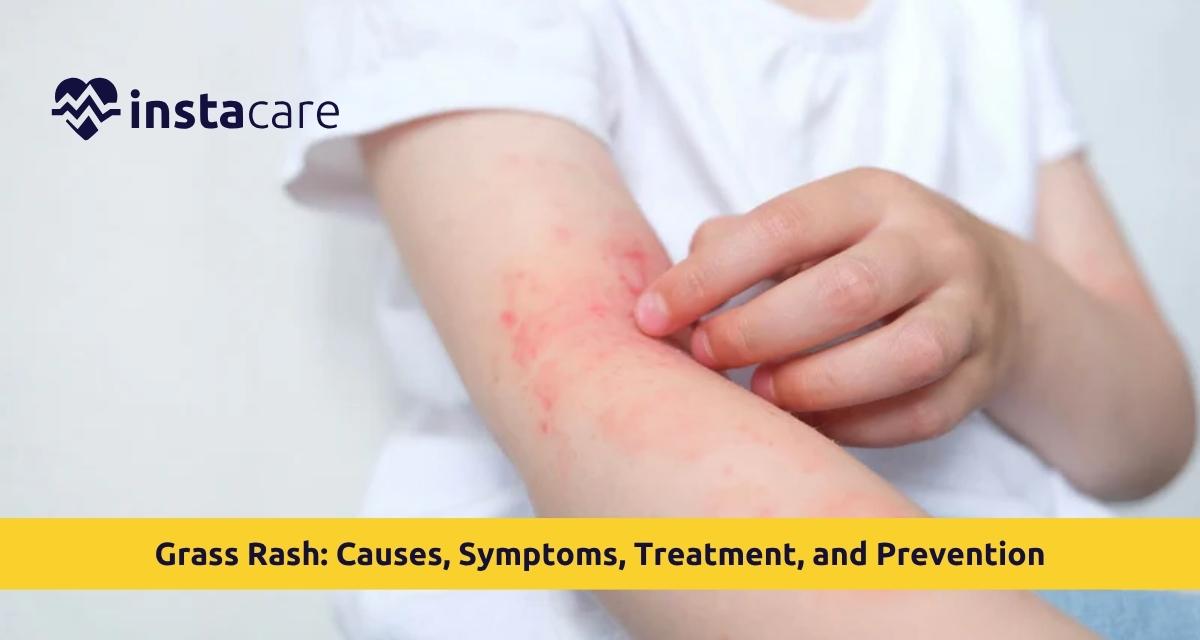
A grass rash is a condition of the skin which is the result of contact between the skin and grass or other vegetation which contains allergens or irritants. It may arise when the skin is exposed to such substances as pollen, sap, and plant oils, and when the grass or other plants touch / scratch / irritate the skin. Itching, reddening, swelling and the small bumps on the skin are usually the signs of grass rashes, which may typically be found in the areas which have been in contact with the grass.
The rash may be placed anywhere on the body yet it is usually placed in angles such as arms, legs and parts of the body that are exposed such as hands and neck. In serious instances, a grass rash may cause blisters or skin infection and this occurs when the rash is overly scratched or when bacteria infect the rash.
Causes of Grass Rash
A variety of factors may lead to grass rash, such as allergy, mechanical injuries, and oils and chemicals of plants. Below are the main causes of grass rash:
- Allergic Reactions: There are those individuals who can be allergic to something present in grass like pollen, mold or certain plant proteins. The allergens may cause an immune response, which will cause some itching, redness and appearance of a rash. Individuals with allergic rhinitis (hay fever) or seasonal allergies might be more likely to get a grass rash.
- Physical Irritation: Physical irritants are plants or rough-textured or sharp-edged grass that physically irritate the skin. Friction due to the contact with grass blades, stems or even weeds will result in a rash. A rash like this is usually red, itchy, and contains small bumps.
- Exposure to Plant Oils: Certain grasses and plants, e.g., the poison ivy, poison oak, have oils that can irritate the skin and lead to an allergic reaction. The oils of these plants, when exposed in contact with the skin can cause dermatitis of the contacts which is termed as contact dermatitis. It is a rash that is red with swelling and blisters and in most cases needs medical intervention.
- Insect Stings/ Bites: There are cases when playing or walking in high grass, people may get bitten or stung by insects such as mosquitoes, ticks, or ants. Such bites may be irritating and result in a rash or hives. The symptoms include itching, swelling, and redness in the area of the bite.
Grass Rash Symptoms
The signs of grass rash may differ based on the cause, level and sensitivity of individuals. Common symptoms include:
- Redness and Swelling: The area concerned can turn red, swollen and inflamed. Stomach: skin can be irritated or blotchy.
- Itching: One of the most prominent symptoms of grass rash is intense itching. The rash may become uncomfortable as the itching may be mild and severe.
- Small Bumps or Hives: A rash can be in the form of small elevated bumps on the skin, swollen, or not swollen. The rash in other instances can resemble hives or welts.
- Blistering: In more severe disease, particularly when the rash is due to plant oils or insect bites, the rash can become blistered or contain fluid-filled blisters.
- Burning Sensation: There is a slight burning sensation in the part of the body which is affected and this may be experienced by some individuals particularly when the rash is as a result of chemical irritation.
- Dry, Cracked Skin: When not treated or excessively scratched, the rash can cause dry and cracked skin which could make the skin more susceptible to infections.
Glowing Skin: Tips, Foods, and Skincare Habits for Radiant Skin
Treatment of Grass Rash
Grass rash is generally a non-threatening disease that can be treated quite easily with some common homeopaths. Nevertheless, when the rash is severe,and/or when infected, or when it lasts longer than in other cases, you should visit the doctor. The following are typical treatments to manage grass rash:
- Cold Compress: A cold compress to the swollen region would also be helpful in reducing swelling as well as alleviating itching. The low temperature is beneficial because it relaxes the skin and it may reduce pain.
- Topical Corticosteroids: Corticosteroid creams or ointments (over-the-counter) can be applied to minimize inflammation and itching. These drugs aid in soothing the skin and healing. They can be used in mild to moderate rashes.
- Antihistamines: When the person has an allergic reaction to acquire the rash, antihistamines might be administered to relieve the itch and reduce the extent of the rash. Depending on the type, antihistamines may be taken as tablets or applied as a topical area.
- Calamine Lotion: Calamine lotion is also another effective solution to herbal grazing particularly in cases where the lot is itchy or more likely bitten by an insect or oily plants. It can be used to calm any fluid-filled blisters, or to dry the skin.
- Hydrocortisone Cream: In cases of small allergies or inflammation, hydrocortisone cream can be applied to eliminate the effects of redness and itchiness. It can be found in most pharmacies as an OTC, and can be used directly over the rash.
- Do not Scratch: Although this may be challenging, one should not scratch the rash. Bacteria can be penetrated into the skin due to scratching and cause infection, prolonging the healing process.
- Moisturizers: Unscented, soft moisturizers can keep the skin moist and avert dryness and cracking. This is particularly crucial in the case of severe rash in case of skin damage.
- Antibiotics: In case the grass rash is infected, a doctor can prescribe antibiotics to cure the infection and prevent the infection from spreading.
Precautions against Grass Rash
Although one can not always prevent the presence of grass rash, several preventive steps can be taken to mitigate the chances of getting a rash:
- Wear Protective Clothing: Wear long sleeves, pants and gloves when participating in outdoor activities like gardening, hiking or sports to minimize skin contact with grass.
- Apply Skin Barriers: Think about using a barrier lotion or cream at home and going outside. These products provide an envelope coating on your skin and such irritants of the grass or plants.
- Eschew Known Allergens: In case you are known to be allergic to certain plants, grasses or pollen, use precautions to avoid them, when possible.
- Wash After Contact: Once in contact with the grass, showering with a lot of soap and water is important to clear all the allergens, oils or other irritants that might be on your skin.
- Insect Repellent: Use insect repellent to keep away bites which may cause rashes. Use of repellent on the exposed skin can also prevent annoyance by bugs such as mosquitoes, ticks, and ants.
Conclusion
Grass rash is a widespread skin infestation when in touch with grass, plants or allergens. It is not generally harmful, but may be uncomfortable and unpleasant. Through good care and precautions, a grass rash may be dealt with and the chances of the recurrence minimized. Never forget to keep off scratching the rash and use medical care in case it gets infected or fails to heal after several weeks.
Please book an appointment with the best Dermatologist in Lahore, Karachi, Islamabad, and all major cities of Pakistan through InstaCare, or call our helpline at 03171777509 to find a verified doctor for your disease.