One of the issues that people of any age are worried about
is hair fall. Although it is normal to lose a certain amount of hair a day,
excessive loss can be very stressful and it can be an indicator that you have
health, lifestyle or hormonal problems. To manage the situation, the initial
step is understanding how to deal with normal shedding and problematic hair
fall.
Women and men can suffer both hair fall as they may be caused by various factors like stress, poor nutrition, hormonal variations and medical conditions. Luckily, there are numerous remedies, both natural and medical, to restore healthy hair growth.
What Is Hair Shedding?
Hair shedding is a natural process in which old hairs are shed to make way for new ones. The normal rate of hair loss is 50-100 hairs per day. There are three stages in the growth of hair:
- Anagen
(growth phase): Manifold hair growth.
- Catagen
(transitional stage): Hair ceases growing.
- Telogen (resting stage): Hair is shed naturally.
When the Telogen phase increases due to stress or illness, more hairs are shed at once, resulting in increased shedding.
Common Causes of Hair Fall (Shedding)
Knowledge of
the hair fall causes aids in determination of the appropriate treatment. The
reasons are either short-lived or might need medical intervention.
Changes in Stress and Emotion
Stress, physical or emotional may lead to the shedding stage of more hair follicles.
Hormonal Imbalances
Hair fall
may be triggered by hormonal changes due to pregnancy, thyroid disorders or
menopause.
Nutritional Deficiencies
Hair
structure can be weakened by low iron levels, low protein levels, low levels of
zinc or low levels of vitamins.
Health Problems and Disease
Shedding can
be intensified by conditions like anaemia, scalp infections or autoimmune disorders.
Chemical Treatments and Hair Styling
Hair root
can be damaged by frequent heat styling, colouring or tight hairstyles.
Seasonal Changes
Numerous
individuals undergo seasonal hair shedding particularly in autumn or at the
onset of winter.
Medications and Treatments
Some of these medications such as chemotherapy or blood pressure are known to lead to temporary loss of hair.
Signs Your Hair Fall Is Excessive
It is normal to lose hair on a daily basis but excessive hair shedding might be a problem. Watch for these signs:
- Huge masses
of the hair dropping either in the course of washing or brushing.
- Part line
diffusion or widening.
- Hairiness of
pillows or clothes.
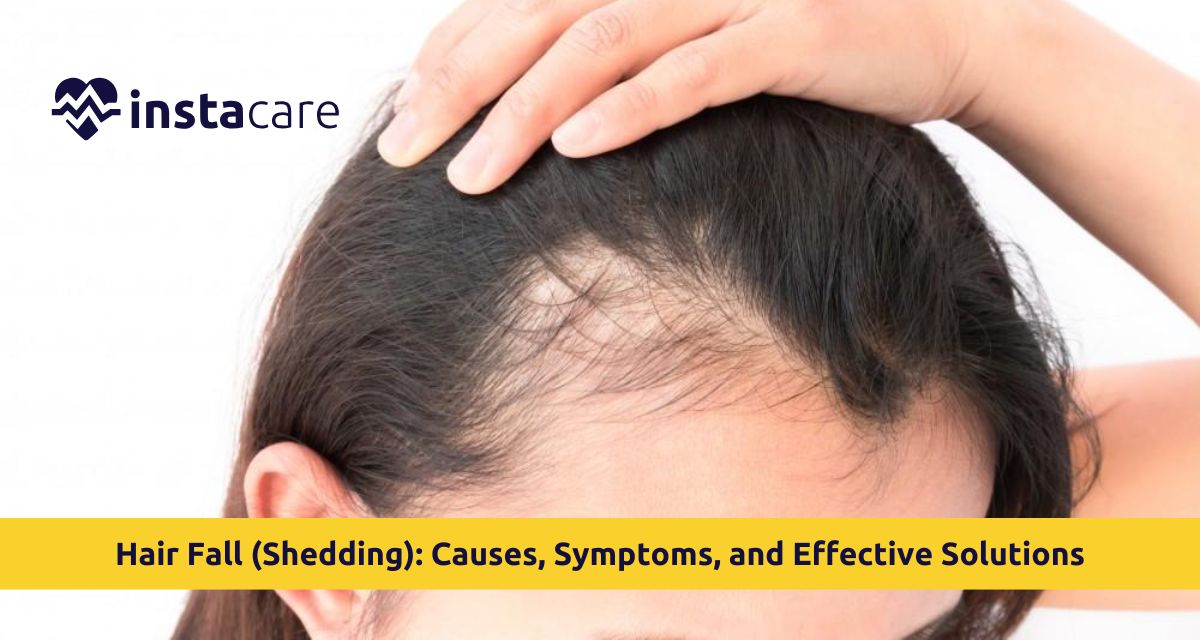
- Visible
scalp patches
- Less volume or density of hair.
If shedding is prolonged, over many months, it is advisable to consider possible causes.
Hair Fall vs Hair Loss
The
knowledge on hair shedding vs hair loss is important in defining the issue as
either temporary or permanent.
Hair fall (shedding)
- Usually
temporary
- Once the
underlying cause is no longer present, it grows back.
- Frequently associated with stress, disease, or life modifications.
Hair loss
- May are
associated with permanent follicle damage.
- Such
conditions as androgenetic alopecia are included.
- Long term management or medical treatment required.
The correct diagnosis is necessary to select the appropriate treatment plan.
How to Reduce Hair Fall Naturally?
Hair can be
made strong through the use of natural techniques and shedding can be slowed
down.
Maintain a
Balanced Diet
- Consume
foods rich in protein such as eggs, fish and legumes.
- Add
vegetables and fruits with iron.
- Keep water-hydrated to keep the scalp healthy.
Gentle Hair
Care Practices
- Do not overstyle hair with too much heat.
- Apply
lightweight sulfate-free shampoos.
- Limit roots pulling hairstyles.
Manage
Stress Levels
- Practice
meditation or yoga
- Have normal
sleep habits.
- Physical activity to enhance circulation.
Scalp Care
- Scalp rub to
enhance blood circulation.
- Take nourishing oils sparingly.
In particular, adherence to healthy habits may lead to significant progress.
Medical Treatments for Hair Shedding
If lifestyle changes are not sufficient, you may be prescribed a professional hair fall treatment. Common treatments include:
- Hair growth-stimulating topical drugs.
- Nutrition
deficiency supplements, by mouth.
- Endocrine-related
hormonal hair fall treatment.
- Platelet-rich
plasma (PRP) treatment.
- Prescription drugs for certain hair conditions.
A healthcare provider or a dermatologist can advise on the most appropriate treatment based on personal factors.
When Should You See a Doctor?
Consult a
physician in case you observe:
- Sudden or
severe hair fall
- Bald spots
or inflammation of the head.
- Post-illness/post
medication hair shedding.
- Fatigue,
hormonal or scalp pain, etc.
- Long-lasting (more than three months) hair fall.
As soon as possible, it is possible to avert the tendency to aggravate hair issues and detect underlying health issues.
Conclusion
Shedding of
hair is a normal phenomenon but when it is excessive it may be embarrassing. It
is crucial to distinguish between regular shedding and more serious hair loss to manage it. Through cause determination, healthy hair care
practices, and consulting medical care where needed, people can make hair
healthy and prevent shedding as the days go by.
Regardless of whether the hair loss is temporary or more permanent, proper nutrition, stress relief, and expert help can help regain confidence and promote better hair growth.
Please book an appointment with the Best Dermatologist in Lahore, Karachi, Islamabad, and other major cities of Pakistan through InstaCare, or call our helpline at 03171777509 to find a verified doctor for your condition.