Urticaria occurs when there is release of histamine and other chemicals into the skin by the body. This makes the small blood vessels leak fluid thus resulting in swelling, redness and itch. Most people believe that allergies always result in hives but that is not always the case. They may also be provoked by infections, stress, heat, cold, skin pressure, medications or some unknown factors. According to Cleveland Clinic, hives can just appear out of the blue and usually they are treated with the use of antihistamines.
What Do Hives Smell and Touch Like?
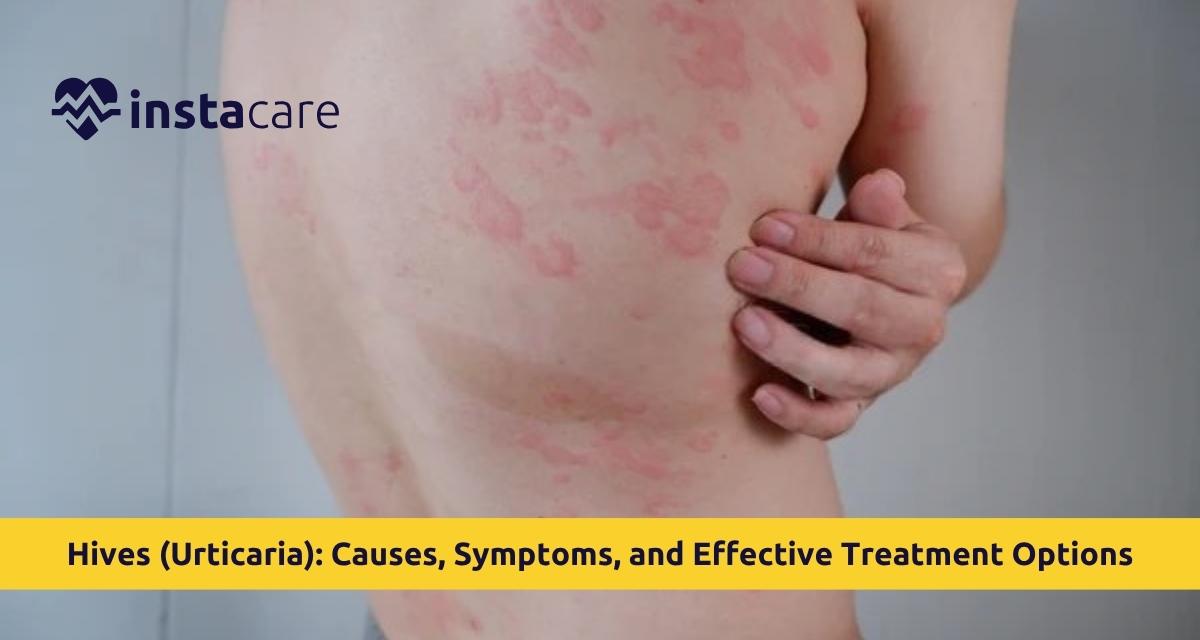
The appearance of hives is generally as swollen spots on the skin that are raised. They can be small, such as mosquito bites or large enough to combine with others to form larger patches. Another significant aspect of hives is that they tend to alter their shape and position. A welt can occur on a single part of the body, disappear within hours, and later appear in a different part.
Common symptoms include:
- Itchy raised welts
- Red, pink or skin-colored bumps.
- Burning or stinging sensation.
- Swelling around the affected area
- Fading and reappearing welts.
- Irritation of the skin that gets worse upon scratching.
According to the American College of Allergy, Asthma and Immunology, hives can last a few minutes, a few months or possibly even years depending on the type and cause.
Types of Hives
Generally, hives can be classified into two major categories: acute urticaria and chronic urticaria.
- Urticaria acute lasts more than six weeks. It is commonly associated with an allergic reaction, food, medicine, bites of insects, infections, or environmental factors. In most cases, the cases resolve themselves by removing the trigger or when the body can resume.
- Chronic urticaria is an illness which endures more than half a month and often recurs frequently after several months or even years. The precise cause can hardly be discovered in most chronic cases. According to Mayo Clinic, chronic hives are itchy welts that last beyond six weeks and which reoccur with time.
- Physical forms of urticaria also exist, where hives develop as the result of pressure, cold, heat, sunlight, exercise, sweating or scratching. As an illustration, tight garments could cause pressure hives whereas cold air or cold water could provoke cold urticaria.
Set of Causes and Triggers
There are numerous factors that may cause hives. That is because some individuals will be in a position to know exactly what caused the reaction whereas others might never have to know what triggered the reaction.
Common triggers include:
- Some foods like nuts, shellfish, eggs or milk.
- Drugs which include antibiotics, aspirin or pain killers.
- Bites or sting of insects.
- Pollen, dust, animal dander or latex.
- Bacterial or viral infections.
- Heat, cold, sunlight or sweat.
- Snug clothing or skin pressures.
- Emotional tension and stress.
- Vitroconsciousness or hot food.
According to the NHS, the foods, medicines, insect stings, infections, scratching, pressure, cold, heat, sweat, plants, animals, chemicals, and latex are the possible triggers.
Book Myoglobin (Urine) Test from Zeenat Lab – Get 20% Off
When Are Hives Serious?
The largest percentage of hives are mild and do not worsen with any serious issues. Nevertheless, in some cases, hives may also be a part of a severe allergic reaction known as anaphylaxis. This is a medical emergency.
Seek immediate medical attention, in case of hives presentation with:
- Difficulty breathing
- The swelling of the lips, tongue, throat or face.
- Dizziness or fainting
- Chest tightness
- Wheezing
- Vomiting or intense pain in the abdomen.
- A sense of abrupt feebleness.
These symptoms can be an indicator of a severe allergic reaction that should be treated immediately. Allergy & Asthma Network recommends seeking immediate medical attention in cases of hives accompanied by anaphylaxis.
Diagnosis of Hives
The hives are normally identified by doctors through the examination of the skin and enquiring the sufferer regarding the problems, recently eaten, medication, illness, travelling, bug bites, stress, or new product applied to the skin. In most acute cases a lot of testing is unnecessary.
Ongoing or chronic hive may make a physician call blood tests, allergy tests, or other tests to test against underlying conditions. Nevertheless, there are numerous chronic cases that have been still called idiopathic, in other words, there is no clear cause to be found.
Keeping a symptom diary can help. Record your food, medications, weather, stress, exercise, skin care products and at what time did the hives manifest? This could assist in determining trends.
Treatment for Hives
- The initial action in the treatment of hives is to prevent known triggers. With hives being caused by a certain food, medicine, cosmetic product, or environmental factor, avoiding this food, medicine, cosmetic product, or environmental agent can reduce future flare-ups.
- An oral antihistamine is considered the most typical treatment. Antihistamines aid in preventing the impact of histamine, which alleviates itching, swelling, and reddening. Dermatology sources (DermNet) report that second generation H1-antihistamines, like cetirizine or loratadine, are the primary treatment of most forms of urticaria.
- In case of mild hives, home care can be helpful as well. The American Academy of Dermatology suggests non-drowsy antihistamines and very simple home remedies to a large proportion of mild cases.
How to Prevent Hives?
The tips of helpful home care are as follows:
- Use cool compress on itchy areas.
- Wear loose clothes of cotton.
- Do not take hot showers or strong soaps.
- Avoid scratching of the skin.
- Apply unscented skincare items.
- It is better to avoid alcohol in case it makes itching worse.
- Rest and relaxation are the ways to cope with stress.
Doctors can prescribe more potent treatment in the case of hives that are severe or persistent. Chronic hives can be treated with higher-dose antihistamines, special allergy care, or other medications depending on the case. Do not increase dosage of any medicine without a doctor permitting it.
How to Prevent Hives?
The trigger is the key to prevention. When there is a cause of your hives, the most effective way is by avoiding that cause. As an example, in case tight clothing has put pressure on the hives, then wear loose clothing. Should heat and sweating cause the symptoms, keep it cool, take a shower following an exercise, and ensure not to over heat. In case some foods or medications trigger hives, talk to your doctor about the safe food or drugs.
Good Prevention habits are:
- Track your symptoms and possible triggers
- Avoid known allergens
- Apply mild skin or skin care products.
- Stress control where feasible.
- Wear breathable clothing
- Avoid sudden temperature changes
- Use prescribed drugs as instructed.
- Recurring hives should be checked by a doctor.
Living with Hives
Hives might be aggravating, as we see them come back continuously, with no evident explanation. The itching can disrupt sleep, confidence and can disrupt normal daily activities. The majority of the cases can, however, be dealt with when they are taken care of. The trick is that it is important to know what triggers may happen, how to treat the symptoms as early as possible and be able to seek medical assistance in case the hives are severe, frequent or associated with swelling or breathing difficulties.
To a good number of people, hives are only temporary. In their case, the others might need management in the long-term. In any case, underdiagnosis and treatment can significantly enhance comfort and quality of life.
Conclusion
Hives, or urticaria, are a widespread skin illness that may occur abruptly when welts that are large, raised and itchy appear on the body. Though generally harmless and short-term, they can lead to discomfort, irritation, and anxiety, in particular when they continue reoccurring. In most situations, the precise cause may not be easy to pinpoint, however, foods, medicines, infections, insect bites, changes in temperature, stress, or pressure on the skin may trigger hives.
Best news is that majority of cases of hives are treated with simple care therapy like avoiding known triggers, using cool compresses, wearing loose and wearing antihistamines as advised to treat the cases. Hives can however not be disregarded especially when severe, long lasts or accompanied by symptoms such as difficulty breathing.
Please book an appointment with the best Dermatologist in Lahore, Karachi, Islamabad, and all major cities of Pakistan through InstaCare, or call our helpline at 03171777509 to find a verified doctor for your disease.