Knowing how pus causes a pimple and proper skin care of acne pimples is a way of controlling the pimple outbreak. Through the proper strategy, you can help heal pus pimples within a short time and avoid the damage to the skin.
What Is Pimple Pus?
The pimple pus is a thick paste which is yellowish or white in color and that is produced in some forms of lesions of acnes. It is comprised of the dead skin cells, bacteria, oil and white blood cells that accumulate to combat infection.
This accumulation happens when the pores are clogged and inflamed that swell and get pus. Pimple swelling and pus in most scenarios signify the reaction of the body to a bacterial infection of acne.
Causes of Pus-Filled Pimples
Pus-filled pimples are created under the influence of multiple factors that influence the health of the skin.
Clogged Pores
Oil, skin cells that are dead, dirt may clog pores, and this will provide bacteria with a favorable environment to grow. This is among the primary Pus in pimple causes.
Bacterial Infection
Multiplication of bacteria in the clogged pores causes inflammation and bacterial acne infection, which causes the formation of pus.
Hormonal Changes
The increase of hormones may lead to the rise of oil production, which leads to acne, the swelling of pimples, and pus.
Poor Skincare Habits
The use of harsh products or the failure to clean themselves well may aggravate acne and pose the risk of infection.
Touching or Picking Pimples
The constant touching may spread bacteria and the pimples become inflamed and filled with pus.
Types of Pus-Filled Pimples
Acne is of various types which might harbor pus.
Pustules
Little, reddish pimples with an exposed white or yellow-colored core full of pus.
Cysts
Big, sore pimples in deep layers of the skin, and usually referred to cystic acne pus. They can cause scarring unless they are treated well.
Nodules
Lumps that occur beneath the skin, hard, inflamed, and may not necessarily have pus but are a part of severe acne.
These types would be recognized, and this would be used to select appropriate Infected pimple treatment.
Read More: Blind Pimples: Causes, Treatment, and How to Get Rid of Them Safely
Should You Pop a Pus-filled Pimple?
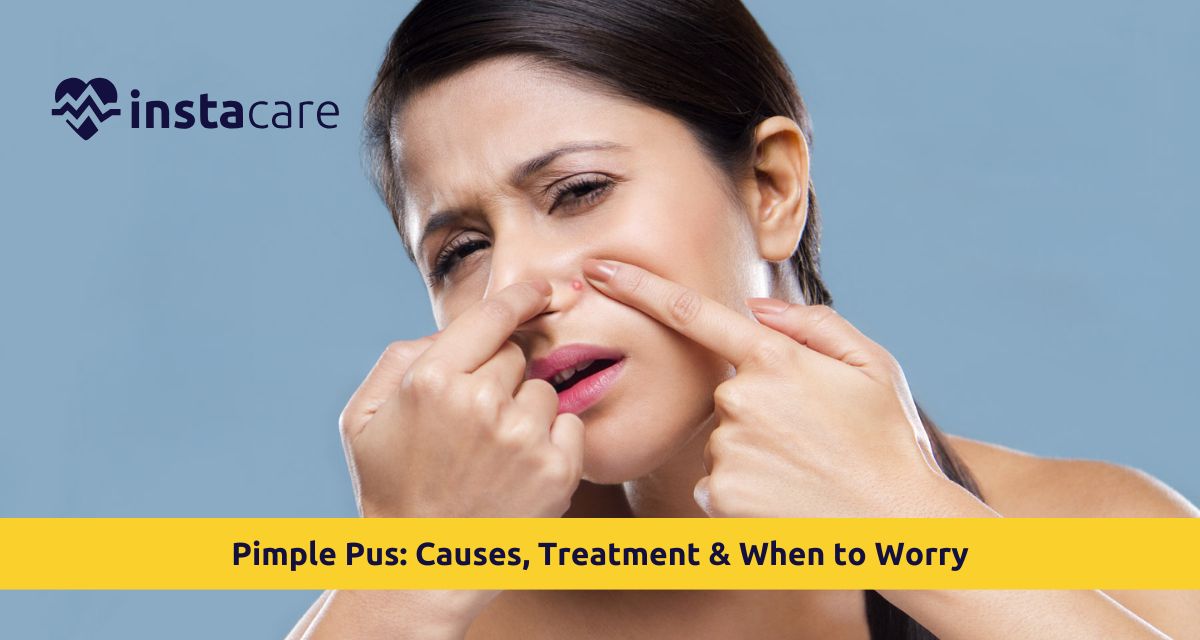
Popping or squeezing of pimples that contain pus is not usually advisable. As much as it might sound like a fast fix it can aggravate the situation. Popping a pimple can:
- Diffuse bacteria to adjacent skin.
- Enhance inflammation and redness.
- Lead to scarring
- Healing pus pimples fast
Rather, Skincare for acne pimples and treatment options must be applied to achieve safer outcomes.
How to Treat Pimple Pus?
Good skin care and special treatments are necessary to treat pus-filled pimples.
Gentle Cleansing
You should wash your face with a later soap twice a day to eliminate unnecessary oil and bacteria.
Topical Treatments
Apply over the counter creams such as benzoyl peroxide or salicylic acid to a pimple of the skin that is infected.
Warm Compress
Warm compress may be used to soothe the swelling and drain pus of a pimple and allow the pimple to empty naturally.
Avoid Harsh Products
Apply non-comedogenic, soft skincare.
Home Remedies
The following are the Home remedies for pus pimples:
- Topical use of tea tree oil (thinned).
- Using aloe vera for soothing
- Using honey to treat wounds due to its antibacterial effect.
These techniques would aid in curing pus pimples quickly when applied on a regular basis.
Prevention Tips
The use of healthy skincare practices would prevent the pus-filled pimple.
- Cleanse your skin regularly
- Do not touch your face too often.
- Apply products that are non-comedogenic.
- Maintain a balanced diet
- Stay hydrated
These measures are crucial towards preventing pus pimples and having a clear skin.
When to See a Doctor?
The majority of pimples can be treated at home, but the professionals must manage some of the cases. You need to refer to a dermatologist when:
- Pimples are acute or chronic.
- Cystic acne pus is frequent.
- Pimples are painful and leave scars.
- Over-the-counter drugs are ineffective.
The advanced Dermatologist treatment for acne may be prescribed by a specialist to control the problem.
Conclusion
A typical symptom of inflamed acne due to clogged pores and bacteria infection is pimple pus. Learning about the causes of pus in pimples and practicing proper skin care towards acne pimples may help in the management and prevention of the acne pimples breakout. With the help of proper treatment and the exclusion of such habits as popping the pimples, you can help the healing of the pus pimples in a short time and help to avoid the possibility of scarring. In persistent or severe cases, it is better to visit a dermatologist to treat acne to get better outcomes and healthy skin.
Please book an appointment with the best Dermatologist in Lahore, Karachi, Islamabad, and all major cities of Pakistan through InstaCare, or call our helpline at 03171777509 to find a verified doctor for your disease.