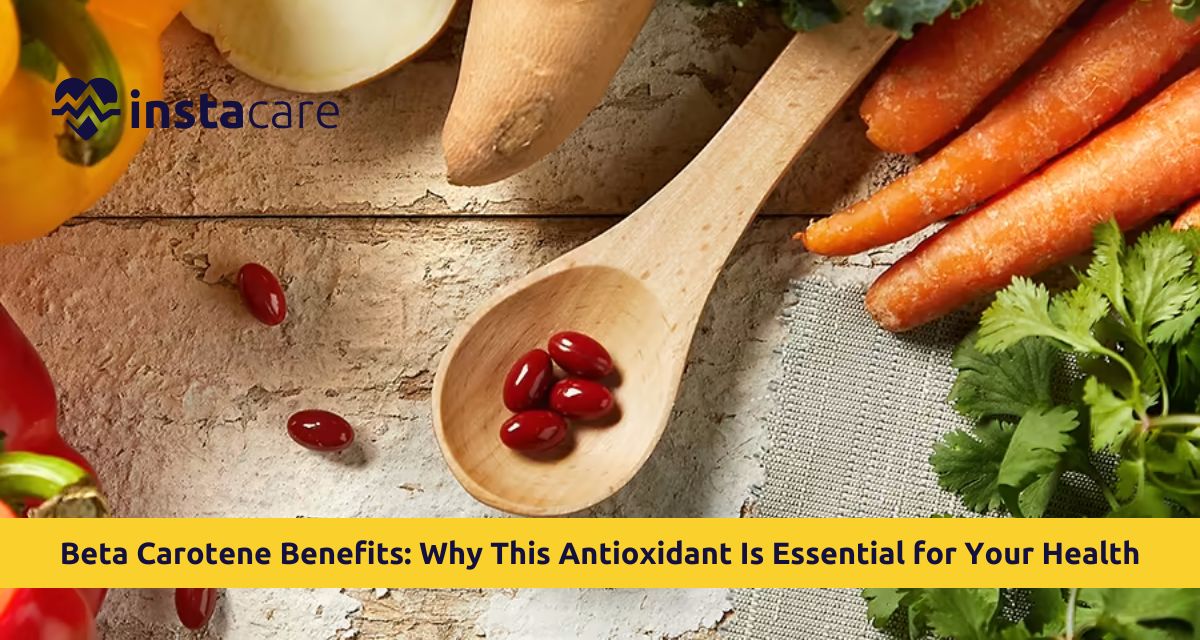
The nutritional compound, beta carotene, is an influential and important plant pigment and has received very little attention compared to other compounds in nutrition. Most fruits and vegetables would not be of their certain colors only because of this orange-red color, which is very exceptional in promoting health. Beta carotene, a vitamin A precursor, a strong antioxidant, will contribute to all of that, such as immune health, vision, etc. Being aware of the beta carotene health benefits can be applied in making informed decisions in your dieting which will help in ensuring long term wellness.
What Is Beta Carotene?
Beta carotene is an organic pigment and is naturally occurring and it is a carotenoid family of plant compounds giving most fruits and vegetables their red, orange and yellow color. As a provitamin A carotenoid, beta carotene is utilized as a precursor and is transformed to beta carotene vitamin A (retinol) when the body needs it. There is very tight control over this conversion process and therefore, it is only when the body needs the vitamin A that it will produce it, and this helps to avoid toxicity that may arise due to the excessive consumption of preformed vitamin A, which is found in the animal form.
In addition to its role in the production of vitamin A, beta carotene is a strong beta carotene antioxidant that neutralizes the damaging free radicals that can potentially damage cells and lead to chronic illnesses. This dual action renders beta carotene extremely useful in the overall case of maintaining health.
Nutritional Value Of Beta Carotene
Beta carotene has zero calories, protein, fat, and carbs. Transferred into vitamin A (retinol) in the body.
- 1 mg of beta carotene = 0.1 mg of RDI of vitamin A.
- This is based on the recommended levels of vitamin A:
- 900 mcg RAE/day for adult men
- 700 mcg RAE/day for adult women
- Approximately corresponds to 8-10,800 mcg of beta carotene every day.
- There is no particular RDI of beta carotene; its requirement in the diet and health depends.
- Low risk of toxic foods with high amounts of vitamin A.
Key Health Benefits Of Beta Carotene
The health benefits of beta carotene are spread throughout the various body systems, so it is critical to proper wellness:
- Vision Protection: This supports the production of vitamin A, helps in enhancing night sight, and avoids age-related macular degeneration.
- Immune System Support: Enhances immunity by promoting the formation and functioning of the white blood cells.
- Skin Health: UV damage, oxidative stress, and skin cell renewal.
- Heart Health: Assists in the prevention of LDL cholesterol oxidation, which will lower the chances of cardiovascular disease.
- Cancer Protection: The antioxidant properties have the potential of reducing the occurrence of some forms of cancer particularly among non-smokers.
- Cognitive Function: Safeguards the brain cells against oxidation and potentially promotes memory and cognition.
- Respiratory Health: Assists in the healthy functioning of lung tissues and also prevents respiratory infections.
Natural Food Sources Of Beta Carotene
Whole food sources are the most appropriate to get a beta carotene because they contain the substance in combination with other useful nutrients and fiber:
Orange and Yellow Vegetables:
- Sweet potatoes (a single medium will cover more than 400 percent of the daily vitamin A requirement)
- Carrots (one cup of raw carrots has more than 300 percent of the daily requirements of vitamin A)
- Butternut squash
- Pumpkin
- Red and yellow bell peppers
Dark Leafy Greens:
- Spinach
- Kale
- Collard greens
- Swiss chard
- Turnip greens
Orange Fruits:
- Cantaloupe
- Apricots
- Mangoes
- Papayas
Surprisingly, the dark leafy greens are high in beta carotene, although they are green, the orange color is covered by the chlorophyll. These foods usually give adequate supply of beta carotene without the use of supplements.
Read More: Top 5 labs for Beta hCG Test in Lahore
Beta Carotene Supplements
- 10,000-25,000 IU capsule dosage is available.
- Has the ability to treat beta carotene deficiency.
- Preference is made on food sources as opposed to supplements.
- Whole foods contain several carotenoids and nutrients which interact.
- High dose supplements have the ability to augment the risk of lung cancer among smokers as well as those who have been made vulnerable to asbestos.
- It should be used after medical consultation.
- May can be used in individuals that have malabsorption problems or diagnosed deficiency.
- Most persons are best served by dietary sources.
Who Should Be Careful With Beta Carotene?
Some groups are advised to be careful about taking beta carotene especially through supplements:
- Smokers And Former Smokers: Beta carotene supplements of high dose in villages are associated with a significantly high risk of lung cancer. Research indicates that this danger exists even in the post-smoking period.
- Asbestos Exposed Workers: Just like the smokers, individuals who are exposed to asbestos experience high dosing of asbestos that enhances their cancer risk.
- Patients Having Hypothyroidism: Thyroid conditions may inhibit the synthesis of vitamin A out of beta carotene and may be treated medically.
- Those on Some Medications: There are some cholesterol-lowering drugs and medications that make their way to fat absorption and thus interfere with the absorption of beta carotene.
Beta carotene deficiency is not very common in the developed world but may be present in individuals with diseases that interfere with the digestion of fats, including celiac disease, Crohn’s disease or cystic fibrosis. The symptoms can be night blindness, dry skin and eyes, and predisposition to infections. In case you might need deficiency, discuss it with a medical professional and do not resort to self-prescription.
How To Improve Beta Carotene Absorption?
Since beta carotene is a fat-soluble vitamin, it is possible to raise its intake by using the following strategies:
- Add Fats And Fiber: Consume foods rich in beta carotene and contain healthy fats including olive oil, avocados, nuts or seeds. Even a small amount of fat gives a massive impetus to absorption.
- Make Some Veggies: Light cooking also causes the walls of the vegetable cells to rupture and the beta carotene to be freed. Carrots and sweet potatoes may be steamed or steamed or slightly sauted, and this form of consumption leads to a greater absorption than consumption of the same food raw.
- Chop And Process: Chopping, grating, or mixing rich foods in beta carotene enhances the surface area of food, which elevates its absorption.
- Add Vitamin E: This is a fat-soluble vitamin that is synergistic with Vitamin beta carotene and this is its antioxidant property.
- Take Less Alcohol: Plentiful alcohol intake can block the synthesis of vitamin A out of beta carotene.
An easy illustration is dropping a drizzle of olive oil over your carrot salad or putting avocado in your spinach smoothie which can significantly boost the beta carotene intake.
Conclusion
Beta carotene is a vitamin that is vital in sustaining vision, immunity, skin and in preventing chronic illnesses. This is due to its two functions as an antioxidant of beta carotene and a precursor to vitamin a, which makes it special. It has supplements but the most secure method of getting beta carotene is through the consumption of colorful vegetables and fruits. The orange, yellow color, and dark leafy greens can be included in your food that contains healthy fats with ease as you can satisfy your needs and have a long-term healthy gain.
Please book an appointment with the best Nutritionist in Lahore, Karachi, Islamabad, and all major cities of Pakistan through InstaCare, or call our helpline at 03171777509 to find a verified doctor for your disease.