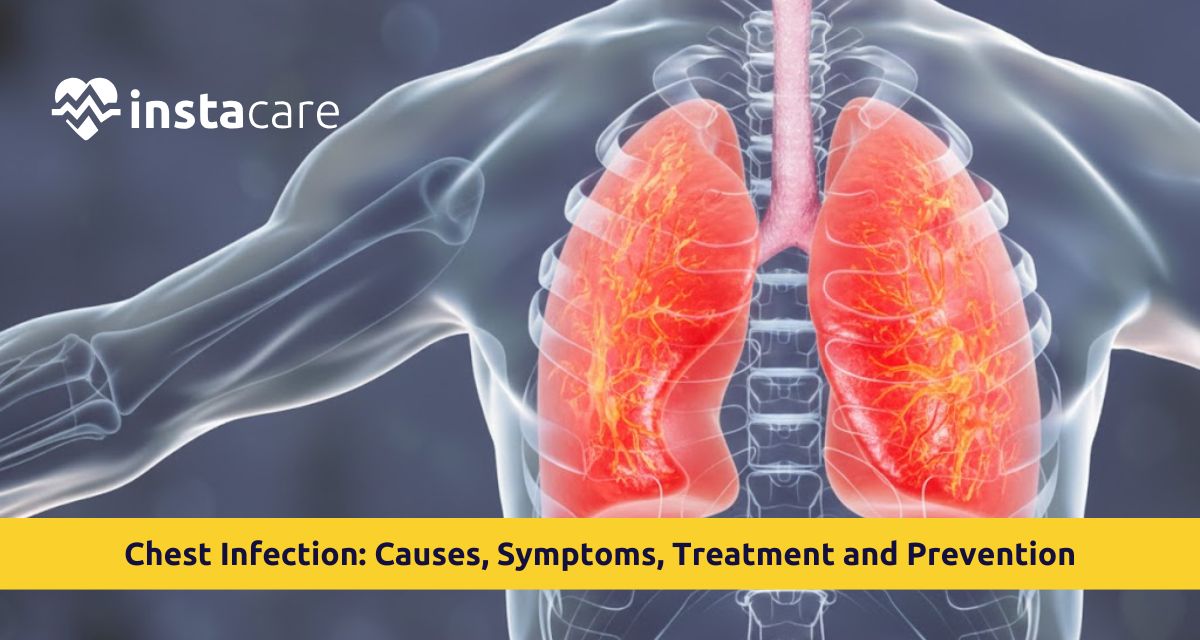
Digital lives, air pollution, and changing seasons have contributed to exposure to the Viral chest infection that spreads rapidly in the home and workplace. The knowledge of the types, causes, and appropriate diagnosis will enable individuals to seek effective treatment of chest infections early and prevent lasting dangers. The majority of patients heal, but disregarding the initial symptoms, cough, or breathing problems, such as tightness, they may get complications that could be eliminated.
What Is a Chest Infection?
A chest infection is inflammation of airways or the lung tissue that results in difficulty in breathing along with frequent coughs. It may involve adults and children, and the condition is a mild illness or severe breathing failure.
The germs enter the lower respiratory tract and cause irritation of the bronchial tubes or lungs, thereby, developing a Chest infection. It is unlike a simple throat cold, as it is loca ted deeper in the chest and regularly results into the problem of breathing difficulties in the chest with mucus.
The disease may follow flu or common cold attacks, or allergy attacks. There are cases that need medical treatment such as antibiotics and some cases can respond to home remedies through rest and hydration.
Key features
- Bronchial or lung tissue infection.
- Hyper saliva in the form of a productive cough.
- Chest puffiness and soreness.
- Shortness of breath and fatigue.
- Potential need of expert testing.
Types of Chest Infections
The classification of chest infections is generally done based on the affected part and the cause.
Main types
- Bronchitis – inflammation of bronchial tubes which results in persistent Chest infection cough.
- Pneumonia – infection of air sacs in the lungs which can be severe.
- Bronchiolitis – occurs frequently in infants with coughing.
- Tuberculosis – chronic bacterial disease that requires long term treatment.
Based on germ
- Most widespread and most infectious is the viral chest infection.
- Bacterial upper or lower spread which might require the use of antibiotics.
Common Causes of Chest Infections
The illness can be induced by a number of germs and irritants.
Infectious causes
- Influenza viruses and rhinovirus.
- COVID and other seasonal viruses.
- Streptococcus organisms.
- Weak immunity fungal contributors.
Non-infectious contributors
- Smoke exposure and chest congestion.
- Dust, fumes and air pollution.
- Sudden cold weather.
- Asthma or chronic lung disease.
- Stress-induced weak immune system.
The infection starts by a cold in the nose which then spreads to the chest causing a cough that lasts weeks and is a sign of bronchitis.
Symptoms of Chest Infection
The symptoms tend to emerge within several days of exposure and become even more severe over time.
Respiratory symptoms
- Dry, then mucus cough.
- Difficulty breathing and tightness of chest.
- Wheezing sound on exhalation.
- Pain while deep breathing.
- Yellow or green phlegm.
General symptoms
- Fever and chills.
- Body aches.
- Extreme fatigue.
- Loss of appetite.
- Irritability in children.
Age differences
- Chest infection breathing problems more evident in the elderly.
- Children can primarily exhibit mucus chest infection patterns with restlessness.
Wheezing and chest tightness should not be disregarded in any combination.
Read More: Chest Acne 7 Ways to Get Rid of It
How Chest Infections Are Diagnosed
Physicians depend on symptom patterns and analyses.
Clinical assessment
- Auscultation of lungs with crackling or wheeze.
- Checking oxygen level.
Tests that may be used
- Blood tests to confirm bacterial causes.
- Sputum diagnosis.
- Chest X-ray to eliminate pneumonia.
- CT scan in complicated cases.
The knowledge of chest infection helps makes decisions regarding necessity of antibiotics and also distinguishes between viral and bacterial illnesses.
Treatment Options for Chest Infections
The treatment is based on the cause and severity.
Medical treatment
- Antibiotics must not be used unless bacterial disease proved.
- Breathing inhalers to relieve breathing problems.
- Cough suppressants for Chest infection.
- Analgesic and antiphlogramatic drugs.
- Serious oxygen requirement therapy in a hospital.
Recovery support
- Rest and hydration.
- Warm fluids to lessen irritation.
- Monitoring chest infection.
Majority of chest infection cases heal without similar antibiotics whereas full course required in bacterial pneumonia.
Home Remedies and Self-Care Tips
There are a lot of people who find solace in home remedies.
Helpful methods
- Steam inhalation to relax congestion.
- Ginger tea and honey for Chest infection.
- Humidifier to dehumidify airways.
- Salt-water gargles.
- Adequate sleep.
- Avoid smoking lest illness bronchitis persists.
Never substitute prescribed drugs when necessary.
When to See a Doctor
In some cases, a chest infection may prove serious.
Emergency signs
- Abrupt infection breathing problems.
- Blue lips due low oxygen.
- Sharp chest pain.
- Confusion elderly.
- Blood in phlegm.
Consult doctor if
- Chest infection cough lasts more than 3 weeks.
- Fever high and continuous.
- Child or infant exhibits difficulty breathing.
- Symptoms become worse, but not less.
Early chest infection diagnosis prevents complications.
Prevention of Chest Infections
It is better to prevent than to cure again.
Preventive tips
- Wash hands regularly.
- Avoid close contact with ill persons.
- Manage allergies early.
- Minimize smoke and dust.
- Keep vaccination updated.
- Eat healthy and work out.
Flu shots reduce risk of viral chest infection and lower the chances of breathing problems in winter.
Possible Complications
Any disregard can cause additional illness.
Common complications
- Pneumonia.
- Chronic airway damage.
- Asthma worsening.
- Ear or sinus spread.
- Long term breathing problems.
Chest infection antibiotics should be administered only after expert advice.
Conclusion
The deeper parts of the respiratory system are involved in a Chest infection and are most of the time characterized by troubling cough and breathing problems. Most of them are attributed to the Viral chest infection which is rapid spreading and resolved with supportive care and home remedies. Proper Chest infection diagnosis will enable clinicians to select appropriate therapy and determine need for antibiotics only in bacterial causes. Hygiene, vaccination, and careful monitoring will prevent the disease and avoid chronic respiratory damage, ensuring healthy recovery.
Please book an appointment with the best Pulmonologist in Lahore, Karachi, Islamabad, and all major cities of Pakistan through InstaCare, or call our helpline at 03171777509 to find a verified doctor for your disease.