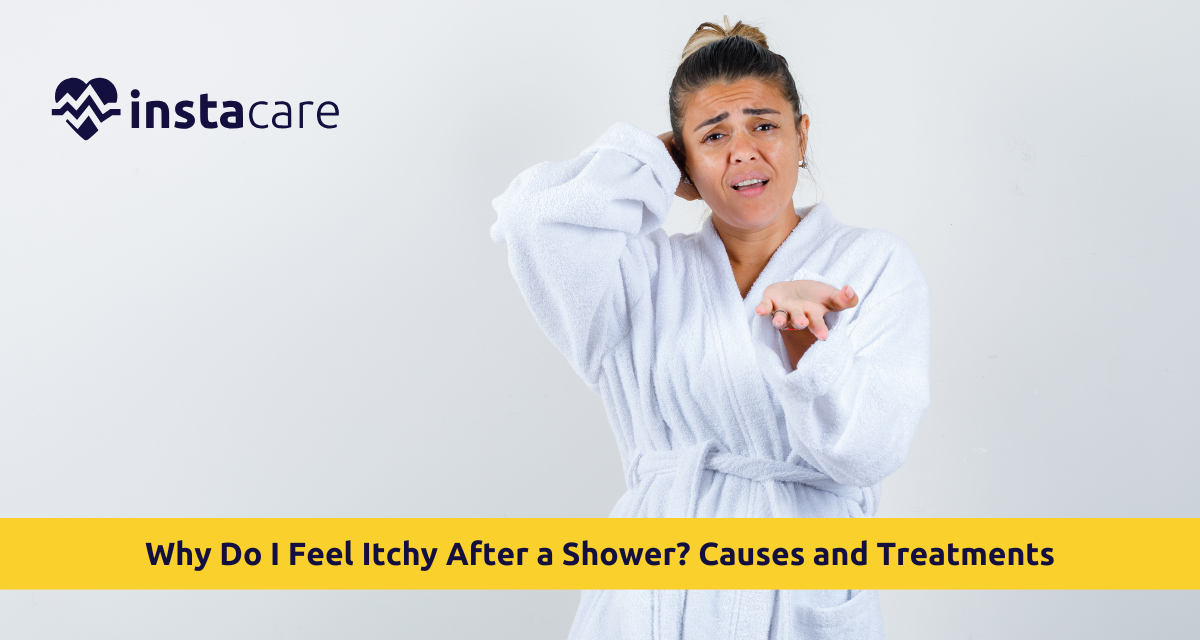
In other instances, the itching is as a result of a state termed as Water-induced itching, whereby the skin responds to contact with water without exhibiting inflammation. By learning of the reasons behind post-shower itching, it is possible to learn how to alleviate and prevent the condition.
What Is Aquagenic Pruritus?
Aquagenic pruritus is a pathological condition in which ultra-irritation of the skin is experienced upon coming into contact with water, and there is no apparent rash on the skin. It may happen following bathing, swimming or even sweating. The Aquagenic pruritus symptoms do not manifest themselves immediately after exposure to water, as is common in the case of regular skin irritation, but rather they manifest only a few minutes and possibly have a more prolonged duration.
The itching is typically seen in the arms and legs, the chest or the back. The exact mechanism has not been fully comprehended but scientists think that it could be triggered by nerve stimulation and chemical actions on the skin during contact with water.
Why Does Skin Itch After a Shower?
Itching after bathing may be the result of a number of biological and environmental factors. One of the causes is Histamine release itching which happens when the body releases histamine chemicals which cause nerve endings in the skin to be stimulated.
Hot showers may also be the cause of irritation. Hot shower skin itch is commonly known to do so due to the elimination of natural oils of the skin. These oils cushion the skin barrier and also aid in the preservation of moisture.
Also, skin irritation from hot water may enhance the circulation of blood in the skin and nerve endings become swampy and give out an itchy feel.
Common Causes of Post-Shower Itching
Itching after shower causes can be associated with a host of possible causes of this condition.
Dry Skin
Among the most frequent causes is Dry skin after a shower, particularly in cold weather or low-humidity surroundings. Natural skin oils may be washed off by hot water and tough soaps.
Water Sensitivity
Other people have Aquagenic pruritus causes regarding the skin sensitivity towards water even in the absence of soap or other substances.
Hard Water Minerals
Water with great quantities of minerals like calcium or magnesium can deposit on the skin resulting in irritation and itching.
Skin Conditions
Some Dermatological itching conditions like eczema, psoriasis or dermatitis could be exacerbated by exposure to hot water.
Soap and Skincare Products
The harshness of soaps and body washes and perfumed products may irritate the sensitive skin and make it itchy upon bathing.
Symptoms of Aquagenic Pruritus
Individuals that develop itchiness after taking a shower might observe certain symptoms related to water exposure.
Symptoms of common Aquagenic pruritus are:
- Itching right after coming into contact with water.
- No visible rash or redness
- Painful or painful pains on the skin.
- Minutes or even more than a minute itching.
- Symptoms that develop following bathing, swimming or sweating.
The symptoms can be different in severity based on the sensitivity of the skin of the individual.
Risk Factors of Aquagenic Pruritus
There are some conditions that may predispose one to post-shower itch.
This is because some of the risk factors may include:
- Frequent hot showers
- Natural or tender skin.
- Availability of harsh soaps or cleansers.
- Residing in dry or cold climates.
- Underlying skin disorders
Itching develops in individuals who have sensitive skin barriers at an increased rate after exposure to water.
Read More: How To Get Rid of My Itchy Throat?
How to Relieve Itching After a Shower?
Certain basic measures can be used to lessen the Post-shower itching treatment and avoid irritation.
Use Lukewarm Water
Avoid extremely hot showers. The use of the lukewarm water is used to maintain the natural skin oils and to lessen irritation.
Limit Shower Duration
By maintaining short periods of time under the shower, one can avoid the loss of a lot of moisture through the skin.
Moisturize Immediately
Use of fragrance free moisture within a few minutes of taking a bath will restore the skin barrier.
Choose Gentle Cleansers
Soap free cleansers are mild and do not cause irritation to sensitive skin.
Pat Skin Dry
Rubbing with a towel additionally causes more irritation and instead, pat the skin with a towel to dry it.
These are some of the basic habits which can drastically help in curing skin itching after bathing in many people.
Medical Treatment Options
In case itching continues even with the lifestyle modifications, medical intervention can be required.
Physicians can prescribe:
- Antihistamines in order to control the itching of Histamine release.
- Prescription moisturizers or medicated creams.
- Severe itching conditions Light therapy.
- Therapy of underlying skin disorders.
Medical examination will assist in deciding whether it is skin related or some other underlying cause that is causing the itching.
When to See a Doctor?
Itching that sometimes occurs after a shower is not dangerous. But there are some cases when medical treatment can be required.
You need to see a medical practitioner when:
- Itching is acute or chronic.
- Symptoms impede day-to-day activities.
- The itching does not have apparent triggers.
- Symptoms like exhaustion or a loss of weight manifest.
Due to continuous itching, there are the possibilities that the person could be having some medical conditions which need to be diagnosed.
Conclusion
Itching after a shower is a very usual issue that may occur due to dry skin, exposure to hot water or sensitivity to water. Other conditions like aquagenic pruritus can be characterized by severe itching without any apparent skin damage. Knowledge of itching after a shower causes the individuals to take some precautionary measures like using lukewarm water, applying moisturizers, and use of mild skincare products.
Such basic modifications may in most instances alleviate discomfort considerably. Nevertheless, in case of the persistence of symptoms or their exacerbation, it is possible to consult a healthcare professional and clarify the real reasons and offer the required treatment.
Please book an appointment with the best Dermatologist in Lahore, Karachi, Islamabad, and all major cities of Pakistan through InstaCare, or call our helpline at 03171777509 to find a verified doctor for your disease.