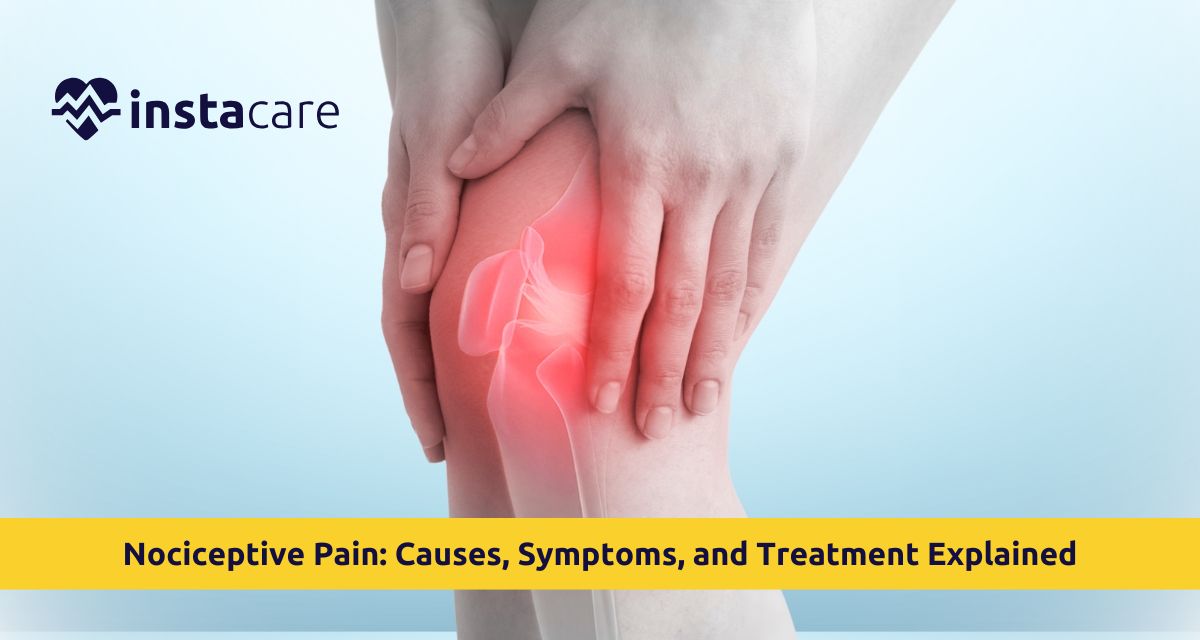
What Is Nociceptive Pain?
Nociceptive pain is pain that occurs in response of activation of the nociceptors and pain signals in response to tissue damage or possible harm. These nociceptors are Pain receptors in the body that are special and they are found in the skin, muscles, joints, and the internal organs. Key characteristics:
- Stimulated by trauma or disease.
- Frequently acute, painful or paining.
- Localized but often potentially spreading.
- Can be acute or chronic
This pain is also easy to spot and treat as opposed to nerve pain.
Types of Nociceptive Pain
Nociceptive pain has got two major categories, with regard to the source of the pain.
Somatic Pain
This takes place in the skin, muscles, joints, and bones. Examples Nociceptive pain (somatic):
- Cuts and bruises
- Muscle strains
- Bone fractures
- Arthritis
This is normally localized pain, which is easier to describe.
Visceral Pain
This has its origin in the inner organs.
- The differences between Somatic vs visceral pain:
- Visceral pain is pained and more difficult to locate.
- It is commonly referred to as pressure or cramping.
- May radiate to other areas
The most common are digestive disorders or inflammation of organs.
Common Causes of Nociceptive Pain
Nociceptive pain can be caused by many conditions of the everyday. Typical causes of nociceptive pain are:
- Injuries (cuts, burns, sprains)
- Surgical or medical intervention.
- Inflammation
- Muscle overuse
- Joint disorders
- Infections
- Organ-related conditions
Depending on the duration and the severity, both acute and chronic nociceptive pain may ensue.
Symptoms and Characteristics
The symptoms are dependent on the cause and severity of pain. Common symptoms:
- Sharp or throbbing pain
- Tenderness
- Swelling
- Redness (with inflammation)
- Limited mobility
Acute nociceptive pain is abrupt and temporary and in most cases associated with injuries. The causes of long-term nociceptive pains can be inflammation or degenerative illnesses.
Read More: What Is Chronic Pain?
How Nociceptive Pain Is Diagnosed?
Diagnosis involves the establishment of the antecedent cause of pain. A healthcare provider may:
- Observe a comprehensive medical history.
- Perform physical assessment.
- Determine the site and degree of pain.
- Imaging tests (X-ray, MRI) recommended.
- Request laboratory tests in case of inflammation.
Good assessment can be used to differentiate nociceptive and neuropathic pain so as to treat them properly.
Treatment and Management Options
The treatment is dependent on the cause, severity, and duration of pain.
Medications
- Over the counter pain reliever (e.g. NSAIDs)
- Anti-inflammatory drugs
- Prescription opiates (in the case of acute pain)
Physical Therapy
- Stretching exercises
- Strengthening routines
- Mobility improvement
Medical Interventions
- Corticosteroid injections
- Surgery (in case of structural impairment).
- Management of comorbidities.
Acute nociceptive pain can be averted into being chronic through early management.
Home Remedies and Self-Care Tips
The mild cases may be treated in the home. Assistance in self-care:
- Rest the affected area
- Apply ice packs for swelling
- Apply heat to rigidity.
- Gentle stretching
- Maintain proper posture
- Stay hydrated
Recurring pain episodes can be considerably decreased by lifestyle changes.
When to See a Doctor?
The patient should seek medical assistance when experiencing:
- Severe or worsening pain
- Persistent pain over a period of longer than a few weeks.
- Swelling or deformity
- Pain after trauma
- Limited mobility
- Pain accompanied by fever
Timely diagnosis is a manner of avoiding complications and long-term injuries.
Nociceptive Pain vs Other Types of Pain
To treat nociceptive vs neuropathic pain, it is necessary to understand them.
Nociceptive Pain
- Caused by tissue damage
- Stimulated by trauma or disease.
- Often localized
- Reacts positively to analgesics.
Neuropathic Pain
- Caused by nerve damage
- Sensation of burning or tingling.
- May are electrified or electropunctured.
- Special treatment is required.
The distinction will aid in the choice of an appropriate pain management strategy.
Conclusion
Nociceptive pain is an inherent protective system, which signals the body of a wound or swelling. Such pain may be either tiny or deep, however, it is always varied in its size and duration. Determining the type of pain, which is a nociceptive pain, understanding how the pain receptors can be activated in the body and early treatment will improve the recovery process and prevent complications. With the right diagnosis and lifestyle modification, most of the cases of nociceptive pain can be cured successfully through right treatment.
Please book an appointment with the best Pain Management Specialist in Lahore, Karachi, Islamabad, and all major cities of Pakistan through InstaCare, or call our helpline at 03171777509 to find a verified doctor for your disease.