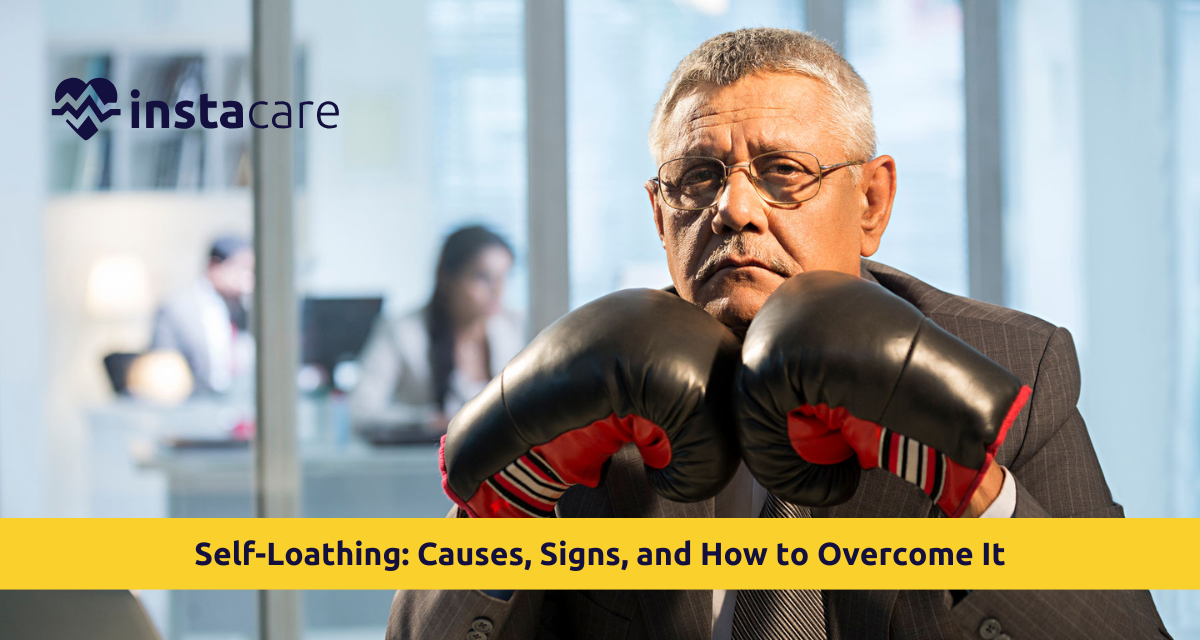
Most individuals with Negative self-talk are capable of criticizing themselves all the time or dwell on their errors. In the long run, these thoughts may destroy confidence and lead to long-term Self-worth problems. Learning self-esteem and healthy coping mechanisms can assist people to restore self-esteem and mental health by understanding the reasons behind the condition.
What Is Self-Loathing?
The Self-loathing meaning is a profound feeling of hatred, disappointment or disgust about one self. It is not just the occasional self-criticism but a tendency to think in a negative way about personal value regularly. Individuals who feel self-loathing are also unwilling to consider themselves good, worthy of love or incapable of success. These thoughts are usually fuelled by Psychological self-criticism, in which the mind is always making a point about the personal shortcomings and failures.
These beliefs may develop overtime and influence confidence, decision-making and the relationship with others.
Common Causes of Self-Loathing
Negative Childhood Experience.
The previous experiences tend to influence the way people perceive themselves. Self-hatred causes later in life may include harsh criticism, emotional neglect or unrealistic expectations in childhood.
Constant Comparison With others.
The comparison on social media, particularly, can be demeaning to the individual. When individuals experience the success of others, it can make them understand that they are unsuccessful or insecure.
Past Failures or Trauma
Long-term self-doubt may be a result of personal failure or rejection or traumatic events. People can absorb such experiences and accuse themselves.
Critical Environment
Being brought up or employed in a place where criticism is the order of the day may reinforce the Inner critic psychology and make the negative thinking be normal.
Signs and Symptoms of Self-Loathing
Repeated Negative Self-statements.
The negative self-talk that is always present is one of the most frequent Signs of self-loathing. People can constantly disparage their powers or looks or character.
Low Self-Esteem
Self-esteem go hand in hand with many individuals who are faced with self-loathing, so lack of confidence and fear of failure are manifested as well as inability to accept praise.
Feelings of Worthlessness
People can think that they do not deserve success, happiness, and good relations.
Avoidance of Opportunities
Self-loathing may cause individuals to shun on new challenges as they think that they would fail or disappoint other people.
Connection Between Self-Loathing and Mental Health
The sense of self-loathing is directly connected to mental health issues. Constant thinking negatively may lead to the problem of anxiety, depression, and emotional distress. The lower the self-esteem of individuals becomes when they judge themselves constantly and harshly. This rotation may cause the inability to have a good relationship or strive to achieve personal objectives. Mental health and self-esteem should be treated as one to end this cycle and create a healthier self-image.
Read More: Skin Regeneration: How the Skin Repairs, Renews, and Heals Itself
Effects of Self-Loathing on Daily Life
Self-hate can affect most spheres of lives. People can have difficulties in motivation, productivity, and decision-making as they do not believe in themselves. There can also be relationship damage. Individuals with a sense of insignificance can drive people out or struggle to believe in compliments and encouragement. Self-dislike can also add to the level of stress and decrease one level of emotional strength, which consequently makes it more difficult to handle the problems of life.
Ways to Overcome Self-Loathing
Negotiate Repetitive Reasonable Worries
Questioning negative beliefs is one of the best things to do in Overcoming self-loathing. The individuals are able to analyze whether the critical thoughts are realistic or exaggerated instead of believing them to be true.
Practice Self-Compassion
The self-judgment can be minimized by treating oneself in the same way it is treated to other people. Self-compassion promotes compassion instead of criticalizing.
Focus on Strengths
Possessing a level of awareness of personal strengths and achievements can serve to counter the negative thinking. Minor achievements must be rewarded and valued.
Set Realistic Goals
Going easy to accomplish goals can restore confidence and initiate positive experiences that can confront negative self-beliefs.
Role of Therapy and Professional Support
Professional care may be significant in dealing with a long-term self-hate. The role of therapists is to make people realize the roots of their bad thoughts and learn to think positively. CBT is a type of therapy usually employed to solve Psychological self-criticism by means of assisting people to substitute the negative thought processes with a positive one. Professional direction is also a safe place where people are able to talk about emotional struggles without being judged.
Self-Care Strategies to Build Self-Worth
Develop Healthy Habits
Physical and emotional well-being are achieved through regular exercise, proper nutrition, and sleep.
Limit Negative Influences
It can be assisted by reducing exposure to the surroundings or media that can create comparison to enhance self-perception.
Practice Positive Self-Talk
A supportive statement works out to gradually reduce the power of the inner critic by substituting harsh internal criticism with supportive statements.
Building Nurturing Relationships.
This supports the person by enabling them to build confidence and emotional strength by having supportive friends or family members around.
This would help in building the trust in individuals with time and address the Self-worth issues in the long term.
When to Seek Help?
Self-loathing can go to the extent of being uncontrollable. Professional help may be necessary when the adverse thoughts begin to interfere with daily activities or mental health. Individuals must consider seeking help in case of the further experience of worthlessness, manifested in relationships, or leading to anxiousness or depression. Interventing at an early age will make the recovery process easier and enable individuals to perceive themselves in a better way.
Conclusion
Self-loathing is a challenging emotional procedure that can affect relations, mental well-being and self-esteem. The further perpetuation of negative self-talk and self-criticism is likely to be a vicious circle, and lowers the self-esteem and emotional status. However, change is possible. The problem of self-loathing may be addressed gradually through doubting negative beliefs and self-pity and also seeking professional help where necessary. Healthy relationship with oneself is one of the key ways of achieving emotional resistance, confidence, and long-term personal development.
Please book an appointment with the best Psychologist in Lahore, Karachi, Islamabad, and all major cities of Pakistan through InstaCare, or call our helpline at 03171777509 to find a verified doctor for your disease.