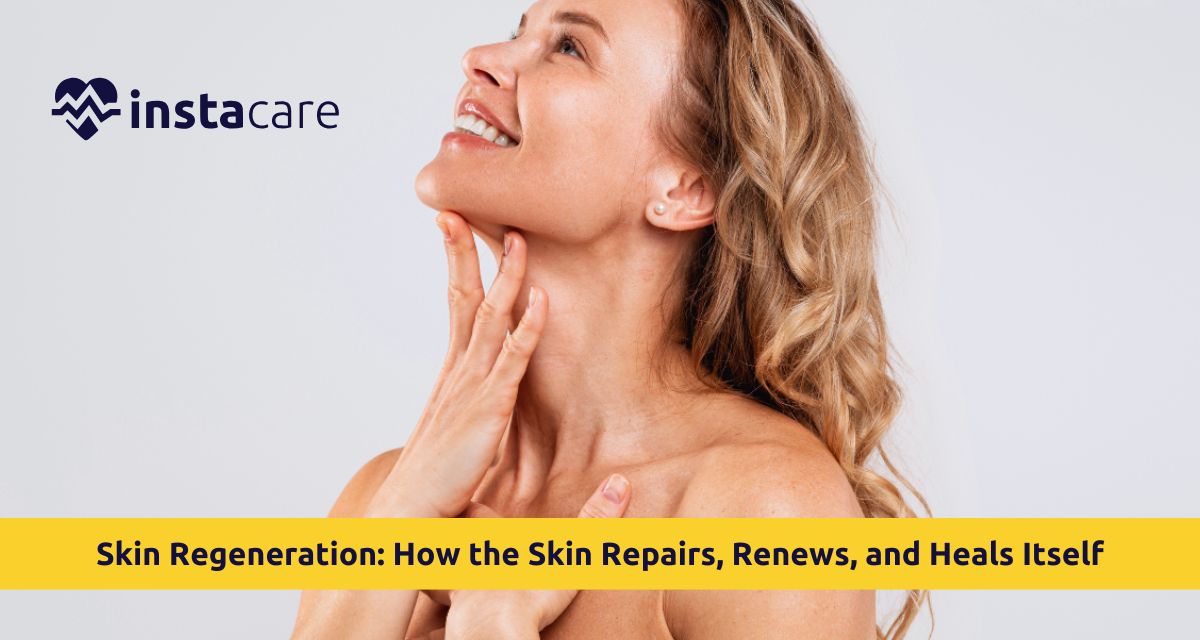
The natural process of skin regeneration works to repair scarred skin and the body replaces the old cells and keeps the skin healthy and safe to act as a protective barrier. This process is crucial in maintaining the strength of skin, its youthfulness, and resilience as it is known to heal minor cuts and renew skin cells every day. The mechanism of skin regeneration can assist you in maintaining a healthier skin and knowing when to seek professional attention.
What Is Skin Regeneration?
Skin regeneration is a continuous process in which the skin replenishes its cells as needed to replace damaged, injured, or aging cells. This is necessary in order to keep the skin in shape, maintain its elasticity and to stay healthy. The skin cell regeneration functions are important because they include:
- Healing wounds and injuries.
- Repairing the destroyed or broken skin cells.
- Favoring the production of collagen.
- Keeping the protective barrier of the skin.
In the absence of proper skin regeneration, the skin will be susceptible to aging, infection and slow healing.
How Skin Regeneration Works?
The skin-healing process is multiphase and involves interactions among different cells, proteins, and growth factors. Main stages of skin repair:
- Inflammation: When the body is injured it reacts by getting more blood and mobilizing immune cells.
- Cell proliferation: New cells are generated to repair tissue damage.
- Remodelling: the collagen fibre reform to regain the strength and flexibility.
This is a natural process through which the skin is able to self heal without losing its structure and functions.
Factors That Affect Skin Regeneration
The rate of skin repair as well as its efficiency is affected by several internal and external factors. Common factors include:
- Age: The process of skin regeneration reduces because the production of collagen reduces.
- Nutrition: Vitamin and protein deficiencies slow down healing.
- Hydration: Skin that is dehydrated heals at a slower rate.
- Exposure to the sun: UV radiation disrupts skin healing.
- Lifestyle behavior: Stress and smoking are detrimental to regeneration.
These elements promote healthy wound healing and skin regeneration.
Benefits of Healthy Skin Regeneration
Skin regeneration is efficient and offers medical and cosmetic benefits. Key benefits include:
- Quick healing of a wound and scarring.
- Better skin tone and improved skin texture.
- Increased barrier and protection of skin.
- Reduced signs of aging
- Improved reaction to skin care interventions.
Healthy skin regeneration and healthy collagen help to maintain skin in a firm and youthful condition.
Signs of Poor Skin Regeneration
In case the regeneration process is slow or impaired, visible problems with skin can be observed. Warning signs include:
- Slow-healing cuts or wounds
- Continued dryness or parchmenting.
- Greater fine lines and wrinkles.
- Uneven skin tone or texture
- Recurring skin infections or irritation.
Such indicators can either suggest the necessity of providing specific skin regeneration therapy or medical diagnosis.
Natural Ways to Boost Skin Regeneration
My natural approach to skin repair may be that of good support and it may have a big impact on the health of the skin overall. Effective natural methods:
- Balanced diet: The protein, vitamin C, zinc, and omega-3s aid in skin repair.
- Sufficient sleep: Cell regeneration is enhanced when one is on deep sleep.
- Hydration: Water helps in the delivery of nutrients to cells of the skin.
- Sun protection: It stops damage that retards regeneration.
- Light skincare: Do not rub-a-dub-a-dub exfoliation.
A regular routine improves the repair and regeneration of skin per day.
Medical & Aesthetic Treatments for Skin Regeneration
More complex treatments can speed up the healing process for those with severe skin damage or aging issues. Usual skin regeneration treatments:
- Microneedling: Promotes the growth of collagen.
- Peels of the skin: Using chemicals: Dead skin cells.
- Laser treatments: Grow new skin.
- PRP therapy: It involves the use of growth factors to boost healing.
- Topical retinoids: increase cell turnover.
These skin regeneration treatment options need to be done as long as one has the advices of a professional.
Post-Treatment Skin Care for Regeneration
Adequate management follow-up is essential to optimize treatment outcomes and support healing. Post-treatment care tips:
- Apply mild and scent-free products.
- Avoid being exposed to the sun and use sunscreen.
- Keep skin moisturized
- Do not pick or scratch your healing skin.
- Adhere to the routines suggested by dermatologists.
Proper aftercare is essential for maximizing skin cell regeneration and minimizing complications.
Who Can Benefit from Skin Regeneration Treatments?
Treatment of skin regeneration is useful to a very broad group of individuals. They are particularly useful in:
- Individuals with acne scars or skin tone.
- The skin becomes old and loses elasticity.
- Patients who have undergone surgery.
- Individuals whose skin has been damaged by the sun or it is uneven.
Individualized skin regeneration treatment programs are safe and effective.
When to Consult a Dermatologist
Although minor skin problems can be treated at home, there are cases when a specialist's assistance is needed. Seek the advice of a dermatologist in the event of:
- Improperly healing wounds.
- Constant inflammation or infections.
- Acute alterations in the skin texture or color.
- Long-term skin disorders in healing.
Specifically, early intervention facilitates healthy wound healing and skin regeneration.
Conclusion
Skin regeneration is an essential biological process through which the skin is able to repair, renew and defend itself. Healthy regeneration helps to maintain a youthful look and general skin condition, including daily cell turnover to intricate wound healing. You can improve the natural healing capacity of your skin and well-being by adopting good lifestyle habits and visiting the professionals in case of complications.
Please book an appointment with the Best Dermatologist in Lahore, Karachi, Islamabad, and other major cities of Pakistan through InstaCare, or call our helpline at 03171777509 to find a verified doctor for your condition.