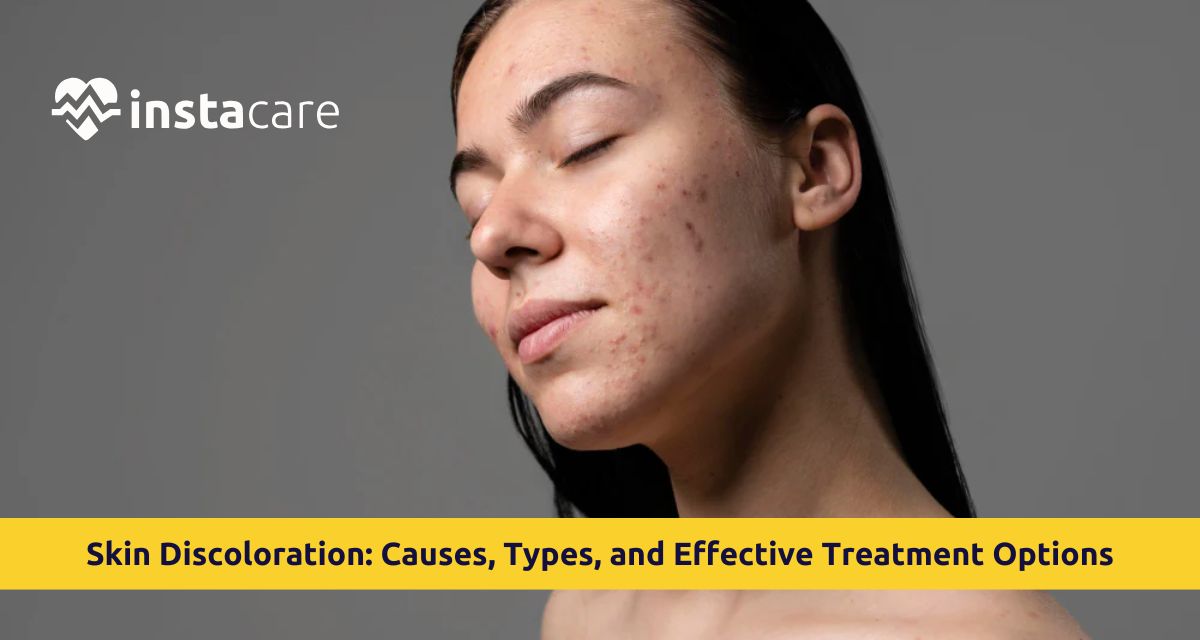
Discoloration of skin is a major issue that is experienced
by individuals of any age and skin complexion. Slight blotches and significant dark spots, along with alterations in skin color, can affect not only how a person looks but also their confidence. Whilst some cases are harmless, others constitute evidence
of underlying skin conditions.
The guide provides an idea about the causes, forms, symptoms and the treatment of skin discoloration as well as some practical tips to prevent it.
What is Skin Discoloration?
Skin
discoloration is described as the abnormal color of the skin that is due to a
change in melanin or blood circulation. This can take the form of light or dark spots, redness, or unbalanced coloration in various parts of the
body.
The disorders of skin pigmentation may occur in any area of the body but they are mostly found on the face, hands, neck, and arms as such areas are exposed to the environment.
Common Causes of Skin Discoloration
Sun Exposure
One of the
major causes of the sun damage pigmentation is over exposure to the sun. The UV
rays increase the synthesis of melanin and this causes spots on the skin to
appear dark and skin tone uneven.
Hormonal Changes
Melasma is a
sort of hyperpigmentation that can be caused by hormonal changes during
pregnancy, during menopause or birth control use.
Inflammation and Acne
Post-inflammatory
hyperpigmentation is the residual dark spots that are left behind following
acne, burns, cuts, or rashes healing.
Aging
Age spots
and discoloration are brought about by uneven distribution of melanin in the
skin as the skin ages.
Skin Lacerations or Health Issues
There are
other skin pigmentation diseases like vitiligo or dermatitis which may cause hypopigmentation
or reddening and discolouration of the skin.
Allergic Reactions
Irritation may result in redness and discoloration of the skin or medications may cause discoloration.
Types of Skin Discoloration
Hyperpigmentation
It happens
when there is too much melanin that results in dark spots on skin. Commonly
used ones are melasma, sunspots, and post-inflammatory hyperpigmentation.
Hypopigmentation
This
includes pigment loss, which causes light pigments. Hypopigmentation can be
caused by such conditions as vitiligo and some fungal infections.
Vascular Discoloration and Redness
Rosacea,
ruptured capillaries or inflammation may cause redness and skin discoloration.
Skin Discoloration on Face
The skin discoloration on face occurs especially because of the sun exposure, alteration of hormones, and reactions of the cosmetic products.
Symptoms and Signs to Watch For
Skin discoloration can manifest in various ways depending on the cause.
Common
signs include:
- Dark spots
or patches on skin
- Uneven skin
tone
- Light areas
(hypopigmentation)
- Redness and
irritation
- Remaining scars following acne or trauma.
In case the discoloration occurs rapidly, becomes widespread, or becomes both itchy and sore, it might need medical examination.
Treatment Options for Skin Discoloration
Topical Treatments
Dermatologists
usually prescribe creams and serums with:
- Vitamin C
- Retinoids
- Niacinamide
- Hydroquinone
The
ingredients are useful to minimize hyperpigmentation and poor complexion on the
skin.
Chemical Peels
Peels are chemical treatments that remove the outer layers of the skin, which is essential for removing dark spots and creating a smoother complexion.
Laser Therapy
Laser ablution is also melanin-specific and used for melasma treatment and recalcitrant pigmentation.
Microdermabrasion
This is a
non-invasive treatment that removes dead skin cells to reduce pigmentation from mild sun damage.
Skin Lightening Treatments
Severe skin
pigmentation disorders can be treated with professional skin lightening
treatments though this must always be administered under medical supervision.
Natural Remedies (Mild Cases)
In cases of mild discoloration, individuals may apply natural extracts such as aloe vera, liquorice extract, or green tea. However, results may vary.
Prevention Tips for Skin Discoloration
Use Sunscreen Daily
Sunscreen
with a broad spectrum helps against the effects of UV on skin overcoloration
and color imbalance.
Avoid Picking Acne
Picking
pimples predisposes one to post-inflammatory hyperpigmentation.
Choose Gentle Skincare
Avoid cruel
products that offend skin and cause redness and change of skin color.
Maintain a Healthy Diet
Antioxidant-rich foods help repair the skin and reduce the risk of pigmentation.
Manage Hormonal Triggers
A healthcare worker should consult in case hormonal imbalance is one of the causes of melasma or discoloration.
When to See a Dermatologist?
You must see
a dermatologist when:
- The
discoloration either develops abruptly or extends fast.
- You see dark
spots that would not fade away.
- The
hypopigmentation comes without explanation.
- Skin discoloration can affect confidence and worsen over the
years.
- Home interventions are not improving.
At an early stage, they will be diagnosed and treated effectively, preventing the worsening of pigmentation.
Conclusion
Skin
discoloration may be mild and cosmetic in nature or an indicator of underlying
skin disease. Regardless of whether the discoloration is due to sun exposure, hormonal changes, or inflammation, one must know the type and cause to
effectively treat it.
With appropriate skincare and protection when needed, most uneven skin color and pigmentation can be addressed effectively. If the discoloration is not removed or worsens, professional assistance will ensure effective and safe treatment.
Please book an appointment with the Best Dermatologist in Lahore, Karachi, Islamabad, and other major cities of Pakistan through InstaCare, or call our helpline at 03171777509 to find a verified doctor for your condition.