Winter eczema is one of the common ailments affecting the skin that are worsened by the cold seasons due to low humidity, cold winds and indoor heating. These environmental forces withdraw natural moisture in the skin, sabotage the skin barrier and leads to inflammation. Those who had the experience of eczema or have sensitive skin are especially prone. With the knowledge of the causes, symptoms, and the most appropriate management practices, the case of winter eczema flare-ups can be reduced and the skin healthy throughout the cold season.
What Is Winter Eczema?
Winter eczema is a type of eczema where the symptoms develop for the first time or they become extreme in winter. It is not an independent medical diagnosis but an aggravation of eczema seasonally, which in most cases is associated with dry skin eczema in winter.
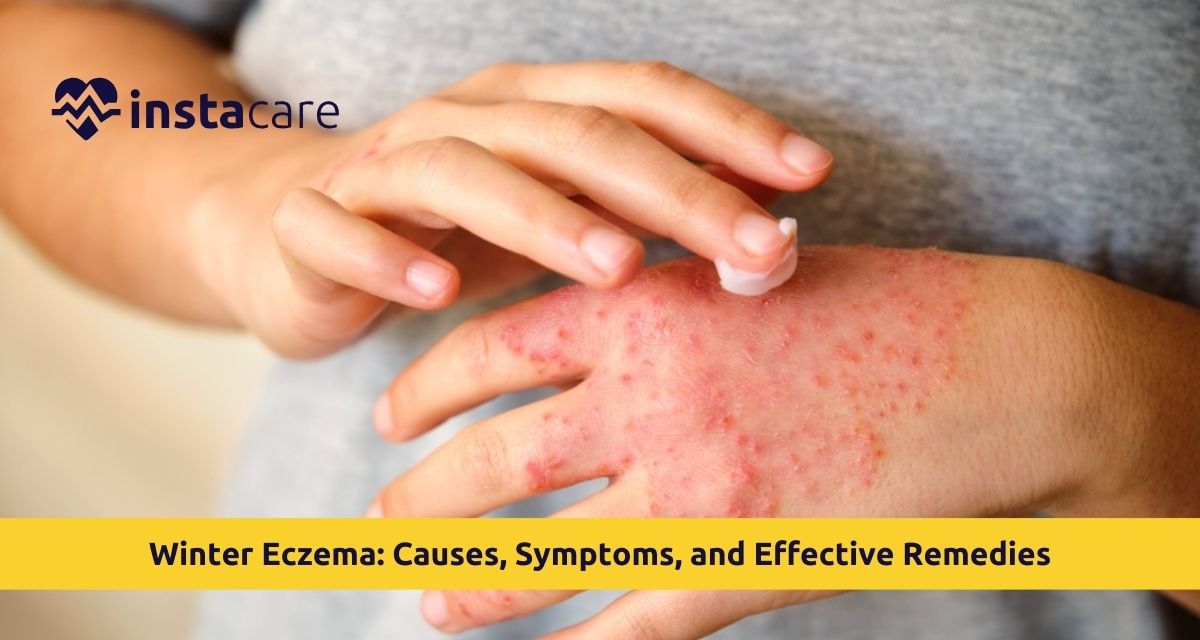
The condition is prevalent in places that are exposed to cold air or frequent washing, like the hands, face, legs and arms. Winter eczema on hands is also especially widespread as it is influenced by constant exposure to cold temperatures, water, and soaps.
What Causes Winter Eczema?
A number of environmental and lifestyle causes are known to cause cold weather eczema particularly during the winter months where skin hydration is more difficult to maintain. Common causes include:
- Dry skin due to low levels of humidity.
- Fresh air and severe winds ruining the skin barrier.
- Air conditioning units that eliminate moisture in the air.
- Hot showers often deprive of natural oils.
- Harsh soaps and detergents
- Less natural oil production in cold weather.
All these factors undermine the protective barrier of the skin making it susceptible to irritation and inflammation.
Common Symptoms Of Winter Eczema
Winter eczema symptoms may include mild and dry skin as well as severe inflammation, based on the skin sensitivity and environmental exposure. Typical symptoms include:
- Dry, rough, or flaky skin
- Redness and inflammation
- Nighttime itching aggravated.
- Cracked or bleeding skin
- Thickened or scaly patches
- Pain of burning or stinging.
It is essential to differentiate winter eczema vs dry skin. Although the dry skin will be tight or even flaky, the eczematous will be characterized by redness, itchiness, and inflammation.
Read More: Benefits Of Coconut Oil For Eczema You Need To Know
Who Is Most At Risk?
Some persons tend to have winter eczema as a result of genetic, environmental, or lifestyle. Higher-risk groups include:
- Individuals who have a history of eczema, asthma, and allergies, either personal or family.
- People that have naturally dry or sensitive skin.
- People who are in cold and dry climates.
- Individuals that wash their hands often.
- People who are subjected to hard chemicals or detergents.
Knowledge on individual risk factors will contribute to prevention measures being taken at the beginning of the season.
Preventing Winter Eczema Flare-Ups
Winter eczema is treated through prevention. It is possible to reduce triggers and strengthen the skin barrier, which will considerably decrease the flare-ups. The good prevention strategies are:
- Washing a number of times per day.
- Cleaning the vagina with fragrance-free, gentle cleaners.
- Restricting hot bath and showers.
- Putting on gloves during the cold season.
- Using a humidifier indoors
- It is better not to wear wool or rough fabrics on the skin directly.
Regular preventive care is usually more effective than treatment of the exacerbations after their occurrence.
Treatments For Winter Eczema
The winter eczema treatment is aimed at restoring the skin moisture, decreasing inflammation, and allerging it. Depending on the type of tumor, common treatments are:
- Topical moisturizers and emollients to heal the skin barrier.
- Corticosteroids either as prescription or over the counter to decrease inflammation.
- Antihistamines to treat the itch in serious cases.
- Calcineurin topical inhibitors of sensitive regions.
- Antibiotics in case of any skin infection.
The appropriate treatment is determined by the severity of symptoms and is to be prescribed by a professional.
Lifestyle And Home Care Tips
Essentially, daily routines are important in treating winter eczema and help avoid relapse of the symptoms. Assistive home care interventions contain:
- Immediately post-bathing, use of moisturizer.
- Selecting hyaluronic acid or ceramide-containing moisturizers for winter eczema.
- Layered clothing Wearing breathable clothing.
- Taking enough water to keep the skin hydrated.
- Nonspecific detergent use in laundry.
- Scratching should be avoided to avoid damage to the skin.
These are lifestyle changes that aid in upholding integrity of the skin and decreasing irritation.
Myths And Facts About Winter Eczema
Myth: Winter eczema is simply dry skin. Fact: Winter eczema is inflamed and involved with immune response, although the role of dryness plays a part.
- Myth: Hot shower is beneficial in eczema.
- Fact: Dryness and irritation may be aggravated by hot water.
- Myth: It is sufficient to moisturize one day a day.
- Fact: Winter eczema should be used many times a day.
- Myth: People with eczema are the only ones to experience winter flare-ups.
- Fact: The symptoms in winter can be experienced even in people with non-ezzamanous history.
Dispeling these myths will enable individuals in coping with the condition.
Conclusion
Winter eczematous is a common and curable skin condition that is an outcome of environmental stressors and lack of skin barrier as the seasons become colder. The level of discomfort can be significantly reduced by early diagnosis, the familiarity with stimulating factors, and regular preventive and curative measures. By applying the correct measures in terms of skincare and altering their lifestyles besides receiving medical treatment in time, people can control eczema attacks in winter and protect their skin in winter.
Please book an appointment with the Best Dermatologist in Lahore, Karachi, Islamabad, and all major cities of Pakistan through InstaCare, or call our helpline at 03171777509 to find the verified doctor for your disease.