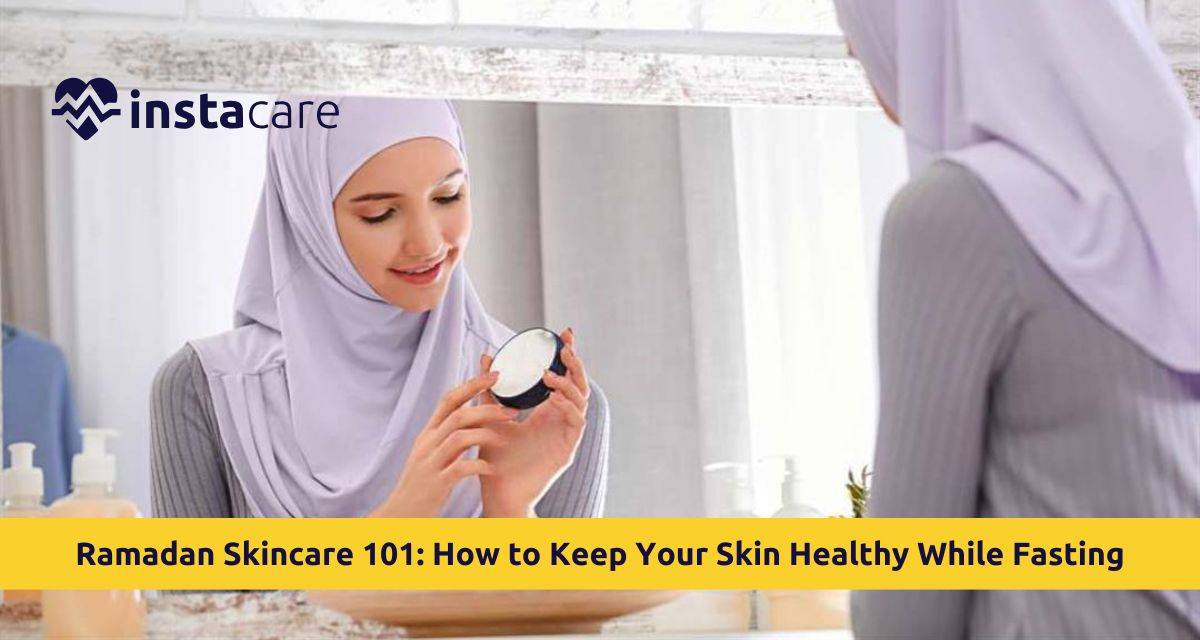
Ramadan creates spiritual reflection, discipline, and alteration in daily life- cycle, including eating, sleeping, and hydration habit. Although fasting offers numerous benefits, it can also affect the skin if not properly cared for. Changes in water intake, sleep patterns, and diet can cause dryness, dullness, or breakouts. A considerate Ramadan skincare routine is believed to help maintain balance, glow, and comfort during the month of fasting.
How Fasting Affects Your Skin?
Fasting affects the body's hydration and nutrient intake, which directly impacts the skin. The typical changes to the skin in the state of fasting are:
- Dehydration which causes dry skin during Ramadan.
- More oil production as a result of dehydration.
- Dull or tired-looking skin
- Acne or break out during Ramadan.
- Dark circles due to a change in sleep patterns.
By knowing about changes, you are able to adjust skincare during fasting better.
Essential Skincare Goals During Ramadan
The skincare during Ramadan is to be aimed at protection, hydration, and repair. Key skincare goals include:
- Maintaining skin hydration
- Supporting the skin barrier
- Preventing breakouts
- Defending against sun exposure.
- Promoting overnight repair
- Multiple layers are worse than a simple one with the right products.
Morning Skincare Routine (Suhoor-Friendly)
The morning routine will help save the skin during the long fast periods. Suhoor skincare steps:
- Light cleanser: No overnight oil is stripped off, leaving skin dry.
- Hydrating toner or essence: Brings light hydration.
- Moisturizer: Closes moisture and avoids dryness.
- Sunscreen: This is necessary to avoid UV damages.
The morning Ramadan skincare routine is lightweight and helps decrease the effects of dehydration and sun-related damage.
Evening Skincare Routine (After Iftar)
Repairs and food after the fast break are best done in the evening. Post-Iftar skincare steps:
- Double cleanse: Removes sunscreen, dirt, and oil.
- Hydrating serum: Replenishes water lost during the day.
- Moisturiser or night cream: Helps the skin to recover.
- Optional therapies: acne or brightening therapies when required
- Other therapies: Use option acne or brightening therapies as needed.
Evening skincare during the fasting period helps the skin restore itself while you sleep.
Best Ingredients for Ramadan Skincare
A difference is evident in the selection of appropriate ingredients. During Ramadan, skin-friendly ingredients are:
- Hyaluronic acid: Increased hydration.
- Glycerine: Locks in moisture
- Niacinamide: Oil control and skin barrier.
- Ceramides: Help repair dry, tender skin.
- Aloe vera: Relaxes irritation.
Avoid strenuous activities that can aggravate dryness or sensitivity.
Skincare Tips During Ramadan
Minor things that are important to the health of the skin during fasting. Assistive skin care tips in Ramadan:
- Take plenty of water in between Iftar and Suhoor.
- Consume juicy foods such as vegetables and fruits.
- Limit intake of caffeine and salty foods.
- Apply lip balm and hand cream.
- Make skincare uncomplicated and regular.
Good hydration tips for skin during Ramadan will contribute to a healthy glow from within.
Common Skincare Mistakes to Avoid
Certain habits may exacerbate skin issues during Ramadan. Mistakes to avoid:
- Bypassing sunscreen at the time of fasting.
- Excess fissure of dry or sensitive skin.
- Excessive use of acne treatments.
- Not using moisturizer because of oily skin.
- Sleeping with makeup on
Preventing such errors contributes to skin balance and comfort.
Skincare for Different Skin Types During Ramadan
Different skin types require minor adjustments to routines.
Dry skin:
- Use richer moisturizers
- Avoid foaming cleansers
- Use moisturizing serums twice per day.
Oily or acne-prone skin:
- Use gel-based moisturizers
- Avoid heavy oils
- Use gentle cleansing to control acne during Ramadan.
Sensitive skin:
- Use fragrance-free products
- Limit exfoliation
- To concentrate on calming ingredients.
Customizing skincare during fasting is more likely to achieve desired outcomes across all skin types.
Conclusion
Ramadan is an equilibrium and your skin care routine should reflect it. The consequences of dryness, breakouts, and irritated skin can be avoided with a well-designed Ramadan skincare routine that accounts for the effects of fasting on the skin and the need to follow it. The beauty of healthy, bright skin in the month lies in the secrets of hydration, gentle care, and regularity.
Please book an appointment with the Best Dermatologist in Lahore, Karachi, Islamabad, and other major cities of Pakistan through InstaCare, or call our helpline at 03171777509 to find a verified doctor for your condition.