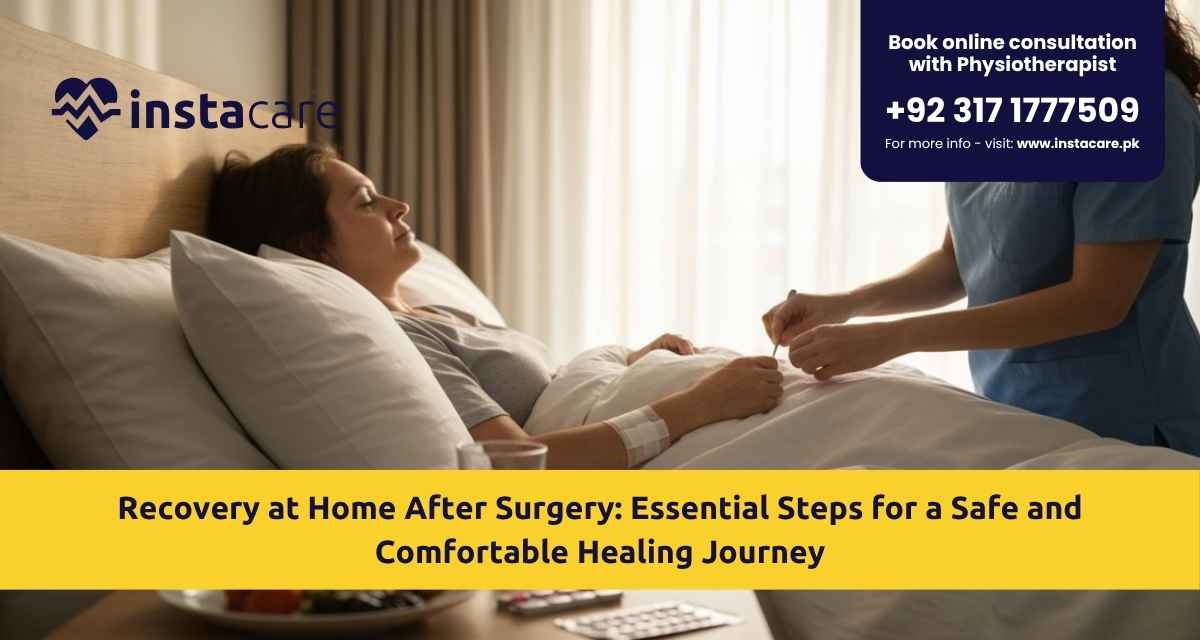
Some surgeries and patients may heal quicker than others, but there are principles that you can follow that’ll make the healing process more comfortable and safe. The best way to prepare your home is to move things that you frequently use to things that aren’t frequently used.
Prior Planning Improves Postoperative Experience
The first part of many successful recoveries is the pre-surgery planning. Though it may seem premature, changes to set up your home can help eliminate stressful and painful movement. Set up your ‘recovery room’ with your medicine and all other things that you may need to keep close. Set up furniture in clear paths to avoid walking hindrances. Ensure that your recovery room is set up safely to avoid falls. Recovery most likely will limit your normal activities. Prepare family or friends for caretaking duties. They can assist with house chores and provide transportation until you are able to do so yourself.
Important Points to Follow After Surgery
Postoperatively, healthcare professionals provide instructions on postoperative medications, wound care, physical activities, diet, and follow-up visits. These instructions are specific to your surgery and your individual recovery. Medication instructions include pain medication. It is important to take your medications as directed to control postoperative pain and promote healing and to avoid complications. In order to avoid complications and ensure a smooth recovery, it is very important to follow instructions to the letter. Creating a daily or weekly schedule with chart time for you to take your medications, perform your exercises, and perform the other necessary steps of your care is a helpful way to ensure adherence to your recovery instructions and avoid unwanted complications.
Caring for Your Surgical Wound
One of the most important parts of your recovery during the post-surgery period is the care of your surgical wound. It is of utmost importance that you follow the instructions focused on your surgical wound. In order to facilitate your recovery, protect your surgical wound and do not unnecessarily touch the surgical site, even when changing the dressing. Depending on what your instructions advise, you may be asked not to soak your surgical wound in the bath or the swimming pool.
If you develop increased swelling, increased pain, or discharge, you should notify your healthcare provider. If you would rather not manage dressing changes on your own, InstaCare offers a home care nurse service for wound care in Lahore. A nurse can clean and change the dressing, watch for signs that the wound is not healing well, and remove stitches when your doctor advises, so you can inform your doctor early if something looks wrong.
Managing Post-surgery Pain
Pain after surgery should lessen over time and as your surgery heals. Pain helps rest and lets you do the recovery exercises. Follow administration instructions and any complementary measures suggested. Measures may include changing positions, using supportive pillows, cold/hot therapy, and relaxation techniques. It is vital to discuss pain levels so severe discomfort is not misinterpreted. Unmanaged pain negatively impacts movement, sleep, and functioning.
Rest and Sleep
Rest delineates surgery healing time and energy expenditure. It is normal to be fatigued post-surgery, even with the normal healing process; although, it is during rest that recovery and healing is achieved. Rest and sleep are strengthened when the environment is relaxing. Excess rest can limit recovery and should be reserved for times that are truly restful. Rest should be complemented with recovering movements to aid circulation andRegaining strength.
🧪 Book Your Chughtai Lab Tests & Get Up to 25% OFF!
Rest and Healing
Nutrition aids recovery. The body needs energy and protein for tissue healing and strength regained. The body also needs nutrients and vitamin for optimal functioning. Nutrition can aid recovery when there is an intake of balanced meals including protein sources, fruits, vegetables, whole grains, and energy sources. Staying hydrated can aid recovery and help avoid constipation. After surgery your appetite may be decreased, so start small and recover at the pace instructed.
Gentle Movement and Physical Activity
Generally, people think that the most effective route after surgery is to sit completely still, but the actual answer is so much more than that. Proper movement and activity is, in fact, a necessary part of recovery. Movement, done correctly, can restore circulation and help build and maintain muscle strength. As always, you must follow the limits on activity post-surgery. Most places recommend starting with short walks or approved exercises to ease some of the burden and build some of your independence and confidence again. Activity should slowly increase over time and pain should never be increased by any heavy lifting, intense exercise, or any activity that causes pain. You need to realize that your body is not a race car of recovery, and you need to enjoy the process yourself. That is all that matters.
Emotional Health During Recovery
Not a lot of people consider this, but surgery affects a lot more than your body. You may experience a lot of changes in your mood post-surgery, to the point of almost being emotionally reliant, as well as worries, frustration and irritation. If you want to feel better, you need to stay connected to people. You should keep up with your family and friends, and totally enjoy all of your hobbies. You should make a point to celebrate the small things that happen during recovery like independent movement, or being able to take care of yourself. A positive outlook doesn't mean ignoring negative side effects. It means acknowledging the progress you've made, and giving yourself the time you need to heal.
Knowing When to Seek Help
Recovering without long-term issues is possible, but knowing the warning signs is equally important. Post-surgery checkups are great ways to make sure you are on the right healing track. If you are experiencing symptoms like pain, weakness, infection, or bleeding, then you should see a professional immediately.
Conclusion
Being able to heal and recover from surgery at home means being patient, prepared, and consistent. All the little things that involve the daily act of recovery — taking medication, changing the dressing, eating right, getting rest, and doing the exercises - all matter in the big scheme of things in the long run of recovery. Full recovery is not just healing the surgical area. It also means regaining confidence to be independent throughout life. Recovery also means reintegrating back into the community through everyday activities safely and comfortably.
Get trusted and professional home care services in Lahore through InstaCare. Whether you need physiotherapy, nursing care, elderly support, stroke rehabilitation, post-surgery assistance, or ongoing patient care, find qualified healthcare professionals who can provide personalised support in the comfort of your home.