What is Skin Cancer?
During the formation of skin cancer, something disrupts the natural bounds that govern skin cell growth. This disruption is mainly from genetic mutations from the UV rays from the sun and tanning beds. Some other factors may include some genetic factors, an immune system deficiency, or carcinogenic chemicals. The typical areas affected by skin cancer are the sun exposed areas such as the face, neck, arms, and hands. Though it can be found anywhere on the body. Most types of skin cancer can be treated easily if detected early.
Causes of Skin Cancer
Skin cancer can be caused by many different things, but the main cause of skin cancer can be traced back to UV radiation. There are two different kinds of radiation. There are UV-A rays which mainly impact the inner skin, and UV-B, which primarily impacts the outer layer. Each is just as equally damaging to the skin and can result in mutations.
Additional risk factors include:
- Fair skin, light eyes, and hair - Light-skinned individuals have less melanin and therefore are less protected against UV damage.
- Family History: Genetics can increase risk for some skin cancers, including melanoma.
- Moles and atypical nevi - People with many moles or with irregular moles are at a greater risk.
- Age - The risk of skin cancer grows with age due to the accumulation of sun exposure.
- A weakened immune system - Diseases and medications that suppress the immune system make people more at risk.
- Vulnerability to carcinogens - Exposure to longstanding radiation as well as other industrial and arsenic chemicals can heighten risk.
Some signals of Skin Cancer
The range of symptoms for skin cancer is vast and depends on the kind of skin cancer, but commonly, they include alterations in the appearance of skin. Here are some warning signs:
- A sore or new injury that is not healing
- The size or shape of a mole or a spot on the skin is changing the skin.
- Moles that are irregular in shape and have uneven edges.
- Moles that have more than one color.
- A spot or lesion on the skin that is tender, itchy or has bleeding.
- The skin has patches that are scaly and crust.
- Any skin changes should be evaluated by a doctor.
Types of Skin Cancer
Basal Cell Carcinoma (BCC)
Basal cell carcinoma is the most frequent skin cancer. It arises from the basal cells located at the base of the epidermis. BCC is associated with slow growth and lack of metastasis, but it is capable of extensive and detrimental damage to the surrounding tissues. Pearly or waxy lumps, flat lesions with brown or flesh coloring, and non-healing scabs or sores are the main indicators of BCC.
Squamous Cell Carcinoma (SCC)
SCC is developed from squamous cells of the skin’s outermost layer. SQCC has a more aggressive nature than BCC, with tendencies to metastasize to other regions, including lymph nodes and distant organs. Presentation includes raised red lesions, scaly patches, and open sores with oozing and crusting. SCC is more likely to develop with chronic sun exposure and in people with immune deficiency.
Book Your ANTI CARDIOLIPIN IgG, IgM Test at Zeenat Lab and Enjoy 20% Off!
Melanoma
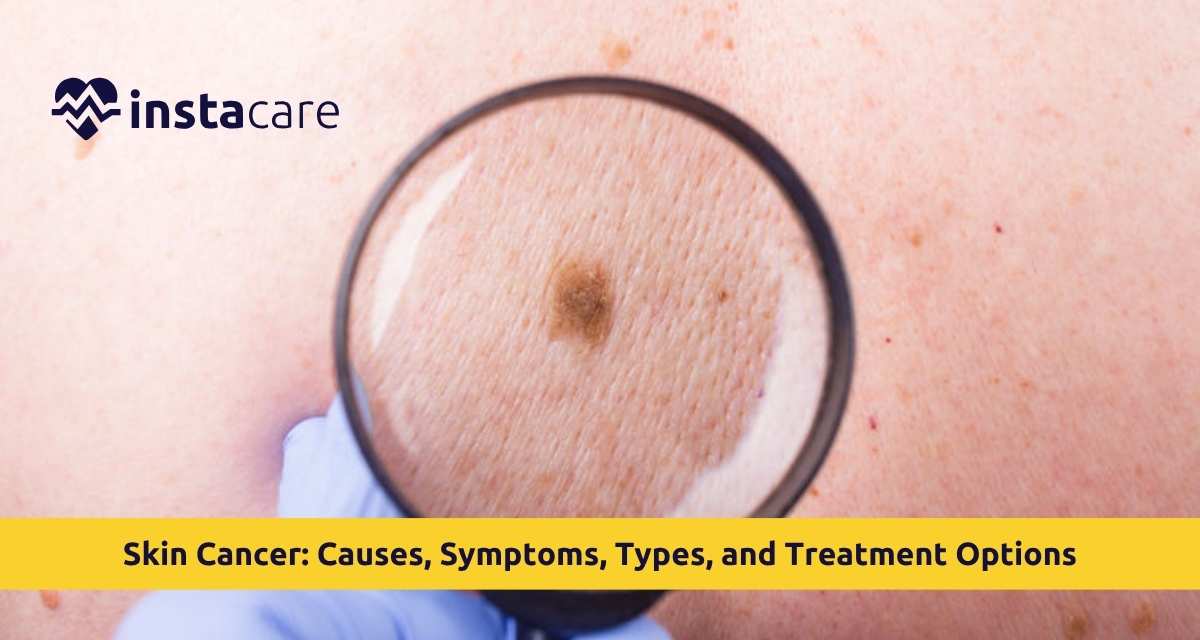
Melanoma is the most dangerous form of skin cancer, and is developed from pigment producing cells, melanocytes. It is typically found within new lesions, or, alternatively, can arise from existing nevi (moles). Initial presentation of melanoma follows the “ABCDE” indicators: Asymmetry of the lesion, irregular border, one or more colors, diameter greater than 6mm, and Evolution in size or presentation. Melanoma has a tendency to spread rapidly to many organ systems, making early intervention a priority.
Less Common Skin Cancers
Aggressive and rare skin cancers, including Merkel cell carcinoma, Kaposi's sarcoma, and protuberans dermatofibrosarcoma. These cancers are uncommon, but can be more aggressive and might necessitate treatment from a specialist.
Options for Treating Skin Cancer
The type, location, size, and stage of the cancer, as well as the patient's other health concerns, determine the treatment. Here are a few options:
- Surgery - Excision, Mohs surgery, and curettage and electrodessication remove cancer. Mohs surgery is great for BCC and SCC as it removes cancer layer by layer, while keeping the healthy tissue intact.
- Radiation - High-energy rays kill the cancer cells. This is often used for tumors that are hard to reach through surgery.
- Chemotherapy - This can either be a topical treatment, or a systemic treatment to some specific skin cancers and .
- Immunotherapy - This treatment uses checkpoint inhibitors to help the body's immune system fight the cancer and is used for advanced melanoma skin cancers.
- Targeted therapy - This treatment can help the body's immune system fight the cancer and is used for advanced melanoma skin cancers.
Advanced skin cancers require more aggressive treatment, but in general, skin cancers respond really well to treatment, and often the prognosis is really good. This is also why follow up appointments are essential to monitor for other new skin cancers or recurrences.
Prevention and Home Care
The best way to treat skin cancer is to be proactive and take preventive measures to significantly decrease your risk of skin cancer:
- Try to reduce your exposure to the sun, and avoid sunlight between 10 AM and 4 PM.
- Sunscreen or Sunblock should be applied every day, even in the rain, and should be a minimum of SPF 30.
- Wearing protection like a long-sleeve shirt, or wide-brim hats keeps the UV rays off the skin.
- UV rays from tanning beds are a big cause of skin cancers, and should also be avoided.
- Monthly self skin checks to look for new or changing lesions should be done, and a dermatologist should be seen once a year.
Conclusion
Everyone is a candidate for skin cancer, but not everyone is a candidate for avoidable cancer. With knowledge of the signs and the causes of skin cancer along with prompt medical care, individuals can greatly improve their chances of survival. Professional treatment, as well as sun protection, skin protection, avoiding tanning beds, and routine self examination can lower the chance of skin cancer. Awareness and fast care can improve many skin conditions. It is our responsibility to maintain skin health and to avoid the consequences of skin cancer that can be fatal.
Please book an appointment with the best Dermatologist in Lahore, Karachi, Islamabad, and all major cities of Pakistan through InstaCare, or call our helpline at 03171777509 to find a verified doctor for your disease.