In this blog we are going to discuss the reasons behind skin reddening, management of the condition and the best ways of preventing skin reddening in order to maintain good health of your skin.
What Is Red Skin?
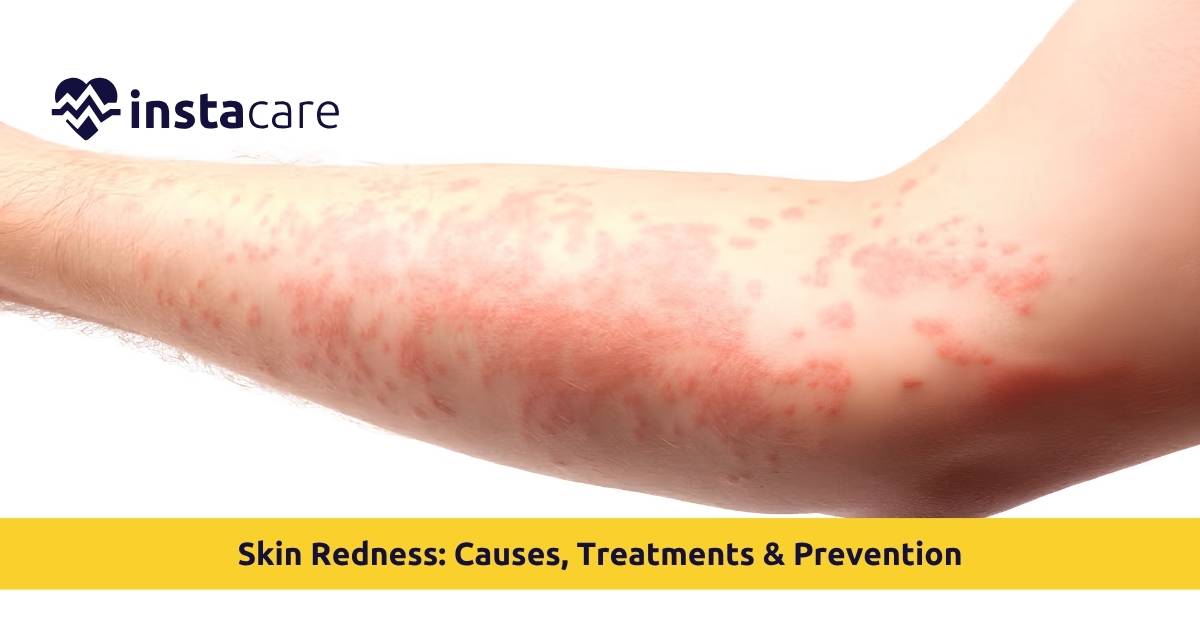
Skin redness is the redness of inflamed skin and might be due to irritation, injury or inflammation. It may take place on a part of the body and in many cases, it may be the symptom of some underlying problem i.e. allergic reaction, infection or even skin condition. When small blood vessels under the skin are dilated or inflamed, the redness can occur and all more blood can flow into the area.
This can cause the skin to be pink or red, swelling, warmness and irritation can be present as well. Most of the time, the redness of the skin is a natural reaction to some outside stimulus, like heat, friction or an allergen, yet it also can be the symptom of some other, more serious underlying development demanding medical interventions.
What is the Cause of Skin Redness?
Redness of the skin may be as a result of different factors. It can be the reaction of the body to some irritant or harm. The reason behind the disease is important in order to know the proper cure.
1. Allergic Reactions
One of the most frequent causes of skin redness is associated with allergic reactions. When the skin is exposed to an allergen like some foods, drugs, plants or skincare products, the immune system of a body releases histamine that can result in inflammation and redness. Common allergens include:
- Some clothes (e.g., wool)
- Chemicals or odours of lotions or soaps.
- Food products (e.g., nuts, shellfish)
- Pollen, or pet dander.
2. Skin Conditions
The condition of some skin conditions may result in redness. The most widespread ones are:
- Rosacea: This is an obstinate disease that results in reddishness, observable blood vessels, and pustules, typically on the face.
- Eczema: Eczema is also referred to as atopic dermatitis. Eczema is an adverse condition that leaves red spots on the skin that are itchy.
- Psoriasis: This is a skin disease that causes red, flaky sores, most often upon the head, elbows or knees.
- Contact Dermatitis This is a rash that is caused by direct contact with a substance or chemical that irritates it such as harsh chemicals.
- Fungal Infections: Yeast infections, including the candy auras, may result in rash, especially where those areas are prone to these circumstances, i.e., buttocks.
3. Sunburn
When there is too much exposure to the sun, an individual may get sunburn which makes the skin inflamed and reddish. Sunburn is the result of destruction of the skin cells due to the effects of ultraviolet (UV) radiation that provokes an inflammatory reaction in the organism. Swelling, blisters, and even pain normally accompany the redness of a sunburn.
4. Infections
Skin redness can also occur due to bacterial, fungal or viral infections. For example:
- Cellulitis: A type of infection of the skin caused by bacteria, resulting in redness, swelling and heat on the infected region.
- Fungal Infections: Athlete foot or ringworm may result in irritation and redness.
- Viral Infections: A red, weepy rash can be caused by viral infections on the skin like chickenpox or shingles.
5. Irritation from Products
Crude substances in skin care products, cosmetics or cleaning materials may irritate the skin causing redness and inflammations. Some of the ingredients like alcohol, artificial fragrances and preservatives may deprive the skin of its moisture and make it irritated. Even reactions may happen to these products even after repeated use particularly when there is sensitization of the skin with time.
6. Skin Sensitivity
There are those, who have sensitive skin that responds to external forces more readily, like environmental alterations, temperature or exposure to particular clothing. Individuals who have sensitive skin tend to get red easily, especially on the face, neck, and hands.
7. Heat and Sweating
Temporary redness can also result due to excess sweating and heat. This is mostly experienced during physical exercise, hot days or after taking a hot bath. Sweat has a tendency of clogging up pores, and this may irritate the skin causing it to turn red. Prickly heat or heat rash is a skin condition that takes place in instances where the sweats are trapped in the sweat ducts resulting in red and itchy bumps on the skin.
8. Stress
The skin has a direct effect on stress and anxiety where it turns red or the preexisting skin conditions are aggravated. Some of the hormones such as cortisol that are released due to stress may cause inflammation, production of more oil and make the skin irritated.
Symptoms Associated with Skin Redness
The degree of reddening of the skin can depend on the etiology. Symptoms that are typical of redness of the skin are:
- Itching: Itchiness frequently accompanies the redness, in allergic reactions or in certain diseases such as eczema.
- Swelling: The symptoms may include inflammation of the area so that the affected region is swollen.
- Burning or stinging: Redness of the skin as a result of sunburn or irritation or infection can lead to a burning or sting.
- Dryness/ peeling: When the skin is dry, like in the case of sunburn or eczema, it turns dry, cracking, or turns into scabs.
- Blisters or bumps: Sometimes blisters may also be raised, or there will be some redness that is surrounded by blisters or pustules.
In case of severe, prolonged or when it is accompanied with additional symptoms such as fever or shortness of breath, it is necessary to seek medical help.
🧪 Book Liver Function Test (LFT) at My Test Lab – Get 25% OFF
Treatment Options for Skin Redness
Skin redness can be treated depending on the cause of the condition. Some typical treatments include:
1. For Allergic Reactions
- Antihistamines: It can be treated with over-the-counter antihistamines that can give relief to the itching and inflammatory response associated with allergic reactions.
- Hydrocortisone cream: This is a weak corticosteroid cream that may be used to reduce redness and swelling.
- Avoid the allergen: The most useful thing to do is avoiding the substance which causes the allergic reaction.
2. For Skin Conditions (Eczema, Psoriasis, Rosacea)
- Topical corticosteroids: They may be used to decrease inflammatory and redness in diseases such as eczema, psoriasis, and rosacea.
- Moisturizers: Maintaining the skin’s moisture by applying fragrance free products can also help control eczema and psoriasis.
- Mild skincare: Tube with mild non- irritating soaps and not scrubbing the skin.
3. For Sunburn
- Aloe vera: Aloe vera gel will be a soothing agent that can be used to alleviate the inflammation and redness of the sunburn.
- Cold compresses: A cold compress put on the affected region can help alleviate pain and swelling.
- Hydration: Drink lots of water as a way of re-hydrating your skin and body.
4. For Infections
- Antibiotics or antifungal: In case of infection, the redness can be the result of an infection, so antibiotics (in case of bacterial infection) or antifungal cream (in case of fungal infection) can be prescribed.
- Antiviral agents: In the case of viral infections such as shingles, antiviral agents can be required to limit the severity of the symptoms.
5. To Skin Irritation and Sensitivity
- Avoid triggers: ENT Figure out what irritates the skin and avoid using those products and substances.
- Apply mild skin care products: use fragrance-free, hypoallergenic soaps, and moisturizers so as not to cause further irritation.
- Relaxing lotions: Lotions are available which have substances such as chamomile or calendula; these are useful in calming the sensitive skin.
Prevention of Skin Redness
Although not all factors that make the skin red are preventable, these are some of the measures that can help reduce and avoid the arising of skin redness:
- Keep your skin out of the sun: Wear sunscreen of at least 30, put on protective clothing and avoid being out in the sun during the daytime.
- Maintain good skincare: Follow a gentle skincare routine with mild products that are suited for your skin type.
- Keep your skin wet: by using a moisturizer, your skin is unlikely to become dry and swollen causing redness.
- Stay hydrated: The amount of water an individual will drink will keep the skin healthy and avoid skin dehydration.
- Avoid irritants that are known: if you are horribly sensitive avoid anything that has artificial smells, alcohol, or strong chemicals.
- Wear breathable clothes: You are looking at breathable clothes, so that during hot or humid weather, the fabrics should be breathable, to minimize skin sweating and irritation.
When to See a Doctor?
Although home treatments can usually control the redness of the skin, visit a health practitioner when:
- The redness does not disappear or gets worse with treatment.
- You have severe pain, swelling or blistering.
- Infection (pus, or other signs).
- You acquire a fever, headache or other systemic symptoms.
A healthcare giver can also identify what causes the redness and prescribe the best medicine.
Conclusion
A redness of the skin is a widespread phenomenon, which may be provoked by either allergic reaction and dermatological conditions or even sunburn and stress. With the right treatment and prevention strategies and being aware of the underlying factors, it is possible to control and decrease the skin redness. In case the disease continues or turns acute, professional medical consultation is necessary to conduct an adequate diagnosis and treatment.
Please book an appointment with the best Dermatologist in Lahore, Karachi, Islamabad, and all major cities of Pakistan through InstaCare, or call our helpline at 03171777509 to find a verified doctor for your disease.