What is a Sour Stomach?
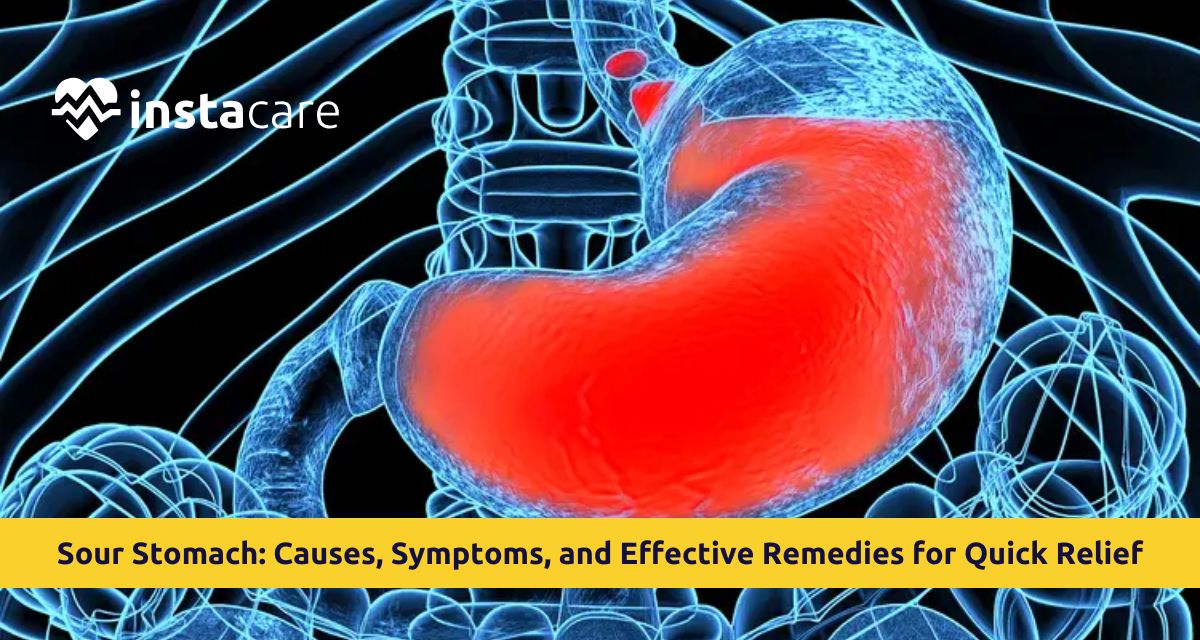
Upset stomach or acid indigestion or sour stomach is a sickening syndrome of feelings in the upper part of the abdomen. The gastrointestinal tract stomach's pain is usually fullness, burning, bloating, and overall discomfort in the stomach. "Sour" is the nauseating taste of acid caused by overproduction of the stomach acid or faulty digestion.
In contrast to other more life-threatening gastrointestinal ailments, sour stomach is quite transitory and easily curable with straightforward remedies. Persistent recurrence, however, indicates interior gastrointestinal issues warranting the services of physicians.
Common Causes of Sour Stomach
One needs to know what is causing the sour stomach so that one can get relief and prevented. Overeating is actually the most common offender as consuming more food puts your digestive system under load and leads to excess acid and inflammation.
- Fatty and greasy foods take a long time to digest, and hence the food will stay in your stomach for longer. The extra time gives your stomach the opportunity to release more acid, which creates the sour feeling. Chili, citrus fruits, and tomato-based foods also irritate the lining of the stomach as well as lead to acid indigestion.
- Both stress and anxiety make wonderful predictors of gastrointestinal health. Your body will release excess stomach acid when under stress but retard digestion as well, and the levels in the stomach are such that digestive discomfort solutions will be the need of the hour.
- Some medications like nonsteroidal anti-inflammatory drugs (NSAIDs), antibiotics, and iron supplements induce inflammation of the stomach lining. Cigarettes and alcoholic beverages are some other causes of sour stomach by stimulating acid and also by reducing the lower esophageal sphincter.
- Some other causes are eating fast, coming into a lying down position soon after eating food, pregnancy, and illnesses like stomach acid reflux or gastroesophageal reflux disease (GERD).
Signs and Symptoms
Finding sour stomach symptoms enables you to treat the condition at once. The most common symptoms are burning discomforts in your upper abdomen and the sour or bitter mouth feeling which accompany them. Fullness and bloatedness also come to affect most after eating small quantities of food.
Sour stomach and nausea always go hand in hand, sometimes prolonged to vomiting on very severe attacks. Other hiccup, belching, or a sense of food rushing upward into the throat is possible. Gnawing or sore pain in the stomach is a complaint of some patients, but others complain of midepigastric abdominal pain that cannot be localized.
Other symptoms include loss of appetite, gas passed in a watery manner, and indigestion sensation persisting for several hours after eating.
Home Remedies and Natural Relief
Natural remedies for sour stomach has been offering cure for sour stomach for thousands of years in some cases. Ginger is an excellent stomach friend that is preventive against nausea and calms stomach irritation. You can drink it as tea, chew raw pieces of ginger, or use ginger supplements.
Chamomile tea has a sedative action on the gastro-intestinal tract and prevents acid production and inflammation. Its sedative action also relieves stress-induced gastro-intestinal discomfort. The action of peppermint is the same but gastric acid reflux patients need to exercise caution as it causes relaxation of the lower esophageal sphincter.
Baking soda is an antacid—whirl a half teaspoon in water to soothe at once. Apple cider vinegar, although acid, will equalize stomach pH when taken with water (one tablespoon to glass).
Good pure water swallowed in adequate amounts dilutes stomach acid and initiates digestion. Lemon water at body temperature will excite the digestive enzymes, though perhaps not what all victims of acid sensitivity can tolerate.
Medical Treatments and When to See a Doctor
Medication is the management of sour stomach treatment for long-standing symptoms. Antacids for sour stomach cause rapid relief in the neutralization of stomach acid. They are taken over-the-counter by the names calcium carbonate, magnesium hydroxide, and aluminum hydroxide medications.
H2 blockers such as famotidine suppress acid for long-standing relief, and proton pump inhibitors (PPIs) suppress acid even more for long-standing disease.
If pain is bad or persists for longer than a week, vomiting blood, black tarry stools, weight loss, difficulty swallowing, or longer than two weeks with symptoms. They could be a sign something is serious and will need to be evaluated by a physician.
Preventive Tips for a Healthy Digestive System
Learning how to prevent sour stomach is just a matter of healthy eating habit. Have small, frequent meals rather than three enormous meals. This prevents overloading the digestive system and maintains acid levels stable.
Identify and avoid foods that cause sour stomach in you—usual culprits are spicy food, fried food, chocolate, caffeine, and carbonated beverages. Keep a food diary to determine what causes you.
Eat slowly and intentionally, giving your body time to register that it is full and start digesting. Avoid lying down for two or three hours after meals, and sleep with your head raised if nighttime symptoms are the problem.
Lifestyle Adjustments for Long-Term Relief
Statistics between sour stomach vs acid reflux provide the scope for your plan to be even better defined. They are analogous but with increased accuracy, acid reflux is the regurgitation of stomach content into the esophagus, while sour stomach is site-specific in the stomach.
Keep an ideal weight because obesity puts extra pressure on the abdominal cavity and worsens acid reflux. Relieve stress through meditation, yoga, slow deep breathing, or ordinary physical exercise. Exercise stimulates digestive processes but not strenuous exercise after meals.
Abstain from smoking and reduce alcohol intake in order to preserve your stomach lining. Dress in loose garments that do not tighten your abdomen, and pay attention to your drug-taking times—take potentially irritating medications with food if possible. Achieving sour stomach relief requires consistent lifestyle modifications.
Conclusion
A sour stomach, as unpleasant as it tastes, can be largely managed by food adjustment, life style modification, and appropriate therapy. With an understanding of your own provocatives, adherence to preventive guidelines, and being watchful for when to visit a physician, you can safely remove digestive discomfort and optimize digestive wellness. Exercise caution that persistent symptoms warrant professional evaluation to exclude associated conditions necessitating specialty care.
Please book an appointment with the best Gastroenterologist in Lahore, Karachi, Islamabad, and all major cities of Pakistan through InstaCare, or call our helpline at 03171777509 to find the verified doctor for your disease.